
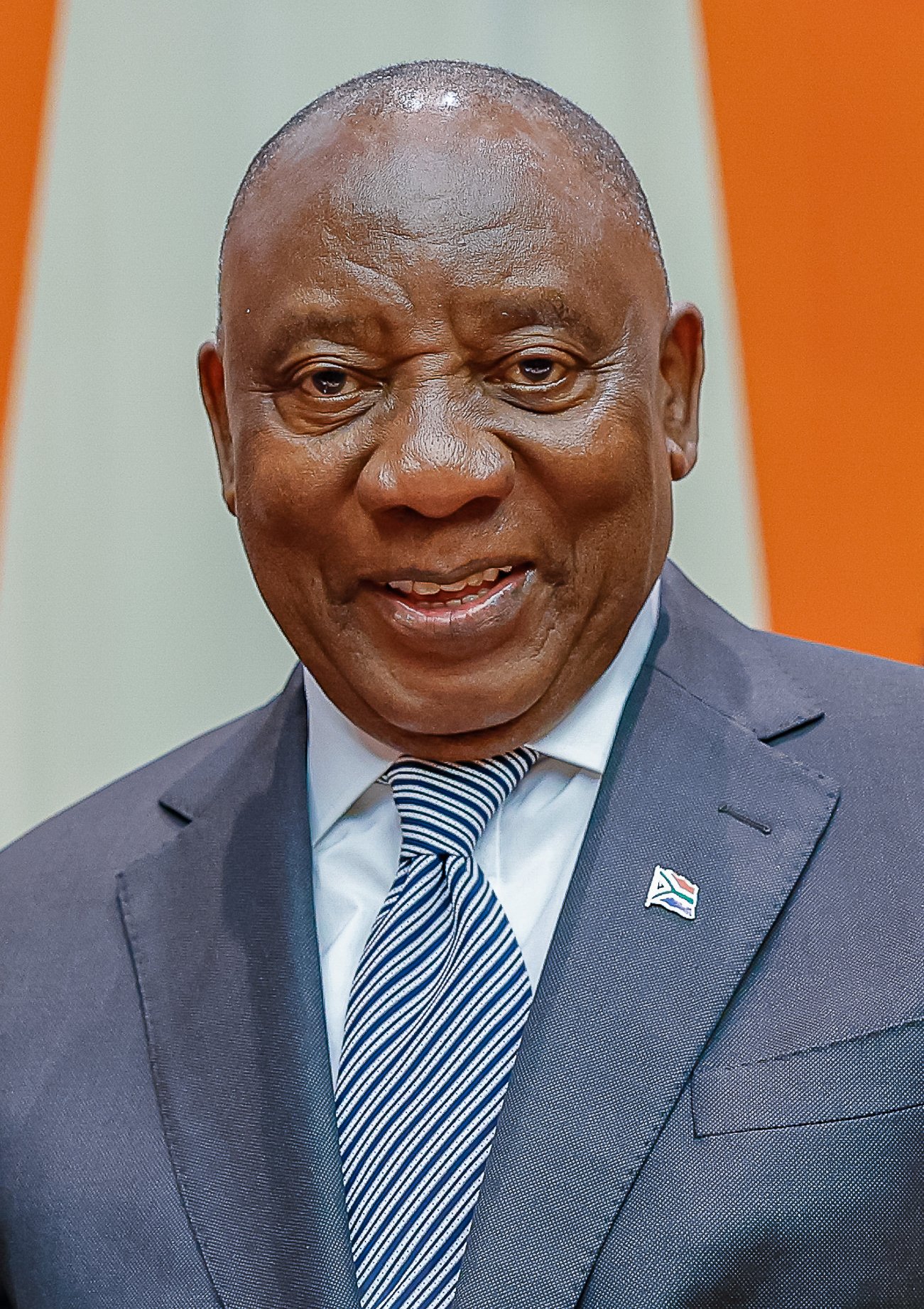
Photo: Ricardo Stuckert / Wikimedia Commons, CC BY-SA 2.0
President Cyril Ramaphosa has joined African leaders in El-Alamein, Egypt, for the African Union’s eighth Mid-Year Coordination Meeting, representing the Southern African Development Community.
SADC at the continental table
Ramaphosa participated in the 4 October meeting in his capacity as chairperson of SADC, according to South Africa’s government news service and the African Union. The gathering brought together AU leaders, regional economic communities, regional mechanisms, AU institutions and development partners.
DGBN has also reported on Afreximbank says Harare trade centre is 80% complete.
Original source: Original source.
The meeting is designed to align the work of continental and regional bodies behind Agenda 2063, the AU’s long-term blueprint for African integration and development. It is also a forum for leaders to assess whether responsibilities are being effectively shared between the AU, member states and regional blocs.
For SADC, Ramaphosa’s attendance puts southern Africa’s priorities directly into discussions that can shape continental policy on trade, infrastructure, security and institutional reform.
Trade and infrastructure in focus
The agenda included progress on the African Continental Free Trade Area, a flagship project intended to expand intra-African commerce by reducing barriers between national markets. Leaders were also due to consider regional and continental infrastructure priorities, including water and sanitation.
For more context, read DGBN’s coverage of Southern Africa: SADC Outlook Favours Drier Conditions Across Much of Southern Africa During the 2026/27 Rainy Season.
The AU says the mid-year forum is its principal platform for coordinating implementation of the continental integration agenda with regional blocs. That matters because many cross-border projects — from transport corridors to energy links and trade rules — require common decisions at both regional and continental level.
The meeting also reviewed the contribution of the African Union Development Agency-NEPAD to accelerating integration. Egypt hosted associated business events from 2 to 4 October, alongside the leaders’ gathering.
Peace and institutional coordination
Leaders were expected to discuss efforts to prevent and respond to conflict, including strengthening the AU’s early-warning capacity. These conversations come as several African regions confront armed conflict, political instability and humanitarian pressures that can disrupt trade, movement and development.
On the sidelines of the meeting, AU Commission chairperson Mahmoud Ali Youssouf held talks with Ramaphosa on regional integration and other priorities. The AU said Youssouf thanked the South African president for supporting the Commission’s digitalisation programme, which it says will help preserve and widen access to the continent’s institutional record.
Why it matters
For Black communities across Africa and the diaspora, the meeting concerns whether African institutions can turn declarations into practical improvements: easier trade for African businesses, stronger regional infrastructure, more coordinated responses to conflict and institutions capable of delivering Agenda 2063.
Related DGBN reporting includes Mahama tells Africa: treat health as an investment, not charity.
Ramaphosa’s role as SADC chair gives South Africa added responsibility to press for southern African interests while supporting continent-wide solutions. The value of the summit will ultimately be measured by implementation after leaders leave El-Alamein.