
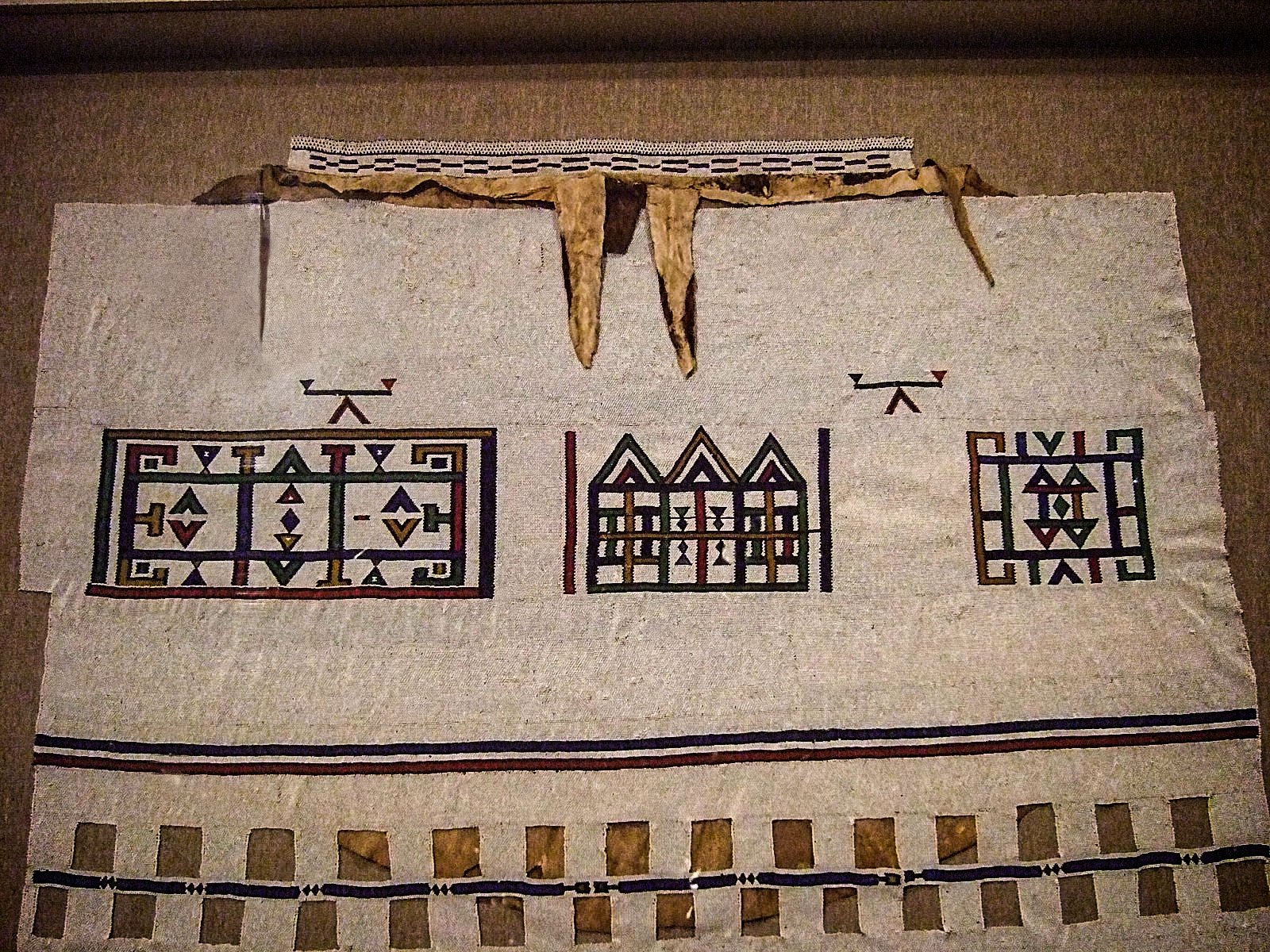
Photo: Mary Harrsch / Wikimedia Commons, CC BY-SA 4.0
Dumfries Museum has opened an exhibition examining the colonial-era routes through which African objects entered its collection, bringing Black history and questions of provenance into a Scottish regional setting.
Looking back to recover what was lost
Sankofa: Objects from Africa opened on 1 October and runs until 1 April 2027 at Dumfries Museum. Its title draws on the Akan concept of Sankofa, commonly understood as returning to retrieve what has been forgotten.
DGBN has also reported on Dangote breaks ground on $16bn East Africa refinery in Kenya.
The exhibition asks who collected the objects, when they did so and why. It also considers what those journeys reveal about colonial history and its continuing legacies.
Visitors will see ceremonial paddles from Nigeria, beadwork, a headrest described by the museum as Ashante, a Yoruba cowhide fan and a Zulu shield used in wedding dance. The museum says the display is not intended as a comprehensive account of Africa’s many cultures; rather, it confronts the particular collection that survives in Dumfries.
A collection shaped by transfers and private holdings
A National Museums Scotland review identifies 68 African objects and four Caribbean objects in Dumfries Museum’s holdings. It says much of the African material was acquired after 1948 through transfers from institutions including the Royal Scottish Museum, Langholm Museum, Stranraer Museum and Dr T. B. Grierson’s museum in Thornhill, as well as through local house sales.
For more context, read DGBN’s coverage of King Oyo Nyimba Kabamba Iguru Rukidi IV.
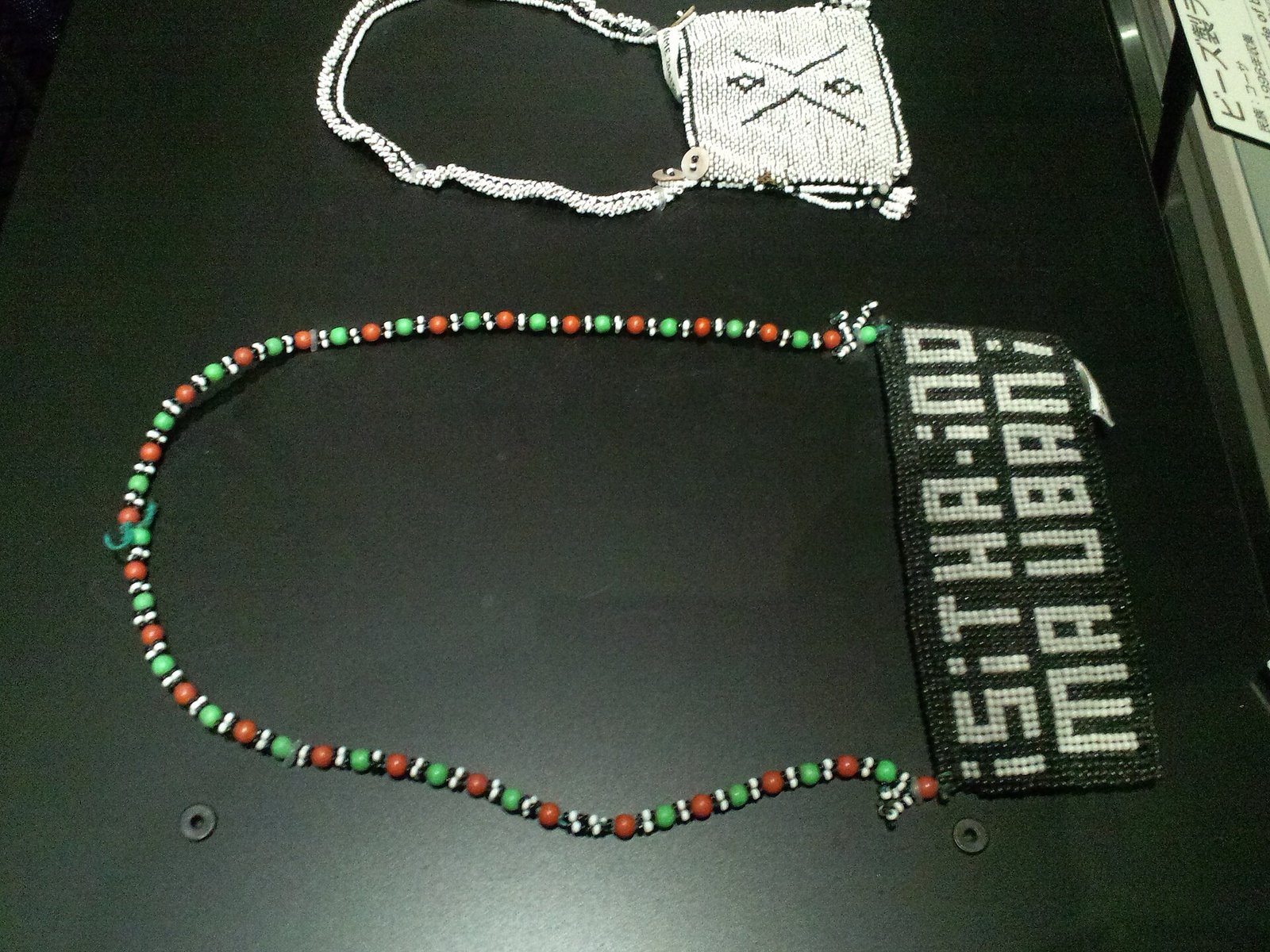
The review makes clear why this work matters. Objects can acquire fragmented or missing histories as they move between private owners, military-linked families, auction rooms and museums. Reconnecting them with older labels, accession registers and donor records can help establish where they were made, by whom and under what circumstances they left their original communities.
Some provenance remains tentative. The review says a cowhide fan from the Niger region was recorded at National Museums Scotland as coming from the “Astley collection”, which may refer to Harriet Astley, daughter of a Liverpool ship captain involved in the transatlantic trade in enslaved Africans. That possible connection requires further research.
Black lives in Scotland’s local history
The exhibition also includes a film on Dr William Fergusson, a man of African origin who studied at Dumfries Infirmary before pursuing a medical career in Sierra Leone. National Museums Scotland identifies him as the first person of African descent to graduate from the University of Edinburgh, in 1813; he later served as a colonial surgeon and was appointed governor of Sierra Leone.
His story broadens the exhibition beyond objects. It places Black presence, achievement and movement within Scottish history itself, challenging the idea that such histories belong only to major cities or overseas former colonies.
Why it matters
For Black audiences, Sankofa is significant because it treats museum holdings not as detached curiosities but as evidence of entangled African, Caribbean and British histories. It also shifts attention from London and Edinburgh to the regional institutions where colonial connections can be overlooked.
Related DGBN reporting includes 10 subjects we think Jamaican schools must add.
The exhibition does not resolve every question around ownership or provenance. But by making uncertainty visible, and by naming the structures that brought these objects to Scotland, it offers a more honest starting point for public conversation about African heritage in British museums.