
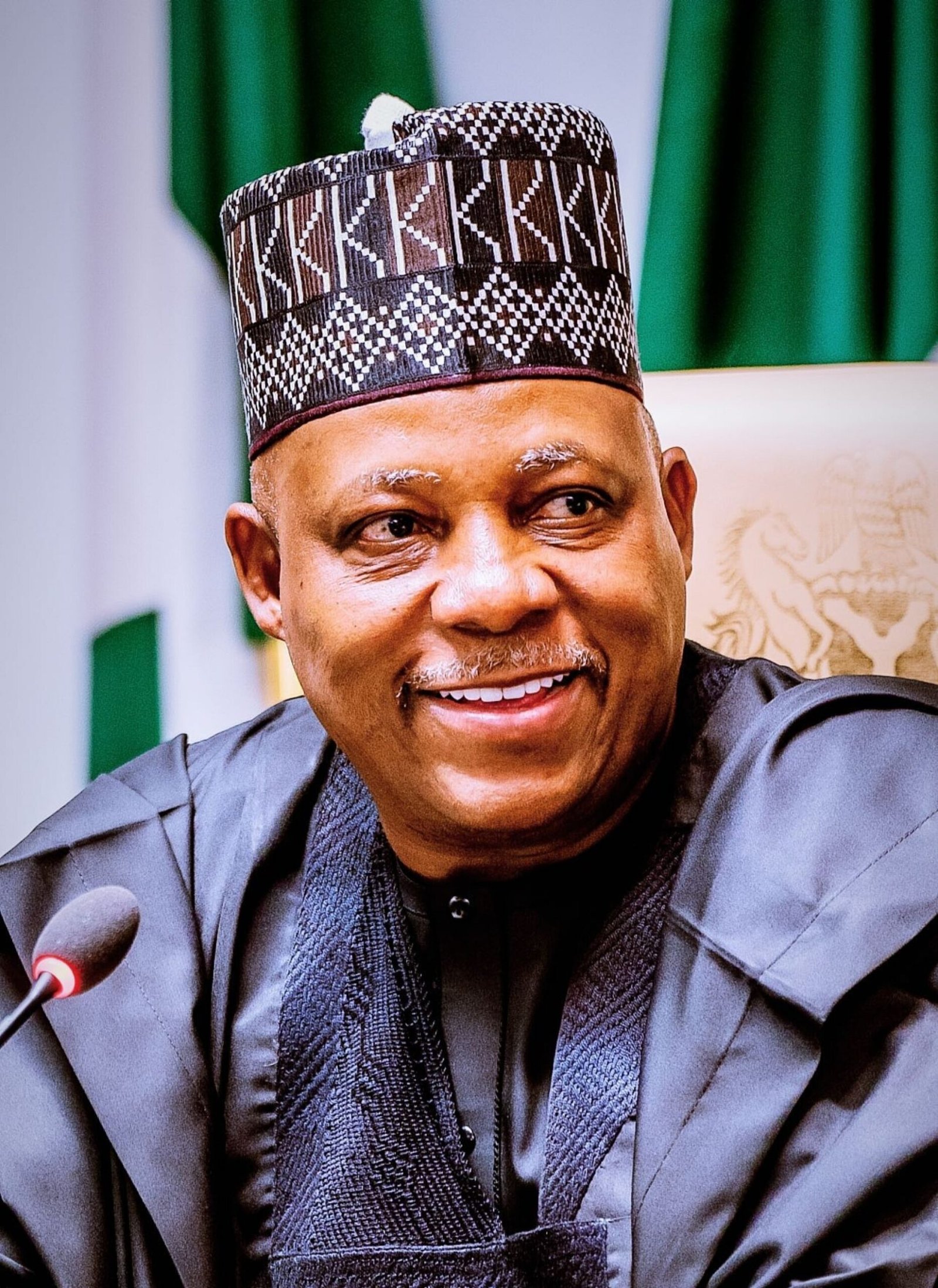
Photo: Opeyemi Adelani / Wikimedia Commons, CC BY-SA 4.0
Africa’s young population can become a decisive economic strength, but only if governments and investors convert talent into secure jobs, ownership and export power.
A workforce argument rooted in demographics
Nigeria’s Vice-President Kashim Shettima has said Africa is positioned to become a major supplier of talent and labour to the global economy as ageing populations and skills shortages deepen elsewhere.
DGBN has also reported on Tinubu Launches 2027 Campaign Council, Tells APC Chiefs: Deliver Your Polling Units.
Speaking at the opening of the 2026 Creative Africa Nexus Weekend (CANEX WKND) in Lagos, Shettima said the continent’s expanding cohort of young and digitally skilled people could help meet international demand while creating trade, investment and employment opportunities at home.
The event, organised by the African Export-Import Bank (Afreximbank) and hosted by Nigeria’s federal government, ran from 5 to 8 November under the theme, “One People, United in Culture, Creating for the World”.
Shettima’s central point was not simply that Africa has a large youth population. He argued that education, market access and skills development are the conditions that would turn this demographic reality into a genuine economic advantage.
Culture is being treated as trade
The vice-president used the Lagos gathering to press for a more commercial approach to African creativity, urging artists, entrepreneurs and policymakers to pursue contracts, investment, distribution partnerships and export markets.
He said the continent must move beyond global applause for African music, film, fashion, literature and food towards retaining more of the revenue generated by those industries.
For more context, read DGBN’s coverage of Shettima: Tinubu was briefed “almost every other day” during four weeks abroad.
That message matters across Black communities worldwide. African cultural influence is increasingly visible in popular culture, but rights, distribution networks, marketing platforms and ownership of catalogues often remain outside African hands. Greater control over those parts of the value chain could mean more income and durable businesses for creators on the continent and in the diaspora.
Afreximbank targets new deals
Afreximbank President George Elombi said the bank was targeting more than $540 million in creative-industry transactions during the four-day event. He urged governments to safeguard cultural-sector budgets and called on financial institutions to recognise intellectual property as an asset that can support lending.
Afreximbank’s 2024 annual report said its CANEX Deal Room in Algiers generated more than $540 million in deals across sectors including film, music, fashion and sport. The bank has also announced a $2 billion commitment to Africa’s creative industries through 2027.
Shettima said Nigeria was working to strengthen intellectual-property protection and improve financing opportunities, while connecting creative businesses to opportunities under the African Continental Free Trade Area.
The test is whether value stays in Africa
The workforce vision will be tested by whether African countries create well-paid work locally rather than only supplying labour and raw creative output to wealthier markets.
For Black readers, the story is about who owns the future built from African talent. A youthful population can be a powerful asset, but only where education, digital access, fair finance, worker protections and intellectual-property rights allow people to convert skill into lasting wealth.
Related DGBN reporting includes U.S. Mission highlights Chinasa Okolo’s role in shaping Africa’s AI future.
Nigeria is also set to host the fifth Intra-African Trade Fair in Lagos from 5 to 11 November 2027, an event Afreximbank says will include a CANEX platform for the creative economy.