
Nairobi Senator Edwin Sifuna has stepped up his demand that Kenya publish its agreement with the Dangote Group over the planned $16 billion Lamu oil refinery, insisting that public access to the deal is a constitutional right rather than a favour.
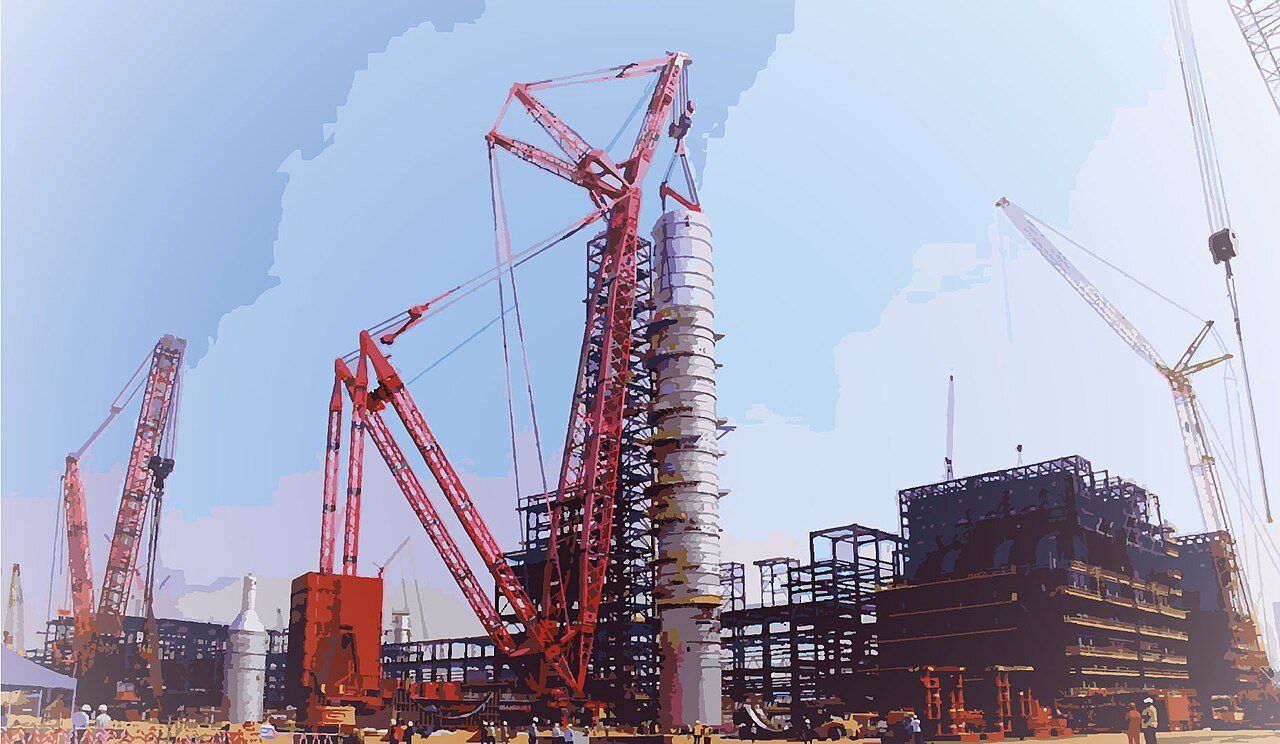
Main photo: Dangote’s existing refinery at Lekki, Nigeria. FrankvEck / Wikimedia Commons, CC BY-SA 4.0
In a statement posted on X on Friday 2 October, the opposition senator cited Article 35 of Kenya’s Constitution, which guarantees every citizen access to information held by the state and requires government to publicise important information affecting the nation. Disclosure, he argued, cannot depend on the discretion of a single individual.
His intervention came a day after President William Ruto challenged critics of the project to use parliamentary procedures if they wanted to see the agreement, according to Kenya’s People Daily.
A deal Parliament has not seen
Sifuna had earlier told the Senate that no member of Parliament had seen the refinery agreement or knew what commitments Kenya had made to secure the investment. He said he was not opposed to development, but that a project of this scale had to respect constitutional values and involve the communities it affects.
He also took aim at Aliko Dangote, Africa’s richest man, after the Nigerian industrialist reportedly said he would confront those obstructing the project and was ready to face legal challenges. Sifuna responded that anyone wishing to invest in Kenya must respect the country’s values and constitutional processes.
People Daily reported that some Lamu residents have gone to court over aspects of the development, raising concerns about possible evictions and displacement.
The President’s position
President Ruto has framed the refinery as a strategic investment for the whole region. At the groundbreaking in Lamu County on Thursday 1 October, he described it as being about energy security, industrialisation and regional integration, rather than simply a refinery. His position is that Parliament already has formal channels to request the agreement.
As DGBN reported on the groundbreaking, the facility is designed to process 700,000 barrels of crude a day, with a 40-month construction timeline and up to 60,000 direct and indirect jobs promised. Leaders from Uganda, Ethiopia, Togo and Benin attended the ceremony.
Why it matters
The Lamu refinery is one of the most ambitious pan-African industrial projects of the decade: Nigerian capital building fuel independence for East Africa. That makes the terms of the deal a question for more than Kenya alone.
Across the continent, large infrastructure agreements have too often been signed behind closed doors, leaving citizens to discover the costs later. Whether Kenya opens this contract to public scrutiny will be watched closely by investors, lawmakers and communities from Lagos to Lamu, and may set the tone for how African mega-projects balance speed with accountability.