
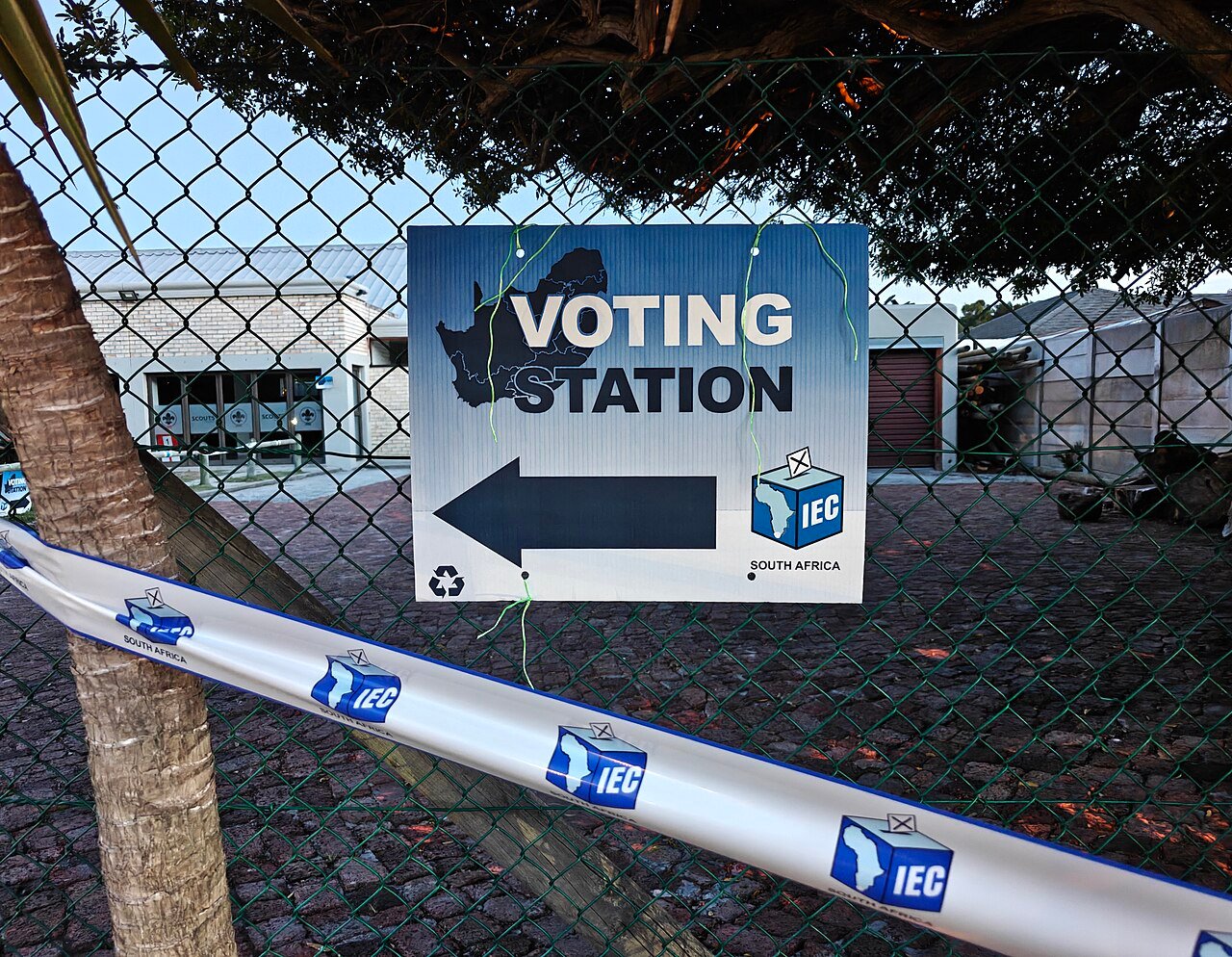
Photo: Husskeyy / Wikimedia Commons, CC BY-SA 4.0
South Africa’s municipal election on Wednesday, 4 November, will test not only parties’ support at the ballot box but also the public’s confidence that political power cannot be bought.
A timely warning before voting
An opinion article published by IOL on 2 November argues that South Africans must look beyond campaign promises and ask who finances political parties, who benefits from office and whether economic desperation is making public positions appear to be a route to private security.
DGBN has also reported on Visa rules deter 52% of African travellers from visiting destinations, IATA survey finds.
The intervention comes as voters prepare to elect municipal councillors across the country. These councils shape the services most immediately felt by communities: water, sanitation, electricity, refuse removal, roads and local planning. For Black communities that have borne the sharpest burden of unequal service delivery, the integrity of local government is therefore not an abstract constitutional issue.
The Presidency has urged voters to use the public holiday on 4 November to vote, describing municipal services as foundations for both dignity and economic participation. It says 546 parties and almost 137,000 candidates are contesting the election.
What the law requires
South Africa’s Political Funding Act, in force since April 2021, created disclosure requirements for party, independent candidate and independent representative funding. The Electoral Commission oversees the system and can investigate complaints.
Current Electoral Commission guidance says donors must disclose contributions that exceed R100,000 in a year within 30 days, while parties and candidates have reporting obligations of their own. The framework also bars certain funding, including donations from foreign governments, state institutions and state-owned enterprises.
For more context, read DGBN’s coverage of US FDA clears $40-a-year generic HIV prevention jab for 120 countries.
Such rules matter because voters cannot properly judge a party’s independence if major financial backing remains hidden. Transparency does not make political donations improper by itself. It allows citizens, journalists and watchdogs to scrutinise whether money may be linked to policy influence, access to tenders or preferential treatment.
Compliance remains a live concern
The question is not merely theoretical. The Electoral Court said in an August ruling involving the Electoral Commission and GOOD that failures to meet funding-disclosure duties could undermine the objectives of the law and endanger constitutional democracy.
Recent Electoral Commission reporting has also highlighted the scale of private donations in South African politics. SABC reported in August that parties had declared R116.8 million in donations for the first quarter of the 2026-27 financial year, while the Commission flagged submissions involving ANC donations as not meeting disclosure requirements. That is a compliance issue, not proof of wrongdoing, and the Commission’s processes are intended to determine whether corrective action is required.
Why it matters after polling day
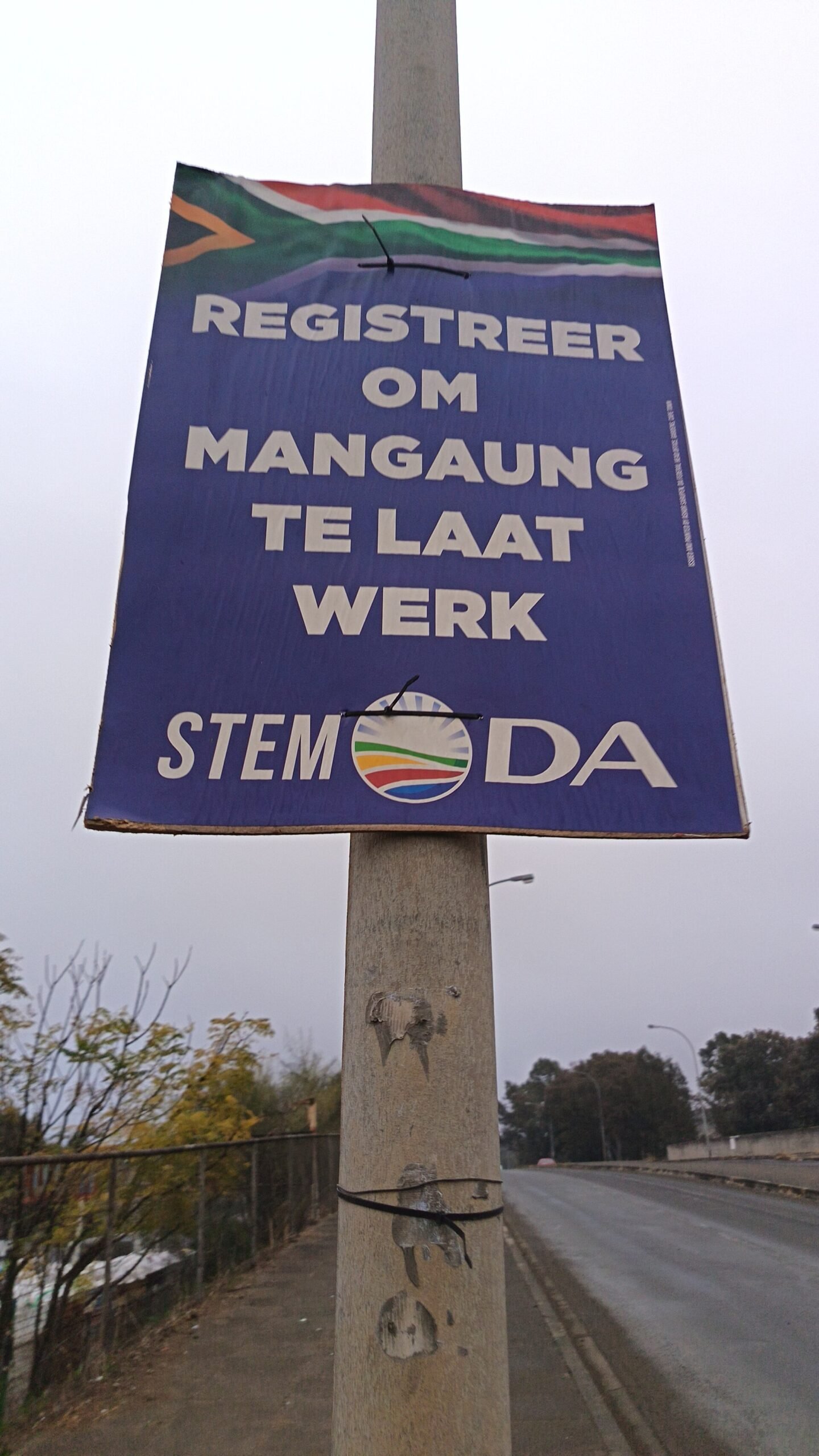
The immediate task is for voters to cast informed votes on Wednesday. But the longer task is to insist that councillors, parties, donors and regulators remain accountable long after campaign posters come down.
South Africa’s democracy was built through mass struggle, not private wealth. Protecting that legacy means enforcing disclosure laws consistently, publishing funding information clearly and ensuring that political office serves communities rather than financiers.
Related DGBN reporting includes Nigeria’s National Assembly proposes 74 new seats reserved for women.
For wider context, see Ivory Coast 0-1 Cameroon: Nsongo wins it for the Indomitable Lions on Diajem Sports Network.
For voters in townships, rural areas and working-class suburbs, that principle is inseparable from the daily demand for reliable services, decent work and public institutions that answer to the people.