

The president of Ghana's primary journalists' association has issued a stark warning to the country's media sector: as newsrooms increasingly adopt artificial intelligence and other digital tools, the profession risks abandoning the very principles that give it credibility with the public.
Albert Kwabena Dwumfour, president of the Ghana Journalists Association, delivered his message during the organization's 77th anniversary symposium this week, cautioning that technology must remain subservient to journalism's core values rather than supplanting them. The warning reflects growing concerns across the global media industry about how rapidly evolving tools are reshaping the profession at a time when public trust in news organizations is already fragile.
The technological transformation of journalism has been dramatic and multifaceted. Social media platforms, mobile reporting capabilities, data-driven storytelling and artificial intelligence have fundamentally altered how journalists gather information, craft narratives and reach audiences. These tools have undoubtedly created new possibilities for newsrooms, expanding their capacity to investigate stories and engage readers. Yet this same technological revolution has introduced vulnerabilities that threaten journalism's foundational credibility.
According to Dwumfour, artificial intelligence offers genuine utility for routine journalistic tasks. The technology can streamline research processes, convert recorded interviews into written text, translate content across languages, analyze large datasets and monitor information flows. These applications, when properly employed, could free journalists to focus on more substantive work requiring human insight and ethical discernment.
However, these same technologies have opened doors to dangers that undermine public confidence in news institutions. Misinformation spreads more efficiently than ever before, fabricated content can be produced at scale, deepfakes can convincingly present false scenarios, and synthetic audio and images blur the line between reality and fabrication. As these tools proliferate, the public's ability to distinguish trustworthy reporting from deception becomes increasingly difficult.
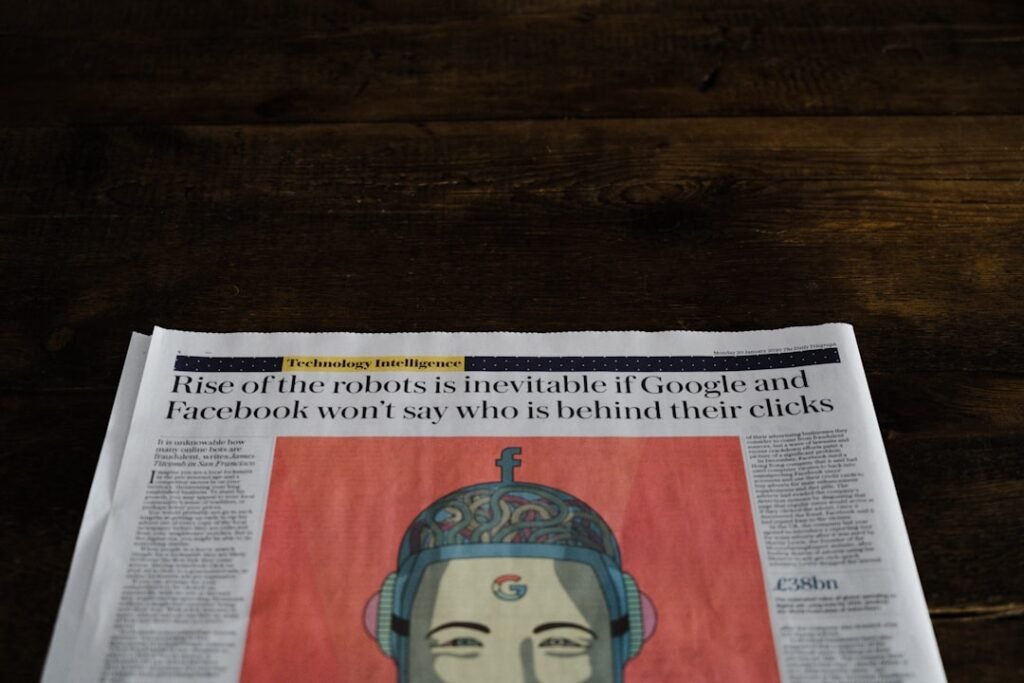
Dwumfour emphasized that despite technology's capabilities, the human journalist remains irreplaceable at journalism's center. The qualities that define the profession—curiosity, critical judgment, courage to challenge powerful interests and conscience to serve the public interest—cannot be automated. Journalists must retain the capacity to ask follow-up questions that reveal hidden truths, independently verify claims and documents, solicit responses from all relevant parties and identify inconsistencies that algorithms might miss.
The GJA leader also highlighted a dimension of the digital transformation that receives less attention than technological innovation itself: the economic dimensions of the digital environment. Media organizations and journalists must understand how digital platforms operate, how audience behavior is evolving and what these changes mean for financial sustainability. Without this understanding, external actors will increasingly shape the profession's future rather than journalists themselves.
To address these challenges, Dwumfour announced that the GJA would prioritize training in digital journalism practices, fact-checking methodologies and data analysis, as well as responsible artificial intelligence use. The association will also encourage media organizations to establish comprehensive editorial policies governing AI deployment that address transparency, verification requirements, human oversight mechanisms, protection of confidential sources and intellectual property considerations.
The message to Ghana's journalists is ultimately one of balanced adaptation. Embracing emerging technologies is not optional in a rapidly evolving information landscape, but neither is maintaining the professional and ethical standards that distinguish legitimate journalism from mere content production. The future belongs to journalists who master these tools while preserving the human judgment that machines cannot replicate.
Source: MyJoyOnline | Published: Wed, 19 Aug 2026 16:28:11
Leave a Reply