
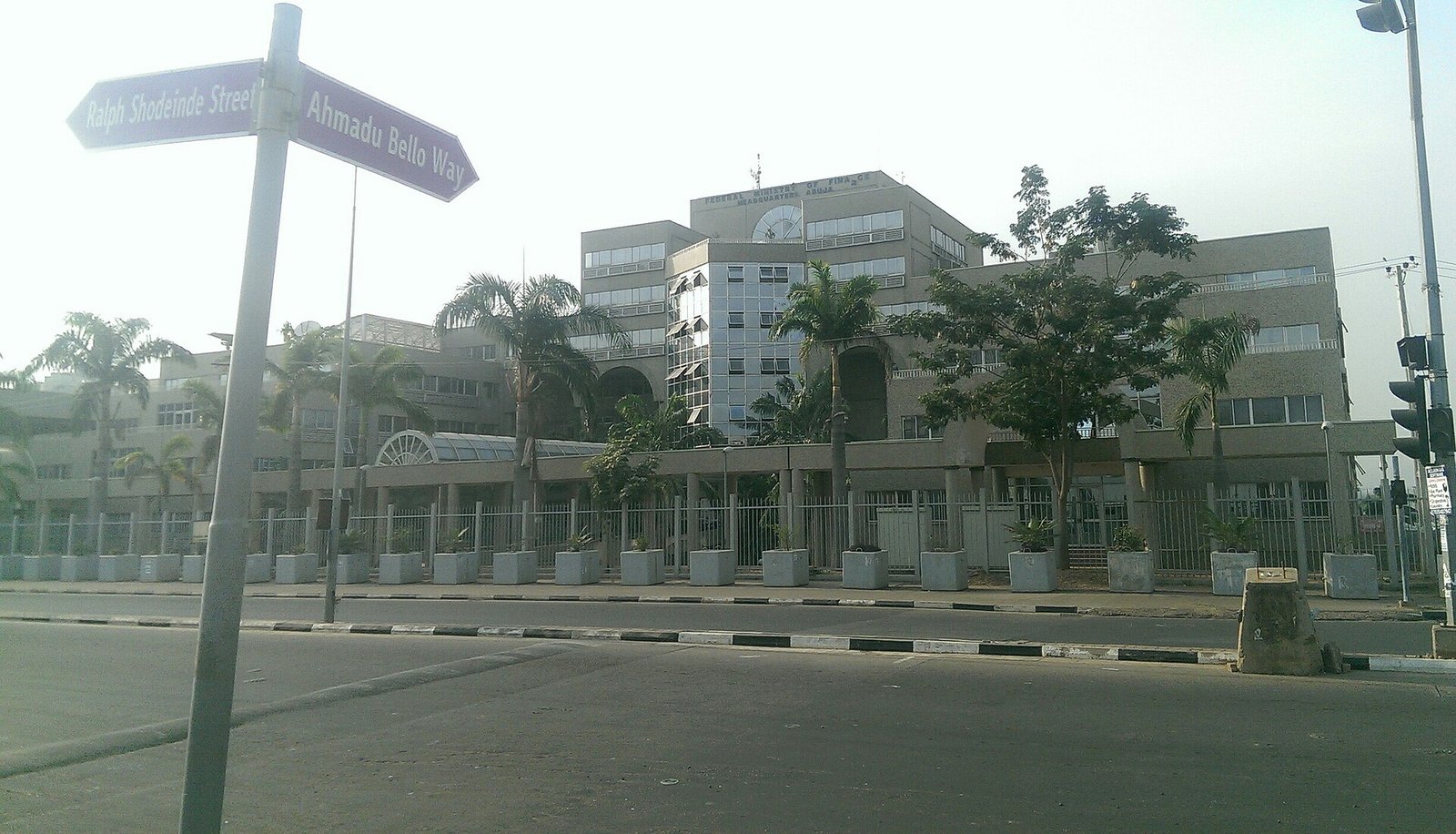
Photo: Naziftm / Wikimedia Commons, CC BY-SA 4.0
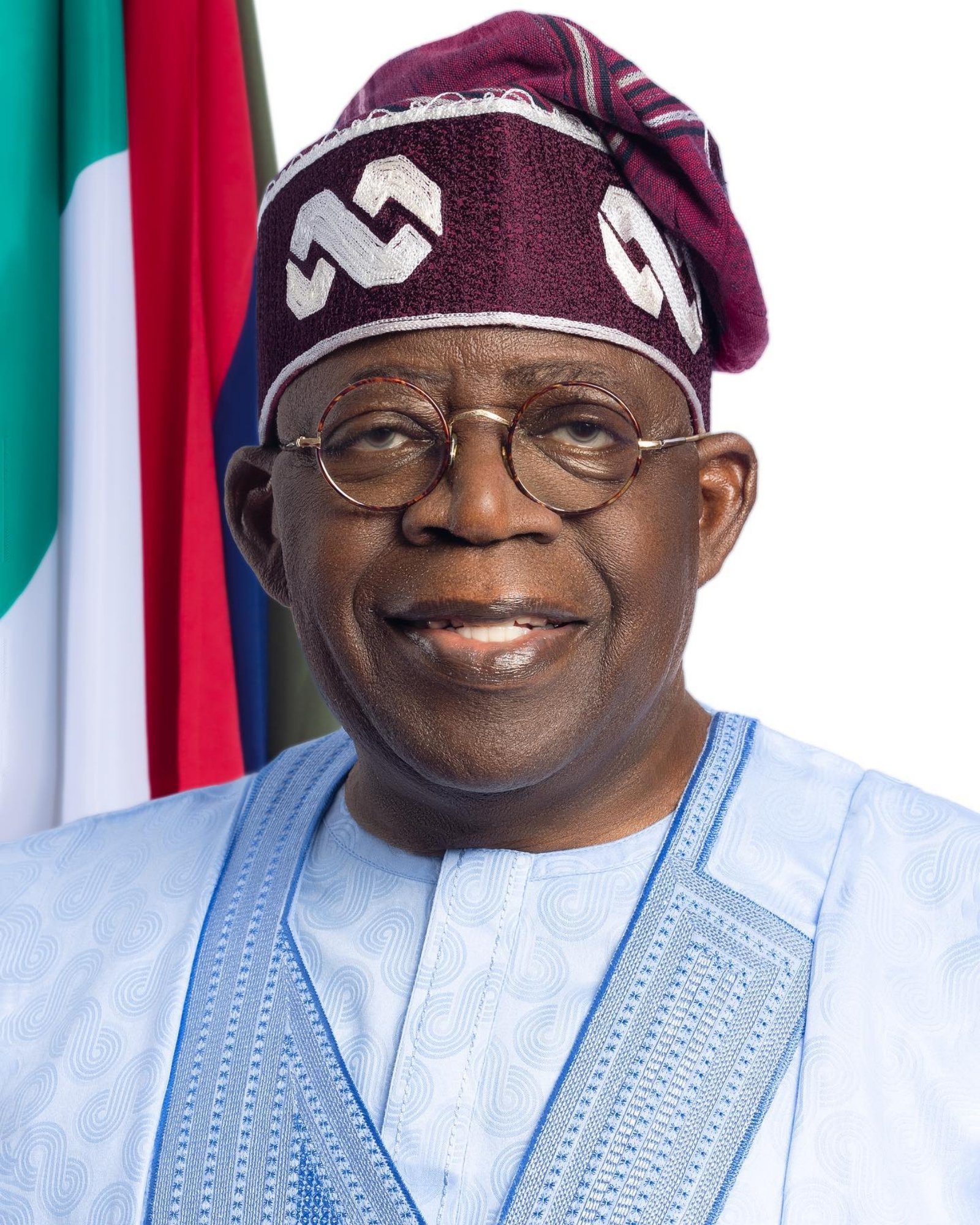
President Bola Tinubu’s request to raise about $21.7 billion in external financing has renewed scrutiny of how Nigeria borrows, spends and proves value for its people.
What the President is seeking
Tinubu has asked the National Assembly to approve the 2026–2027 Supplementary External Borrowing Plan, comprising $20.52 billion and €1.045 billion. The request was formally presented to lawmakers on 27 October and has been referred for legislative scrutiny.
DGBN has also reported on Yahaya Bello pledges two-week Kano push for Tinubu’s 2027 campaign.
The administration says the funding would target infrastructure and development programmes, including power, transport, agriculture, healthcare, education, water supply, security, job creation and public-finance reforms.
The request is not yet new debt on Nigeria’s books. Parliament must approve it, financing agreements must be concluded and funds must be drawn before any facility becomes an outstanding obligation. That distinction is important amid headlines treating the entire package as money already borrowed.
Government says loans will fund productive investment
Finance Minister Taiwo Oyedele has defended the proposal as investment rather than a debt burden. He said the government intends to deploy the financing towards projects capable of expanding economic activity, improving public services and closing Nigeria’s large infrastructure gap.
The government’s case is straightforward: Africa’s most populous country needs substantial capital for reliable electricity, roads, logistics, food production, hospitals and skills. If loans are concessional, well-targeted and transparently managed, they can help unlock growth that exceeds the cost of repayment.
For more context, read DGBN’s coverage of Obasanjo says Nigeria’s debt burden is ‘worse than leprosy’.
Why the plan is under pressure
Nigeria’s Debt Management Office reported total public debt of ₦166.79 trillion at 30 June 2026. That figure includes federal, state and Federal Capital Territory obligations, and reflects both domestic and external borrowing.
The scale of the proposed new facilities has therefore intensified concerns about debt service, currency risk and weak project execution. External borrowing can become more expensive in naira terms when the currency weakens, even where the dollar or euro value of the loan does not change.
Critics are also pressing for a detailed public account of the projects: where they will be located, how much each will cost, how contracts will be monitored, what returns are expected and how Nigerians can track delivery. Recent reporting on incomplete loan-funded projects has sharpened those demands.
Why it matters
For Nigerian households, this is not an abstract fiscal argument. Public borrowing shapes how much money is available for schools, clinics, transport, social protection and employment — but repayment can also limit future public spending.
The strongest test for lawmakers is not simply whether to approve or reject the plan. It is whether they can demand project-by-project disclosure, credible procurement safeguards, realistic repayment terms and measurable outcomes.
Related DGBN reporting includes Nigeria starts ₦50,000 monthly cash relief for vulnerable households.
Nigeria’s borrowing debate is ultimately a question of public trust: whether borrowed funds will translate into dependable power, safer roads, better services and jobs — rather than obligations passed on without visible national gains.