
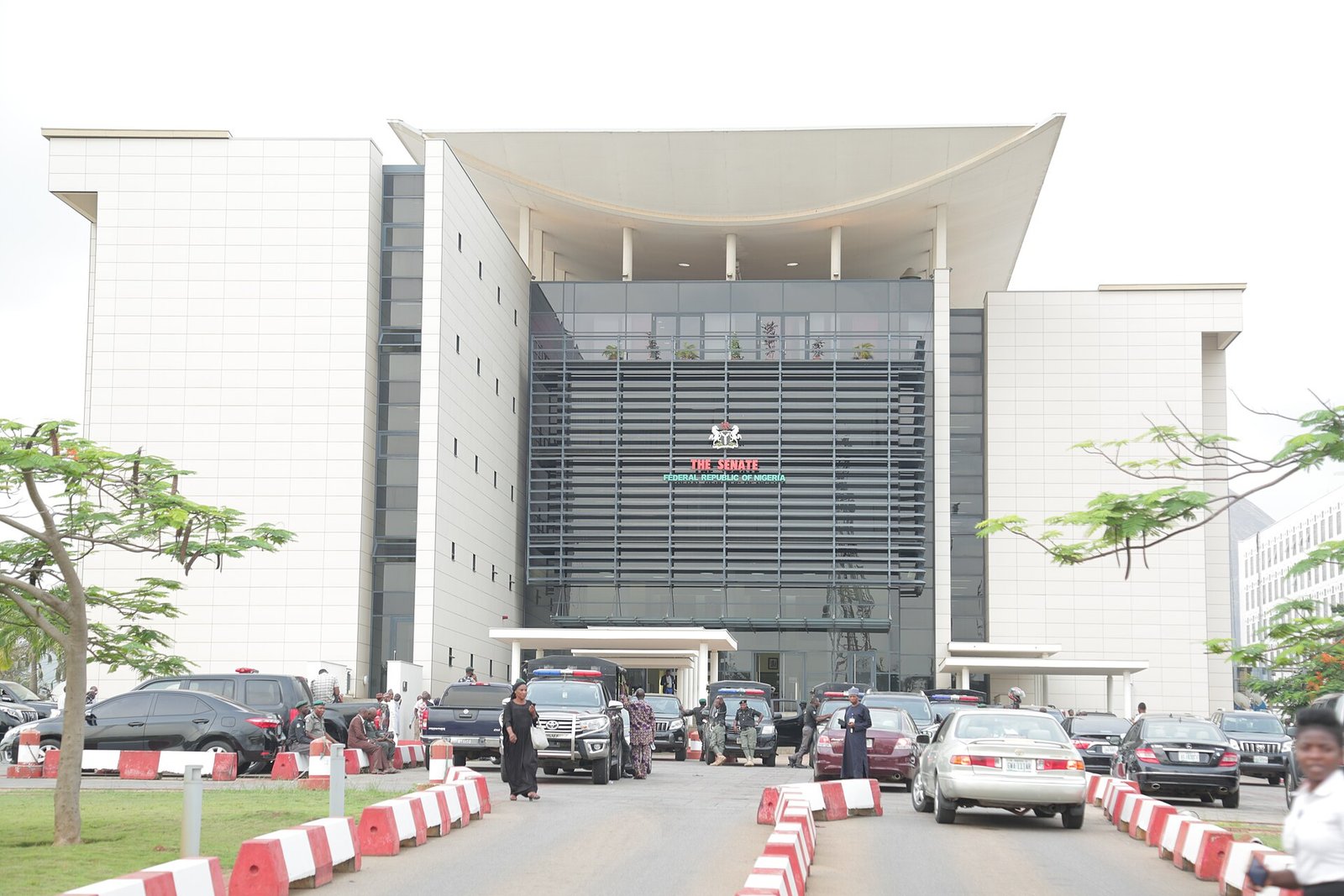
Photo: Kabusa16 / Wikimedia Commons, CC BY-SA 4.0
Nigeria’s proposed $7.7 billion external borrowing plan has triggered fresh calls for transparency, with economists warning that dollar-denominated debt could deepen pressure on public finances and the naira.
A smaller request, but major questions remain
President Bola Tinubu has asked the National Assembly to approve external borrowing of about $7.707 billion, replacing an earlier request worth more than $20 billion. The proposal is intended to support the 2026 budget, including priority areas such as security, transport, agriculture, power, education and health.
DGBN has also reported on Pro-Tinubu group trains more than 200 Bayelsa residents in soap making.
The request has been referred for legislative consideration. At the budget exchange rate of ₦1,400 to the dollar, the proposed facility is equivalent to roughly ₦10.8 trillion.
The presidency has argued more broadly that new borrowing should be directed towards productive investment, with infrastructure and other assets expected to support jobs, growth and future public revenue.
Debt service and currency exposure
But economists cited by Leadership said the central test is not only Nigeria’s debt-to-GDP ratio, but the share of government revenue already absorbed by servicing debt.
Professor Bongo Adi of Lagos Business School said additional obligations could worsen an already difficult debt-service-to-revenue position. Tilewa Adebajo of CFG Advisory also raised concerns that borrowing could be used for recurrent costs or existing obligations rather than projects with clear economic returns.
For more context, read DGBN’s coverage of Aguda says Tinubu must show results to win northern backing in 2027.
The concern carries particular weight for ordinary Nigerians because external loans must be repaid in foreign currency. If the naira weakens, the domestic-currency cost of repaying the same dollar debt rises, potentially squeezing future spending on public services and development.
Demand for project-by-project disclosure
Analysts are demanding a public breakdown of the proposed spending: the projects to be financed, their locations, implementing agencies, delivery dates and expected returns.
That level of disclosure would allow lawmakers and the public to assess whether the loans are financing assets that can expand production, exports and employment, or simply plugging short-term fiscal gaps.
Nigeria’s government has pointed to improvements in reserves, revenue collection and the wider external position as signs of a stronger macroeconomic base. Yet critics say better headline indicators do not remove the need for detailed scrutiny of each loan, its interest rate, repayment profile and safeguards against waste.
Why it matters
For Black Africa’s largest economy, the debate goes beyond one borrowing request. It is about whether public debt can be turned into reliable infrastructure, economic opportunity and stronger services — or whether taxpayers will inherit higher repayments without matching gains.
Related DGBN reporting includes Why US midterm results cannot predict Tinubu’s 2027 election prospects.
For wider context, see Everton Got Weeks. Forest Got Weeks. City Got Years. Now the Verdict Is In. on Diajem Sports Network.
The National Assembly’s review is therefore a test of fiscal accountability. Approval should be tied to clear terms, transparent procurement, independent oversight and regular reporting on how every dollar is spent.