
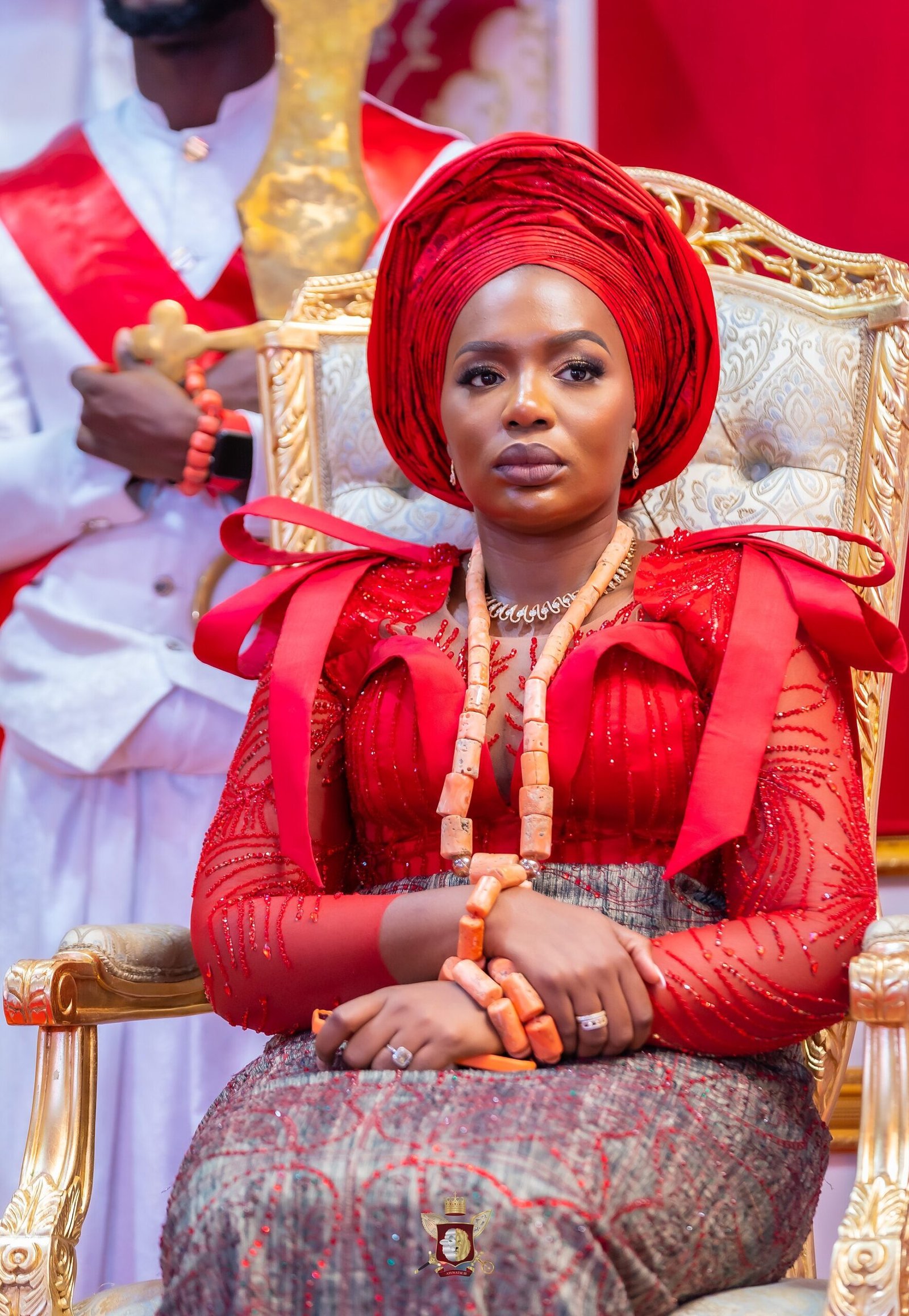
Photo: Blackmeister / Wikimedia Commons, CC BY 4.0
Africa’s cultural influence must translate into ownership, jobs and lasting wealth on the continent, Olori Atuwatse III told leaders and creatives at a major Accra gathering.
From cultural power to economic control
The Queen Consort of Nigeria’s Warri Kingdom made the case during the Elevate Africa Convening, held at the Mövenpick Ambassador Hotel in Accra on 28 and 29 October. The event brought together political figures, investors, creatives, youth leaders and diaspora representatives around trade, governance and culture.
DGBN has also reported on Asian markets gain after Wall Street rally, but Treasury yields stay near 24-year highs.
Olori Atuwatse III, a co-founder of Elevate Africa, framed the continent’s creative output as more than a source of international visibility. The central challenge, she argued, is ensuring Africans retain meaningful stakes in the finance, intellectual property, production, distribution and commercial systems built around music, film, fashion and digital content.
Her intervention came as the convening’s creative-economy programme examined how African soft power can become what organisers described as “hard currency” — durable economic value generated through creative work.
A policy question, not just a cultural one
The two-day programme placed the creative industries alongside the African Continental Free Trade Area, investment, regional integration and diaspora engagement. Its sessions included discussions on African fashion, film, music and digital content as trade assets, as well as a Threads of Africa exhibition and awards programme.
For African creators, ownership is a defining issue. A global audience can generate attention for a song, design, story or screen production, but the greatest returns may still accrue to companies that own platforms, distribution channels, catalogues, brands and rights management structures.
For more context, read DGBN’s coverage of WTTC and ICC sign pact to strengthen travel and tourism SMEs.
That is why the call carries particular weight for Black communities across the continent and diaspora. Africa already supplies cultural ideas that shape global popular culture; retaining ownership would strengthen creators’ bargaining power and help build careers, enterprises and institutions at home.
Leadership, investment and diaspora links
Elevate Africa says the forum is intended to produce partnerships and policy commitments rather than remain a discussion platform. The programme scheduled a closing Accra Declaration, a youth communiqué and broader action around continental leadership and economic integration.
Olori Atuwatse III’s message also connected creative enterprise to African-led problem-solving. At a press conference ahead of the gathering, she urged Africans to take greater responsibility for defining the continent’s future, while stressing that solutions require cooperation between governments, companies and civil society.
That approach places a clear responsibility on public institutions: creative talent needs more than celebration. It requires predictable intellectual-property protection, access to capital, reliable digital and physical infrastructure, fair cross-border payment systems and routes into continental and international markets.
Why it matters
Africa’s creative economy is increasingly recognised as a strategic sector, but recognition alone does not guarantee shared prosperity. The test will be whether leaders convert the language of cultural pride into ownership structures that allow African artists, designers, producers and entrepreneurs to keep a fairer share of the value they create.
Related DGBN reporting includes Somalia’s President Courts Investors at Alamein-Africa Business Forum.
For Black audiences worldwide, that is also a question of narrative power. Ownership determines who tells the story, who controls how it travels and who benefits when African culture reaches the world.