
Photo: Shiny Things / Wikimedia Commons, CC BY 2.0
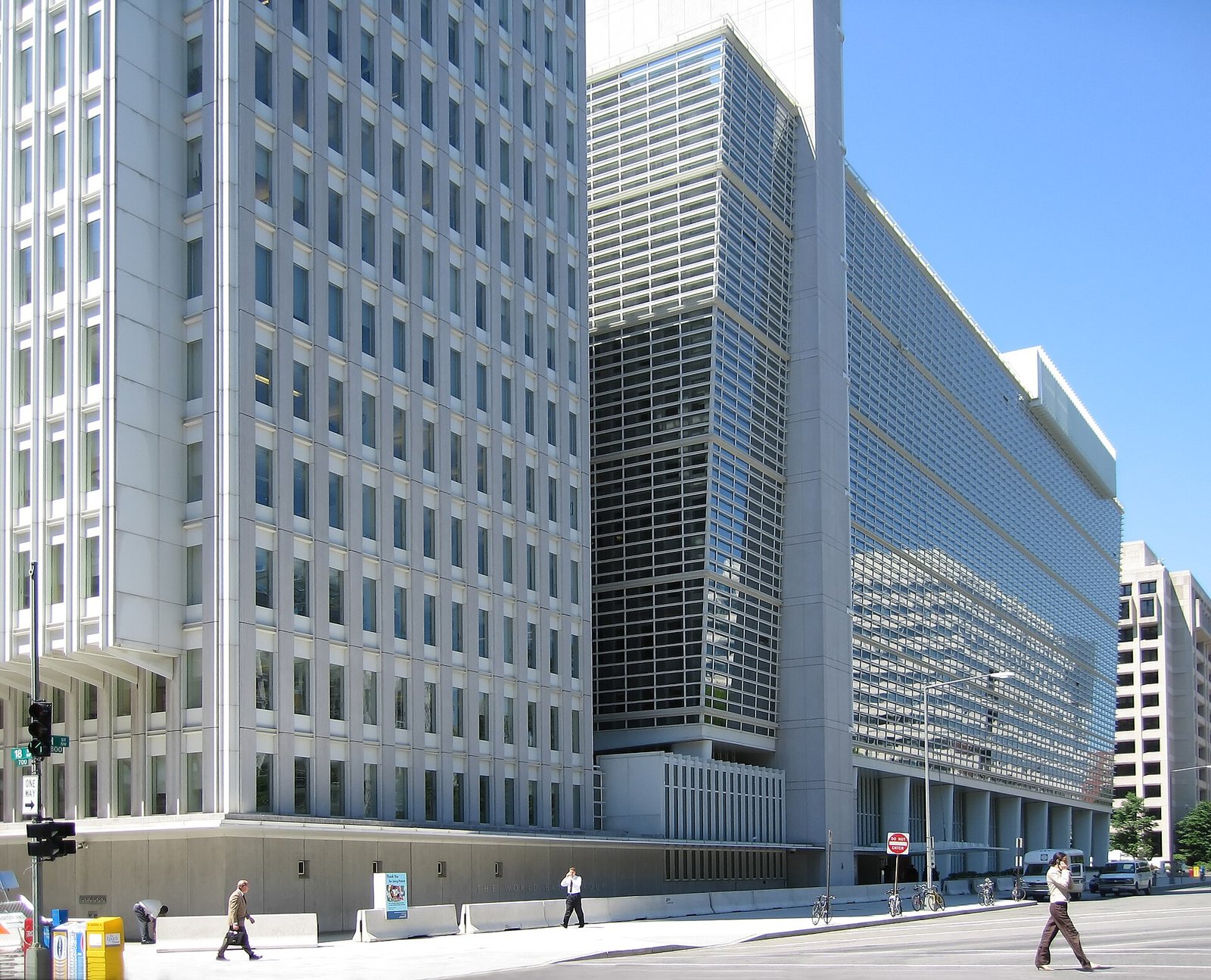
Nigeria’s states have more money to spend, but the World Bank says too much of the additional fiscal space is being directed towards roads rather than the services that shape daily life.
Spending imbalance highlighted
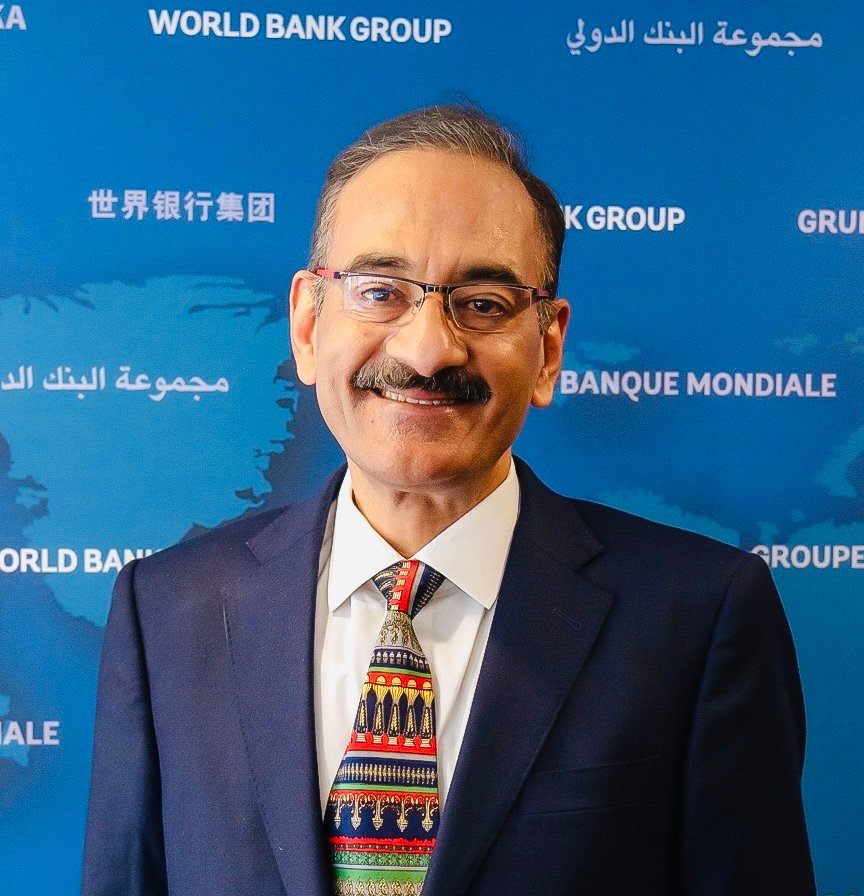
Speaking at the launch of BudgIT’s 2026 State of States Report in Abuja on Tuesday, World Bank economist Gloria Joseph-Raji said investment in transport infrastructure had risen faster than expenditure on education, healthcare and social protection.
DGBN has also reported on Nigerian treasurers warn 2027 cyber rules could disrupt firms without clear rollout.
The warning follows a period of sharply higher revenues for state governments after reforms including the removal of petrol subsidies, exchange-rate changes and stronger tax administration. States have also received larger federation transfers and other federal support.
The World Bank’s October Nigeria Development Update found that spending on social sectors increased in real terms, but did not keep pace with the expansion in economic infrastructure. Education’s share of overall state expenditure fell to 12.1% in 2025 from 14.9% in 2021, while health spending remained broadly steady at around 7%.
Social protection’s share rose from 1.4% to 4.4% over the same period, but the Bank said the wider spending mix still left a major opportunity to improve human capital and public services.
Higher revenues, uneven outcomes
The Bank said many states that once struggled to pay civil-service salaries now have additional resources available for service delivery. Yet it questioned whether that stronger fiscal position is being converted into better living standards.
For more context, read DGBN’s coverage of Africa’s development debate shifts from projects to institutions and delivery.
Its assessment found that transport had recorded the largest increase in spending across more than 30 states examined. Roads can support trade, mobility and access to markets, but the Bank argued that project choices must be balanced against investments that directly affect children’s learning, access to clinics and support for households facing hardship.
The concern is particularly significant in states with weaker human-development outcomes, where gaps in schools, primary healthcare and social safety nets can limit opportunity across generations.
Reliance on federal allocations remains
Joseph-Raji also warned that most state governments remain heavily dependent on money shared from the Federation Account. Federation transfers made up more than three-quarters of revenue in all but a handful of states in 2025, according to the Bank.
Between 2021 and 2025, such transfers represented 73% of aggregate state revenues excluding Lagos, which has a larger internally generated revenue base. The Bank said internally generated revenue was sufficient to cover recurrent expenditure in only two states.
BudgIT’s latest report similarly calls for more credible budgets, stronger revenue mobilisation and closer scrutiny of whether allocations translate into services citizens can see and use.
Why this matters
For Black communities across Nigeria, the debate is not a simple choice between roads and social services. Reliable infrastructure is vital, but so are functioning classrooms, affordable treatment, maternal care and protection for families hit by rising living costs.
Related DGBN reporting includes Africa urged to build homegrown AI as $103bn opportunity comes into view.
The World Bank’s message is that the real test of Nigeria’s revenue windfall will be whether state budgets produce tangible improvements in people’s lives — especially for young people, women, low-income households and communities long underserved by public investment.