

Photo: Deonwillsgh / Wikimedia Commons, CC BY-SA 4.0
Africa’s route to durable prosperity must combine large-scale local industry with technology-led innovation, according to a new analysis from the Institute for Security Studies.
A false choice between factories and technology
The Johannesburg-based institute says African governments are too often presented with a choice between building factories, refineries and ports, or pursuing a digital future. Its conclusion is that the continent needs both.
DGBN has also reported on Sifuna demands Kenya publish Dangote refinery deal, citing constitutional right to information.
Original source: Original source.
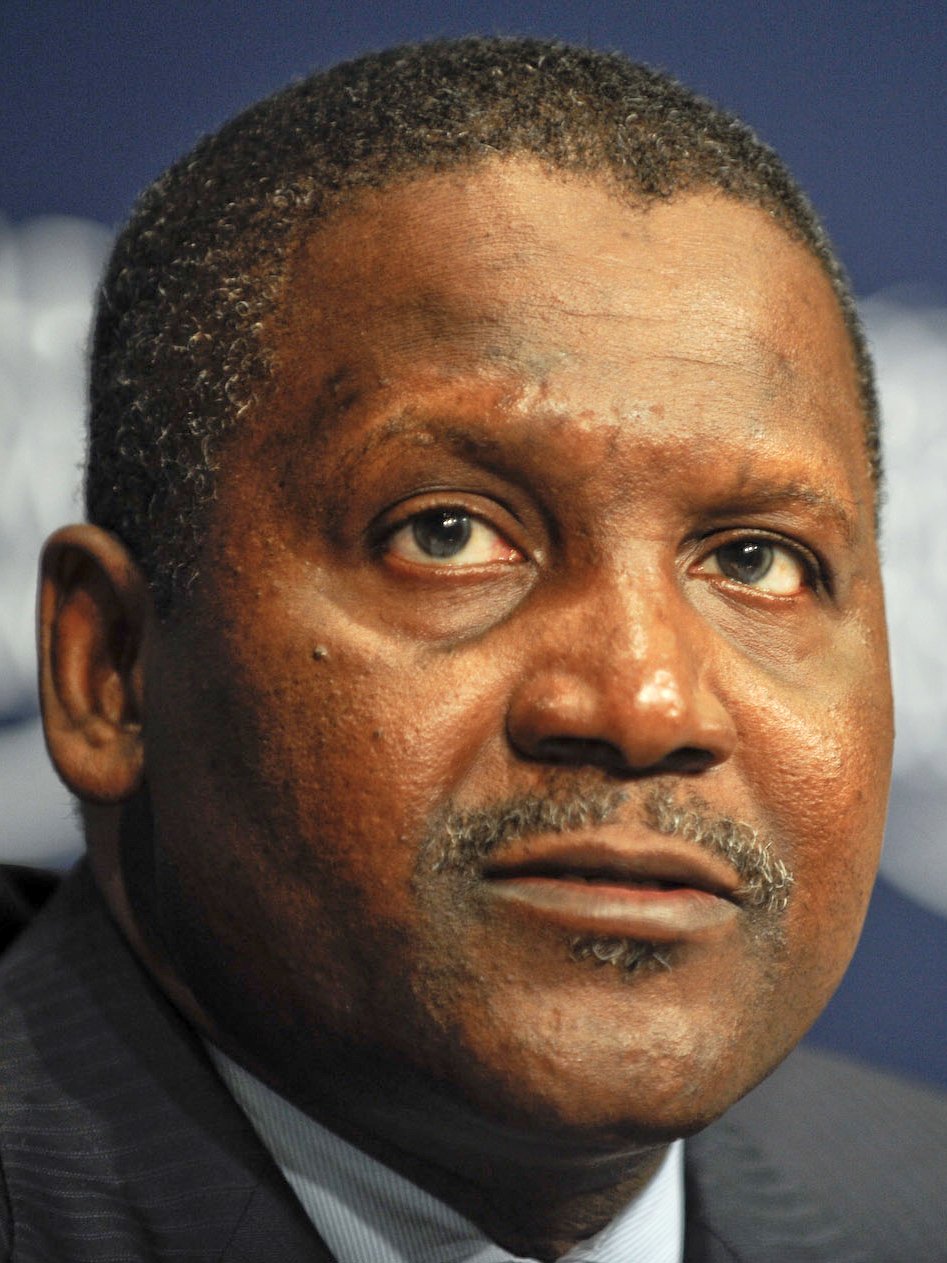
The analysis, published on 1 October, uses Nigerian industrialist Aliko Dangote and South African-born entrepreneur Elon Musk as contrasting examples. Dangote’s businesses represent investment in processing, manufacturing and import substitution, while Musk’s companies embody the high-risk pursuit of frontier technologies including satellite internet, electric vehicles and artificial intelligence.
For Black communities across Africa and the diaspora, the argument goes beyond billionaire profiles. It is about who owns productive assets, where value is added, and whether African economies can create jobs and innovation rather than remain suppliers of raw materials.
Dangote refinery’s regional test
Dangote Petroleum Refinery says it can process 700,000 barrels of crude oil a day, with plans to expand to 1.4 million barrels daily. The company says the Lagos-based project is supplying domestic and export markets, positioning Nigeria to reduce reliance on imported refined fuel.
In July, the refinery announced it had secured $2.5 billion in new private-equity funding for expansion. The company said the financing involved African and international institutional investors, including the Africa Finance Corporation and an Afreximbank-facilitated investment platform.
For more context, read DGBN’s coverage of Dangote breaks ground on $16bn East Africa refinery in Kenya.
ISS argues that projects of this scale can help shift Africa from exporting commodities to producing higher-value goods. But it cautions that industrial champions depend on enabling policy, dependable power, finance, logistics and predictable regulation — as well as, in Dangote’s case, protection from external competition.
Technology must serve broad development
The analysis also highlights satellite connectivity as a potential accelerator for digital business, remote education, telemedicine and financial inclusion, particularly in communities that have waited decades for fixed-line infrastructure.
Yet it warns against treating technology investment as a substitute for mass employment. Data centres, satellite networks and battery plants can lift productivity and help build local supplier networks, but they are generally capital-intensive and will not directly absorb the large numbers of semi-skilled workers seeking jobs across the continent.
The debate is particularly sharp in South Africa, where Starlink remains caught in a licensing dispute linked to the country’s Black economic empowerment requirements. ISS notes that South Africa’s communications rules require licensees to meet a 30% equity threshold, while Musk has resisted giving up that ownership stake.
The policy challenge
The report’s central message is that governments cannot manufacture the next Dangote or Musk. They can, however, build conditions in which African industrialists, inventors and entrepreneurs can take risks and scale.
Related DGBN reporting includes Dangote joins Ethiopia and Djibouti in $660m fuel pipeline plan.
That means policies that make room for African ownership, worker opportunity, public accountability and community consent — not simply headline-grabbing investment. Africa’s development agenda must build the capacity to refine its resources at home while backing the innovators who can connect, digitise and transform its future.