
Photo: Portland Seminary of George Fox University / Wikimedia Commons, CC BY-SA 4.0
South Africa’s Presidency has restated its support for Broad-Based Black Economic Empowerment, arguing that redress and inclusive growth must advance together rather than be treated as competing goals.
A firm defence of redress
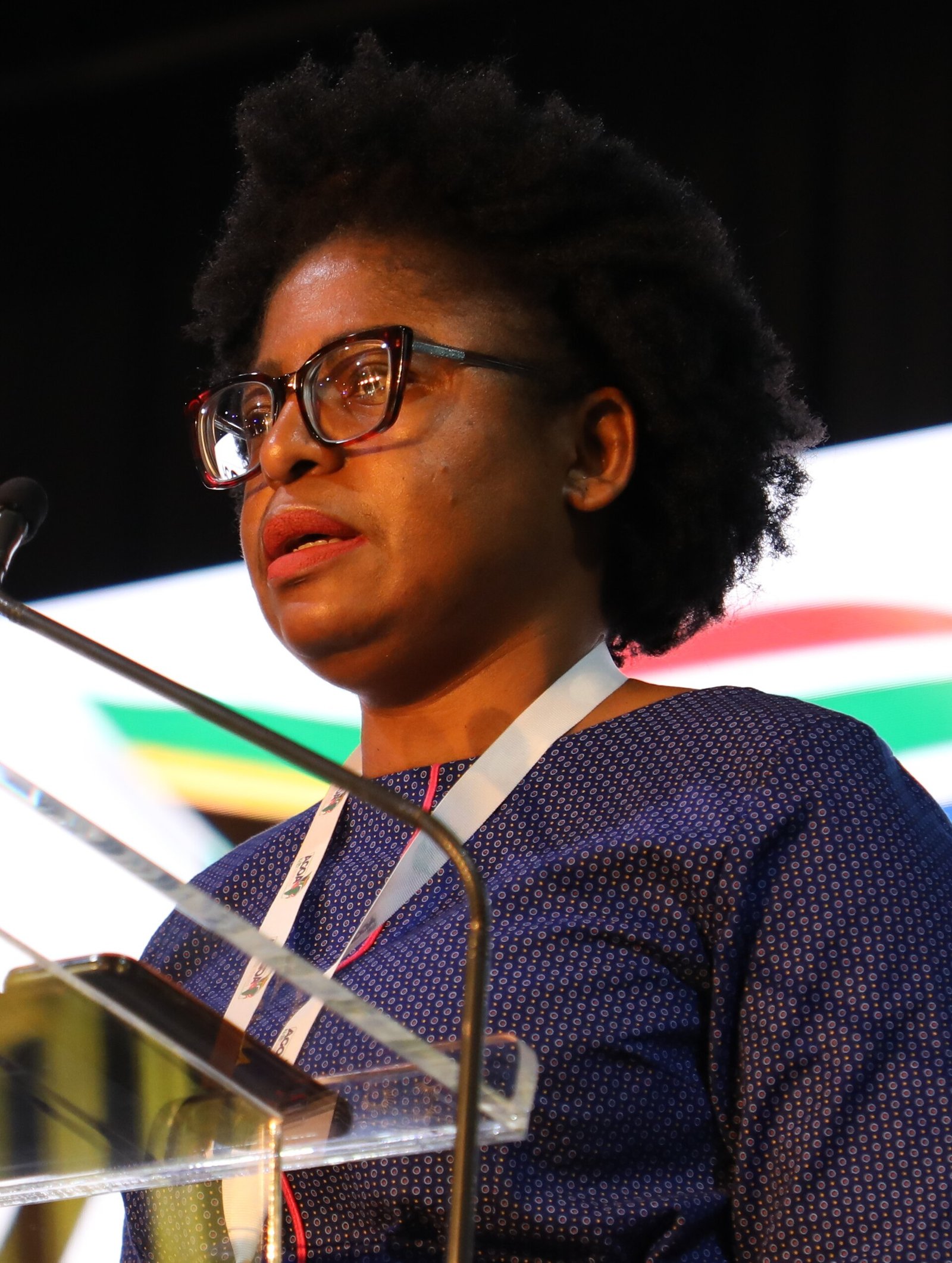
Minister in the Presidency Khumbudzo Ntshavheni said B-BBEE remains essential to tackling the economic exclusion created by apartheid. Her intervention comes as the government reviews the framework amid persistent debate over whether empowerment rules deter investment or have delivered broad enough benefits.
DGBN has also reported on Gulf-Africa investment corridor gains momentum, but delivery will be the test.
Original source: Original source.
Ntshavheni said the policy was rooted in the constitutional obligation to take measures that address past disadvantage. She argued that abandoning redress would leave millions of Black South Africans excluded from prosperity, despite three decades of democracy.
The government’s position is that B-BBEE should be improved, not scrapped. President Cyril Ramaphosa has similarly said the framework must be refined to strengthen transformation while supporting investment and economic growth.
Review aimed at outcomes, not paperwork
The review is being led by the Department of Trade, Industry and Competition under Minister Parks Tau. It has a short-term phase focused on regulations, codes of good practice and guidelines, followed by a longer-term process that could lead Parliament to amend the B-BBEE Act.
Deputy President Paul Mashatile has said the objective is to shift the system from formal compliance towards measurable outcomes. Government has pointed to declining submission rates for compliance reports as one sign that enforcement and implementation need strengthening.
For more context, read DGBN’s coverage of Schneider Electric reportedly nears $20bn takeover of US software firm PTC.
The review is also intended to improve access to ownership, skills, enterprise development and local industrial opportunities, including for Black women, young people, workers, people with disabilities and rural communities.
Foreign investment and equity alternatives
A central issue is how multinationals can participate where global company policies prevent the sale of equity in local subsidiaries. The government says Equity Equivalent Investment Programmes offer an alternative: companies can direct investment towards skills, enterprise development and Black-owned suppliers rather than meet ownership requirements through share sales.
Ramaphosa has described the mechanism as a practical route for international companies to invest in South Africa while contributing to economic inclusion. Ntshavheni said the country welcomes foreign capital but wants investment that also builds domestic capability, local processing and jobs.
Why this matters
The debate reaches beyond corporate scorecards. South Africa remains one of the world’s most unequal societies, and the gap in income, ownership and access to capital still maps heavily onto race.
For Black South Africans, the question is whether empowerment policy can create wider and more durable participation in the economy — not simply benefit a narrow connected class. The government’s promised overhaul will be judged on whether it expands real ownership, work, skills and business opportunities while maintaining investor confidence.
Related DGBN reporting includes Ramaphosa joins AU leaders in Egypt for continental integration talks.
Critics of B-BBEE have argued that the system can be bureaucratic and vulnerable to abuse. The Presidency’s response is that these failures require stronger design and enforcement, rather than an end to the principle of economic redress.