
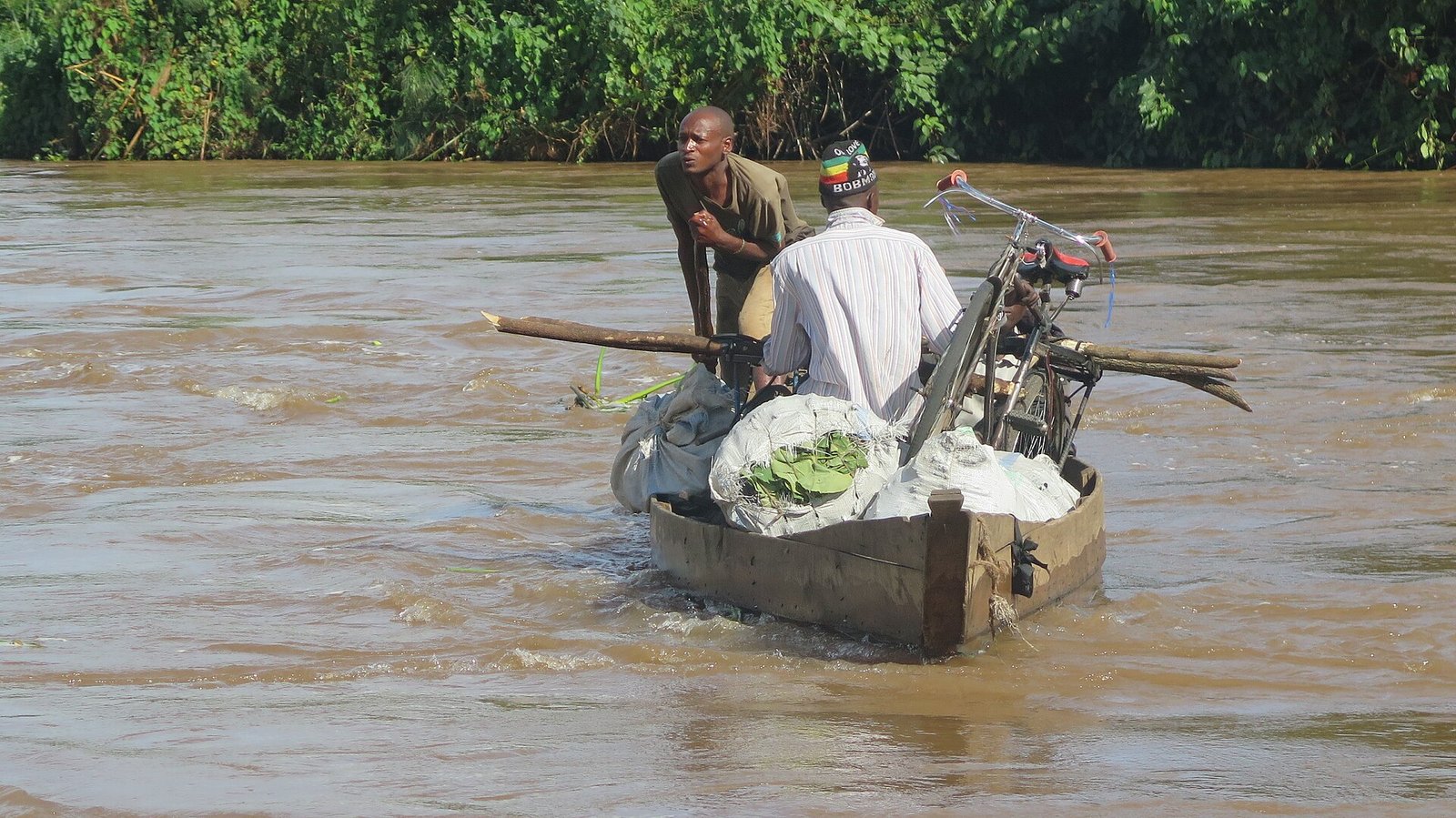
Photo: Mpororo / Wikimedia Commons, CC BY-SA 4.0
Cameroon has launched a new AfCFTA-backed programme aimed at making cross-border trade safer, more accessible and more inclusive for small traders, particularly women and young people.
Focus on vital regional corridors
Trade Minister Luc Magloire Mbarga Atangana launched the PAMOZ project in Yaoundé on 6 October. The initiative, developed by the African Development Bank (AfDB) and the International Organization for Migration (IOM), will operate along the Douala–Bangui corridor to the Central African Republic and the Douala–Kousséri route towards Chad.
DGBN has also reported on Ramaphosa launches FuturePHARMA hub to build South Africa’s medicine-making capacity.
Those corridors are essential commercial lifelines for landlocked neighbours and for Cameroonian businesses moving goods across Central Africa. Yet traders face lengthy border procedures, weak access to formal finance, security pressures and fragmented administration.
The 24-month programme will seek to tackle those obstacles through stronger mobility and trade data, support for business formalisation and financial inclusion, and more coordinated border governance.
Direct support for women and youth
The project is expected to directly reach 500 small-scale cross-border traders, with women and young entrepreneurs a central priority. It is also projected to have indirect benefits for more than 10,000 households, according to reporting on the launch.
For more context, read DGBN’s coverage of Democratic-leaning governments outperform autocracies in African governance study.

That focus matters because informal traders—many of them women—keep food, household goods and small-business supplies moving between communities even when formal systems are difficult to navigate. Reducing avoidable delays and costs at borders could help preserve incomes while bringing more traders into protected, recognised economic activity.
Officials also said the programme would support traders’ associations and local cooperatives, helping shape measures around the day-to-day realities of people who depend on cross-border commerce.
Turning AfCFTA into practical opportunity
The initiative is tied to Cameroon’s implementation of the African Continental Free Trade Area, which seeks to deepen commerce among African economies. Mbarga Atangana said the project supports the country’s wider development strategy, including greater local processing and value creation.
For the Central African Republic, the Douala–Bangui route is especially consequential: it is a principal supply channel linking Bangui to Cameroon’s Atlantic port infrastructure. Faster, more predictable movement along the corridor can affect the availability and price of essential goods.
The AfDB and IOM are funding the programme at about €2.76 million, with the bank providing the majority through its Transition Support Facility. Implementation will be jointly managed by IOM teams in Cameroon and the Central African Republic, alongside trade ministries, border agencies and local authorities.
Related DGBN reporting includes Dangote Group Calls for Nigeria to Produce More and Import Less.
For wider context, see Ivory Coast 0-1 Cameroon: Nsongo wins it for the Indomitable Lions on Diajem Sports Network.
Why it matters
AfCFTA’s promise will be judged not only by high-level agreements, but by whether a woman selling produce, a young logistics operator or a small importer can cross a border without punitive delays, informal barriers or exclusion from finance. Cameroon’s new project places those traders at the centre of a regional integration agenda that too often remains distant from the people doing the daily work of African trade.