
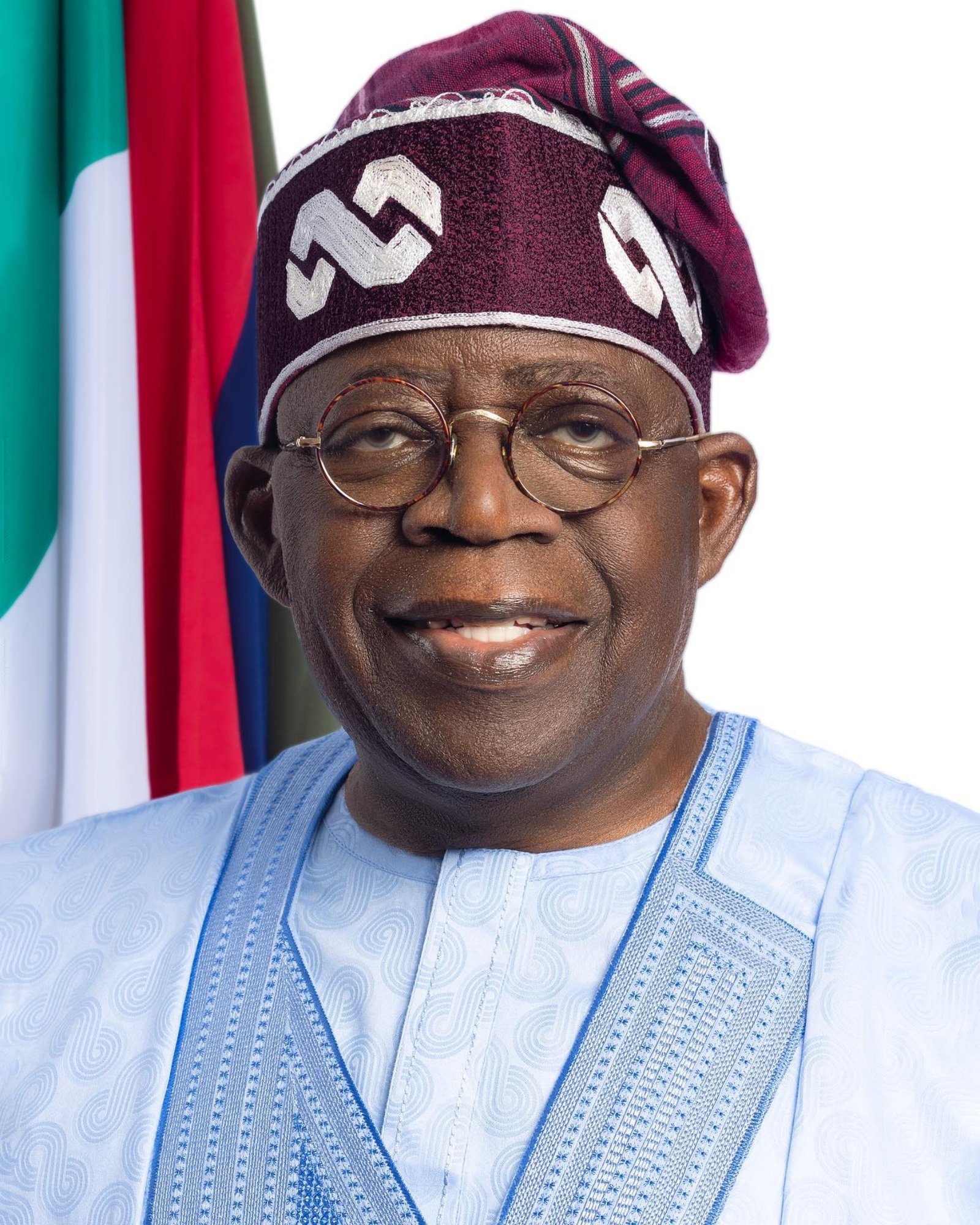
Photo: Nosa Asemota / Wikimedia Commons, CC BY-SA 4.0
President Bola Tinubu has pledged new protections for Nigerian retirees, including implementation of a minimum pension guarantee that has remained dormant since the Pension Reform Act of 2014.
New commitments at pension summit
Tinubu, represented by Secretary to the Government of the Federation George Akume, announced the measures on Thursday at the inaugural National Pension Week Leadership Summit in Abuja.
DGBN has also reported on Tinubu Targets December Presentation for Nigeria’s 2027 Budget.
The President said pension payments are earned wages held in trust, rather than a discretionary benefit from government. His administration has approved a ₦758 billion Federal Government pension bond intended to settle outstanding accrued pension rights and reinforce the Pension Protection Fund.
The government also said it would implement the statutory Minimum Pension Guarantee, a provision designed to give eligible pensioners a basic level of income security. Details including the payment level, qualifying criteria and timetable for delivery have not yet been made public.
Healthcare for poorer pensioners
Tinubu further announced PenCare, a retiree wellbeing programme expected to begin with access to essential healthcare for low-income beneficiaries under the Contributory Pension Scheme.
For more context, read DGBN’s coverage of Nigeria Defends $21.7bn Borrowing Plan as Investment in Growth.
The commitment follows an earlier directive to speed up a healthcare-access initiative and pension increases for lower-income retirees. The National Pension Commission, PenCom, has also said it is pursuing reforms intended to protect pension savings from inflation and broaden participation, including among workers outside formal employment.
The President urged PenCom to enforce pension rules firmly and called on employers to remit deductions promptly. He said withholding workers’ pension contributions after deductions amounted to a breach of trust.
Why the pledge matters
Nigeria’s contributory system relies on workers and employers paying into individual Retirement Savings Accounts, which are managed by licensed pension fund administrators and held by custodians. For millions of Nigerian workers, reliable pensions can determine whether retirement brings stability or financial hardship.
The promise to implement a minimum guarantee is particularly significant for workers whose savings may not deliver enough income in retirement, while healthcare support could ease a major burden for older people living on fixed payments.
But the announcement will be judged by execution. Retirees and contributors will need clear regulations, adequate funding, transparent eligibility rules and timely settlement of accrued rights before the stated reforms produce measurable improvements.
Related DGBN reporting includes Nigeria pushes local production as route to jobs and prosperity.
For Black communities across Africa and the diaspora, the development speaks to a wider question of economic dignity: whether people who spend decades building public institutions, businesses and families can expect security in old age.