
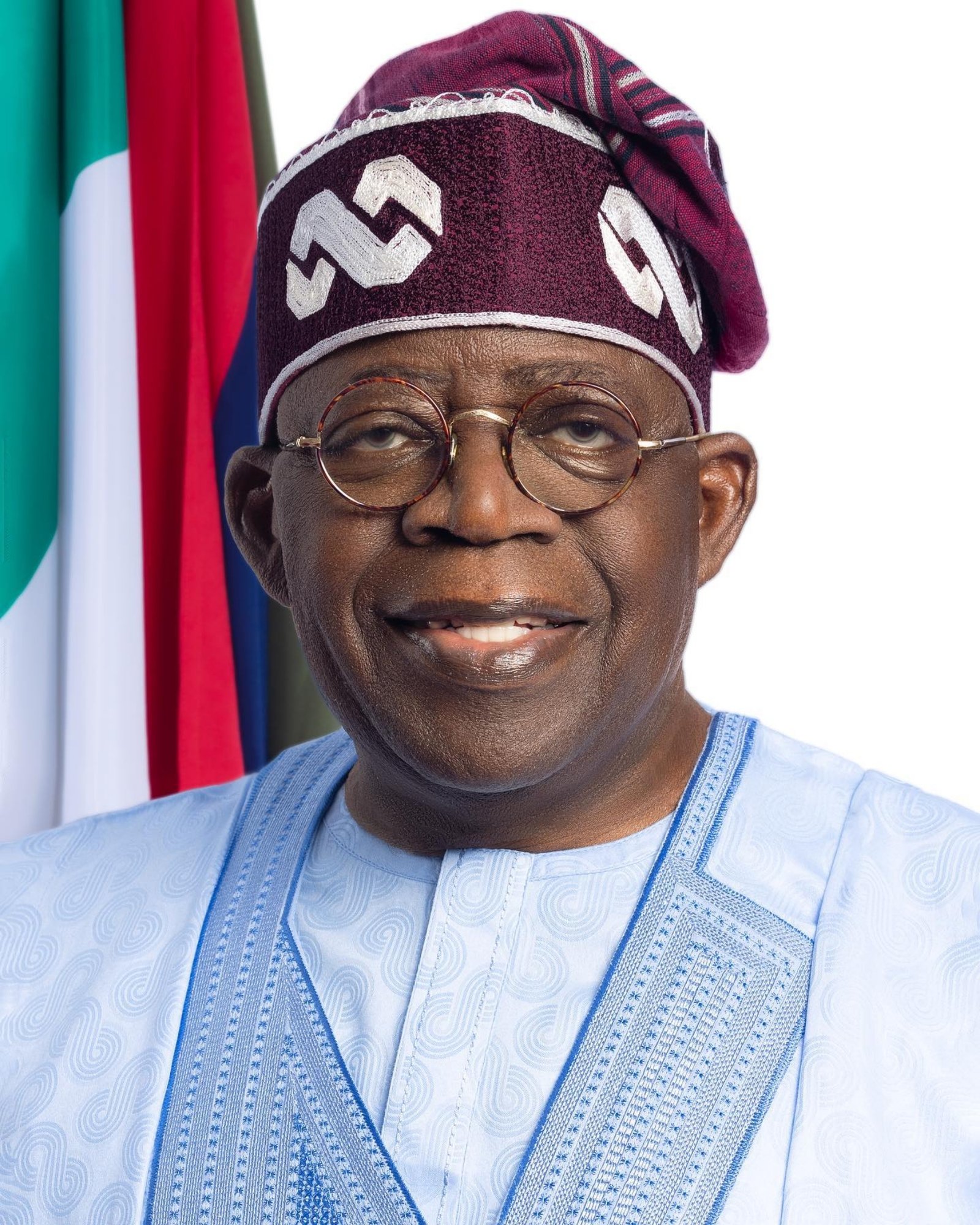
Photo: Nosa Asemota / Wikimedia Commons, CC BY-SA 4.0
Nigeria’s technology chief has urged citizens to judge President Bola Tinubu’s reforms as a long-term shift towards production, innovation and investment rather than subsidised consumption.
Abuja call for policy continuity
Kashifu Abdullahi, director-general of the National Information Technology Development Agency (NITDA), made the case at a Thursday workshop in Abuja organised by the Tinubu Movement for Sustainable Governance Foundation.
DGBN has also reported on Nigeria stakeholders press for local drug-ingredient production to strengthen medicine security.
Abdullahi, who is also the group’s national coordinator, said Nigeria had historically spent heavily on subsidising consumption instead of building productive capacity. He argued that the government’s reform programme was intended to redirect resources towards enterprise, innovation and investment.
The remarks come as the Tinubu administration continues to defend reforms including the 2023 removal of the petrol subsidy and changes to the foreign-exchange regime. Supporters say the measures are needed to restore macroeconomic stability and draw investment; critics and many households have pointed to the severe pressure of higher living costs.
Digital skills at the centre
Abdullahi said digital education, technical and vocational training, student loans and skills initiatives form part of the government’s effort to widen economic opportunity.
He cited NITDA’s Digital Literacy for All programme, its use of more than 19,000 National Youth Service Corps digital-literacy champions, and the Three Million Technical Talent initiative as programmes designed to help Nigerians compete for jobs and participate in the global digital economy.
For more context, read DGBN’s coverage of Gauteng’s city halls take centre stage in South Africa’s local election battle.
That focus matters for Nigeria’s young population. A production-led economy cannot be built only through major projects or policy statements: it needs workers and entrepreneurs able to create, adapt and sell technology, services and locally made goods.
Government’s wider industrial agenda
The comments broadly align with the federal government’s stated industrial strategy. Nigeria launched a national industrial policy in February 2026, backed by the UN Industrial Development Organization, aiming to diversify the economy, strengthen domestic production and reduce import dependence.
Tinubu’s administration has also presented infrastructure investment, tax reform and improved access to capital as central to its ambition of building a one-trillion-dollar economy by 2030.
But the test will be whether reforms translate into tangible improvements for ordinary Nigerians: decent work, lower barriers for small businesses, reliable power, affordable transport and stronger local supply chains.
Hardship acknowledged
Marcel Ngogbehei, director-general of the Tinubu Movement for Sustainable Governance Foundation, acknowledged at the workshop that the reforms have brought hardship. He argued that consistency was necessary for long-term investment and that the gains should ultimately reach households.
Related DGBN reporting includes Barbados secures IDB-backed $175m guarantee to fund health resilience.
That remains the essential measure of success. For Black communities across Nigeria and the diaspora watching Africa’s largest economy, the question is not simply whether reforms attract capital, but whether they expand ownership, skills and prosperity at home.