
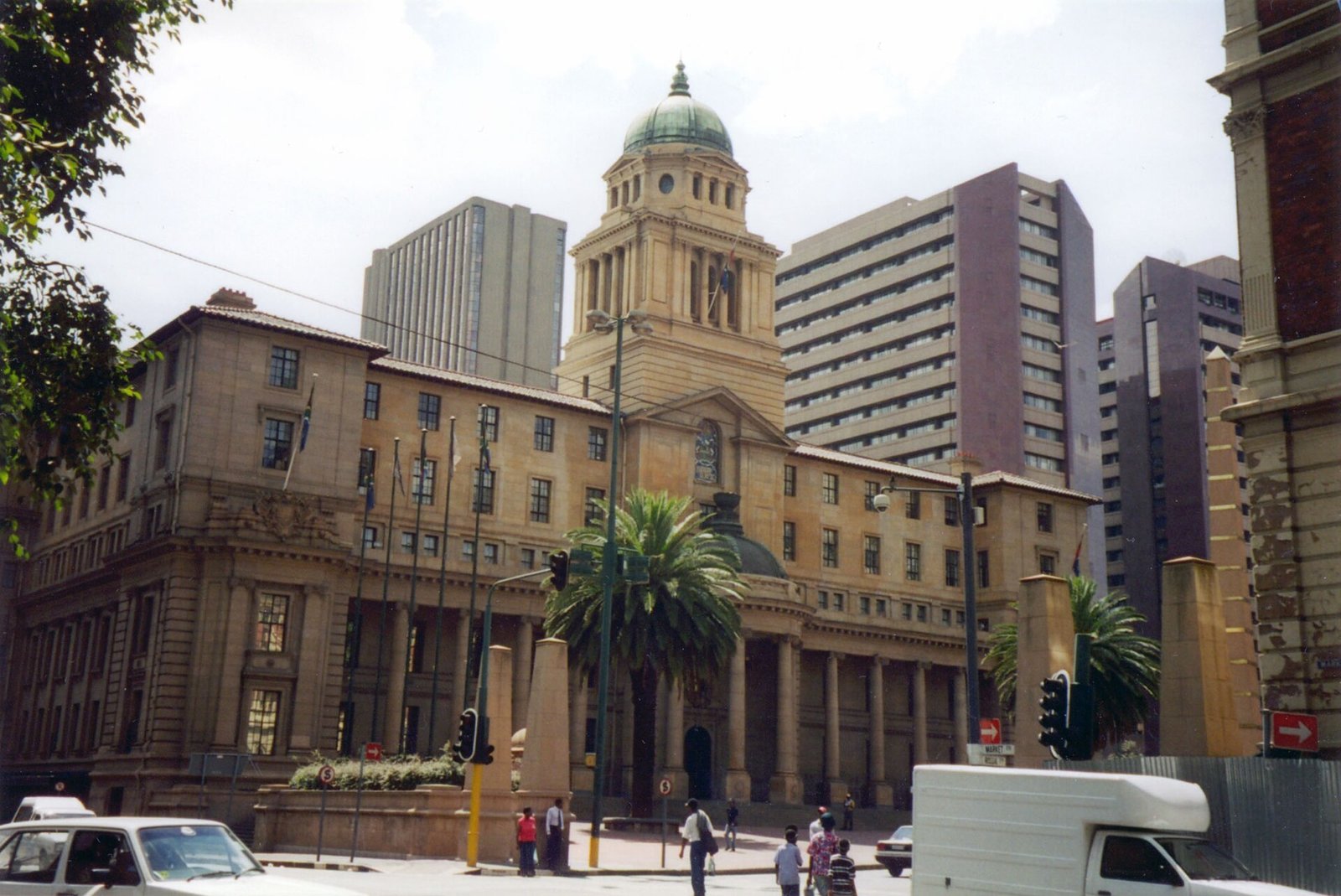
Photo: Chris Eason / Wikimedia Commons, CC BY 2.0
Gauteng’s municipal election is being fought as an argument over whether better-run city halls can unlock a wider South African recovery.
A political case, not an economic announcement
The immediate development is a Financial Mail partner article published on 30 October by Cape Town mayor Geordin Hill-Lewis, who argues that stable, DA-led governments in Gauteng’s major metros would help revive the national economy.
DGBN has also reported on Absa opens Dubai office to link Gulf capital with African markets.
Hill-Lewis’s piece is explicitly a party-political appeal ahead of South Africa’s local government elections on 4 November. It calls on voters to back the Democratic Alliance in Johannesburg, Tshwane and Ekurhuleni, presenting municipal management, infrastructure maintenance and long-term planning as the route to restoring investor confidence.
His claims should therefore be read as campaign arguments rather than as an independent assessment of the parties’ records.
Why Gauteng matters
The economic stakes are real. Statistics South Africa estimates that Gauteng accounted for 33.2% of national gross domestic product in 2024, making it the country’s largest provincial economy.
That means persistent failures in water, electricity, roads, billing systems, housing administration and public transport across its metropolitan councils can affect businesses and households far beyond provincial borders. Johannesburg is a commercial hub, Tshwane hosts national government institutions, and Ekurhuleni is a major industrial and logistics centre.
For more context, read DGBN’s coverage of GO Ventures joins €2m SPASH round as Malta telecom group bets on sports AI.
For Black South Africans, the question is also immediate and practical: whether local government can make daily life more affordable, safer and more predictable. Municipal performance shapes access to reliable services, the operating conditions for township and small businesses, and the ability of residents to travel, work and study without avoidable disruption.
Vote day approaches
The election date has been formally set for Wednesday, 4 November 2026, with the Independent Electoral Commission preparing voting stations across the country. Voters will elect local representatives and councils responsible for many of the services people encounter most directly.
Hill-Lewis says the DA’s record in Cape Town demonstrates what sustained municipal administration can deliver, citing job growth and capital investment figures supplied by the City of Cape Town. He also argues that Gauteng needs governments capable of governing beyond recurring coalition instability.
Those assertions will be contested by the ANC and other parties, which are campaigning for control of the same councils and will be judged by voters on their own records and promises.
The test after the rhetoric
The central issue is larger than one party’s campaign. Whichever coalitions emerge after the vote will face pressure to deliver functioning infrastructure, credible procurement, sound finances and reliable frontline services.
Related DGBN reporting includes Magna connects 26 Nigerian startups with 16 investors in Lagos funding drive.
For wider context, see Ivory Coast 0-1 Cameroon: Nsongo wins it for the Indomitable Lions on Diajem Sports Network.
Gauteng’s city halls matter because municipal competence is not an abstract governance debate. In South Africa’s most economically significant province, it can determine whether residents see real improvements in their neighbourhoods — and whether the country’s recovery reaches the communities that have carried the greatest burden of weak public services.