
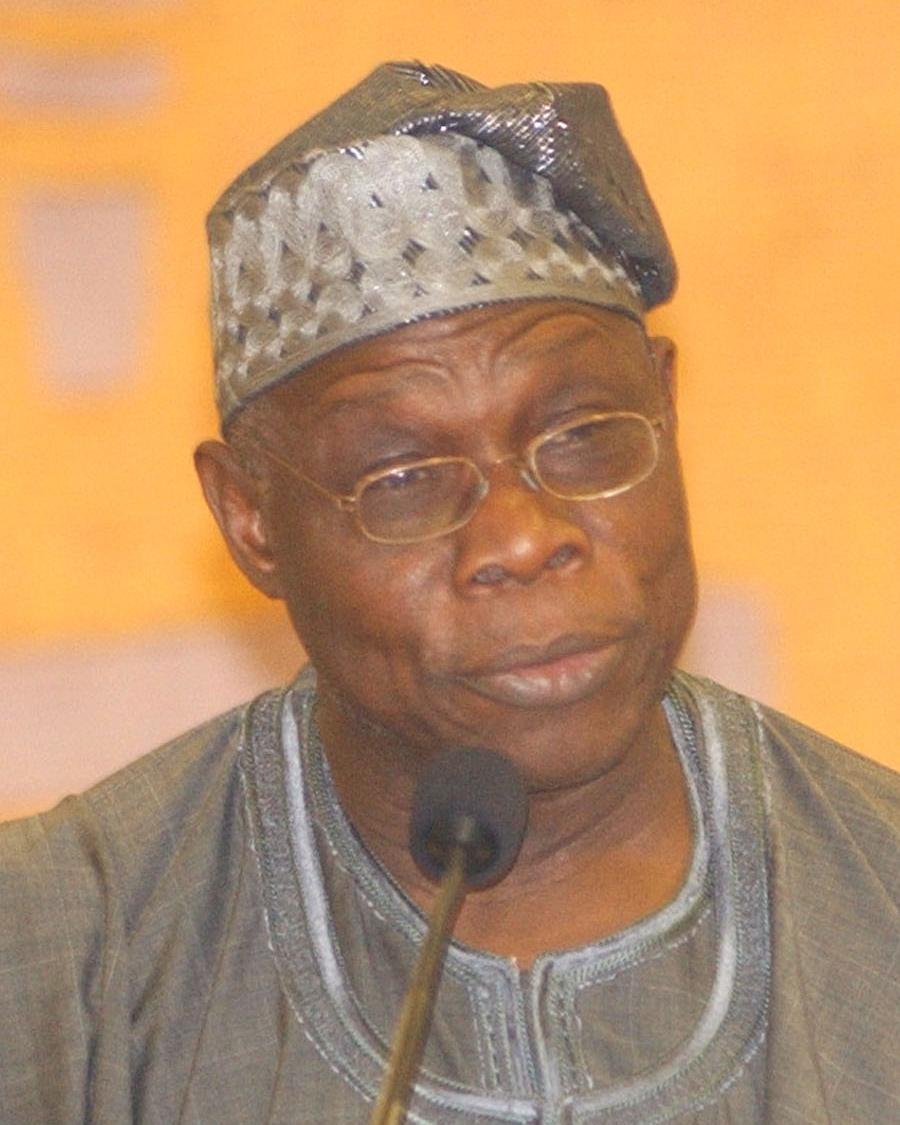
Photo: José Cruz/ABr / Wikimedia Commons, CC BY 3.0 br
Former Nigerian president Olusegun Obasanjo has sharply criticised the Tinubu administration’s borrowing policy, warning that public debt can burden generations yet unborn.
Clash over borrowing
Obasanjo made the remarks on Friday, 30 October, at the Ajibosin Platform symposium in Abeokuta, Ogun State, where speakers were discussing how artificial intelligence could support grassroots development.
DGBN has also reported on Nigeria starts ₦50,000 monthly cash relief for vulnerable households.
Responding to President Bola Tinubu’s earlier argument that borrowing should not be treated as inherently harmful if loans can be repaid, Obasanjo said the comparison understated the lasting consequences of mounting debt.
He said debt was “worse than leprosy” because, in his view, its effects extend beyond an individual to future generations. He also questioned Nigeria’s economic management over recent decades, pointing to the naira’s long-term loss of value against the US dollar.
The comments revive a major public argument about whether Nigeria can borrow its way out of an infrastructure shortfall without placing too much pressure on public finances and future taxpayers.
Tinubu says loans must build productive assets
The presidency has defended its position, saying the question is not simply the size of borrowing but what the money finances.
For more context, read DGBN’s coverage of NITDA chief says Tinubu reforms are steering Nigeria towards production.
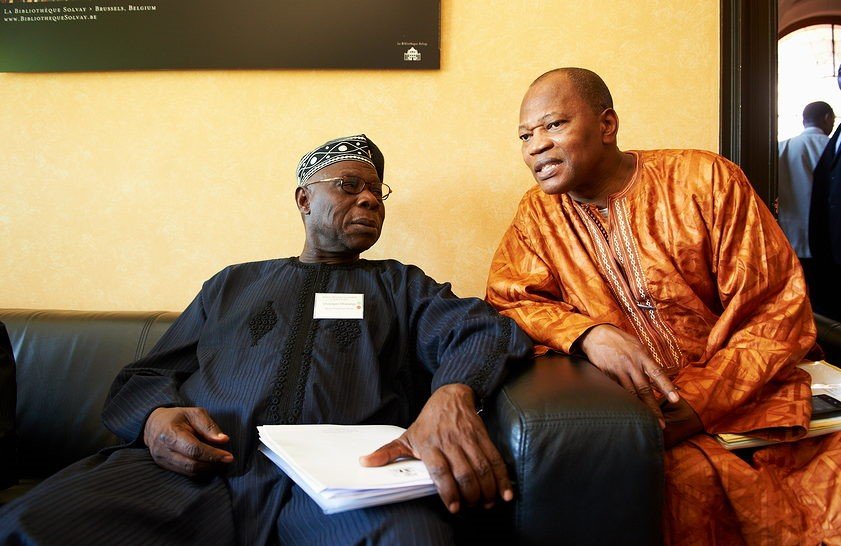
In a statement published on 30 October, Tinubu said his government intended to channel borrowing into infrastructure and productive assets rather than short-term consumption. He identified the Lagos–Calabar Coastal Highway, the Sokoto–Badagry Superhighway, power-grid improvements and upgrades to commercial ports as priority investments.
Tinubu argued that long-life infrastructure should be financed over long periods, provided projects produce measurable economic value, jobs and stronger trade links. The government says this approach is central to its stated ambition of building a $1 trillion economy by 2030.
The presidency also said public debt stood at 35.75 per cent of gross domestic product in the second quarter of 2026, while debt service accounted for about 65 per cent of revenue in the first half of the year.
Why the argument matters
Nigeria’s Debt Management Office has published its latest national public-debt figures for 30 June 2026, underlining the scale of the fiscal challenge facing Africa’s most populous country.
For many Nigerians, the debate is not abstract. Borrowing decisions affect how much public revenue remains for schools, hospitals, electricity, food systems, security and support for households facing high living costs.
Obasanjo’s intervention also carries political weight. During his civilian presidency from 1999 to 2007, Nigeria secured major Paris Club debt relief, making him a prominent voice in debates over debt sustainability.
Related DGBN reporting includes Tinubu sends six NMDPRA executive director nominees to the Senate.
The divide is therefore clear: Obasanjo is warning that borrowing can mortgage the future, while Tinubu insists that carefully structured loans can create the roads, power systems and industrial capacity needed to expand opportunity. The test will be whether borrowed funds translate into completed projects, transparent spending and tangible gains for Nigerian communities.