
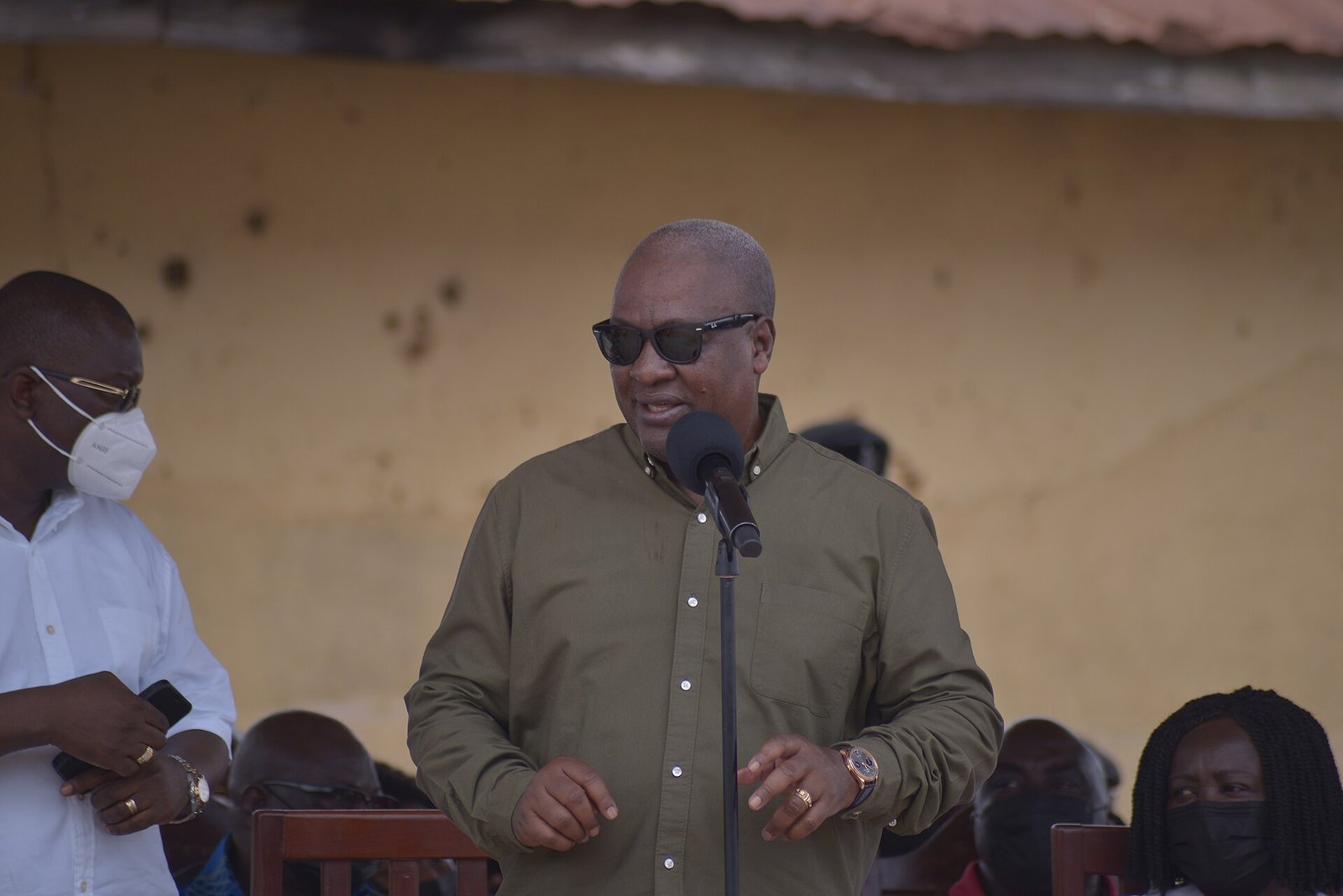
Ghana’s President John Dramani Mahama has welcomed Britain’s new openness to a formal apology for the transatlantic slave trade, but warned that an apology on its own will not settle the debt of history.
Main photo: Amuzujoe / Wikimedia Commons, CC BY-SA 4.0
In a statement issued on Sunday, 1 November, Mahama set out five areas Ghana wants on the table in any structured talks on reparatory justice with the United Kingdom, the African Union, CARICOM and the African diaspora.
He spoke in his capacity as the African Union’s Champion on Reparations and chair of the Global Advisory Panel on Reparatory Justice, roles that have made Accra the diplomatic centre of the continent’s reparations campaign.
A welcome, with conditions
The statement responds to Prime Minister Andy Burnham’s signal that Britain is willing to consider a formal state apology and open dialogue with affected communities, while ruling out financial reparations. DGBN reported on that shift earlier this week: Burnham opens door to UK slavery apology but rules out reparations.
Mahama praised the British position as a “bold, reflective, conciliatory, and honest reckoning”, saying it marked a break from years of denial and could open a path to healing. But he was clear that words cannot undo the injustices of enslavement, and acknowledged that Ghana and Britain do not yet see the issue the same way. There are “areas of strong disagreement”, he said, but those differences should not derail a shared goal.
Ghana’s five priorities
According to the statement, as reported by Citi Newsroom, Ghana wants any talks to cover:
- A formal apology for the transatlantic slave trade.
- An international commitment to dismantling systemic racism and Afrophobia.
- Targeted investment in education, science, youth empowerment, climate resilience and healthcare.
- The return of stolen cultural heritage, including artefacts held in foreign collections.
- Strategic development partnerships to tackle structural poverty and reform unfair global economic and debt arrangements.
On that final point, Mahama pointed to the Accra Reset and Barbados Prime Minister Mia Mottley’s Bridgetown Initiative, both of which push for an overhaul of how developing nations borrow and repay. He also named the Accra Next Steps Commitments, CARICOM’s Ten Point Plan and AU declarations as the frameworks that should guide any process.
The UN backdrop
The exchange follows a Ghana-led resolution at the United Nations recognising the transatlantic slave trade and the racialised enslavement of Africans as the “gravest crime against humanity”. Britain abstained on that vote, which makes London’s new tone all the more notable to campaigners.
Mahama closed by saying Ghana was ready to walk “this road” in full partnership with the AU, CARICOM and the UK in pursuit of justice, reconciliation and a world free of racism and discrimination.
Why it matters
For Black communities from Accra to Kingston to London, a British government even discussing a state apology marks a significant shift. Britain’s refusal to discuss money remains the sticking point. Ghana’s list shows the movement is not waiting for a cheque alone: it is pressing for investment, debt reform, the return of artefacts and action on racism. Whether London engages on those terms will decide if this moment becomes a turning point or another missed chance.