
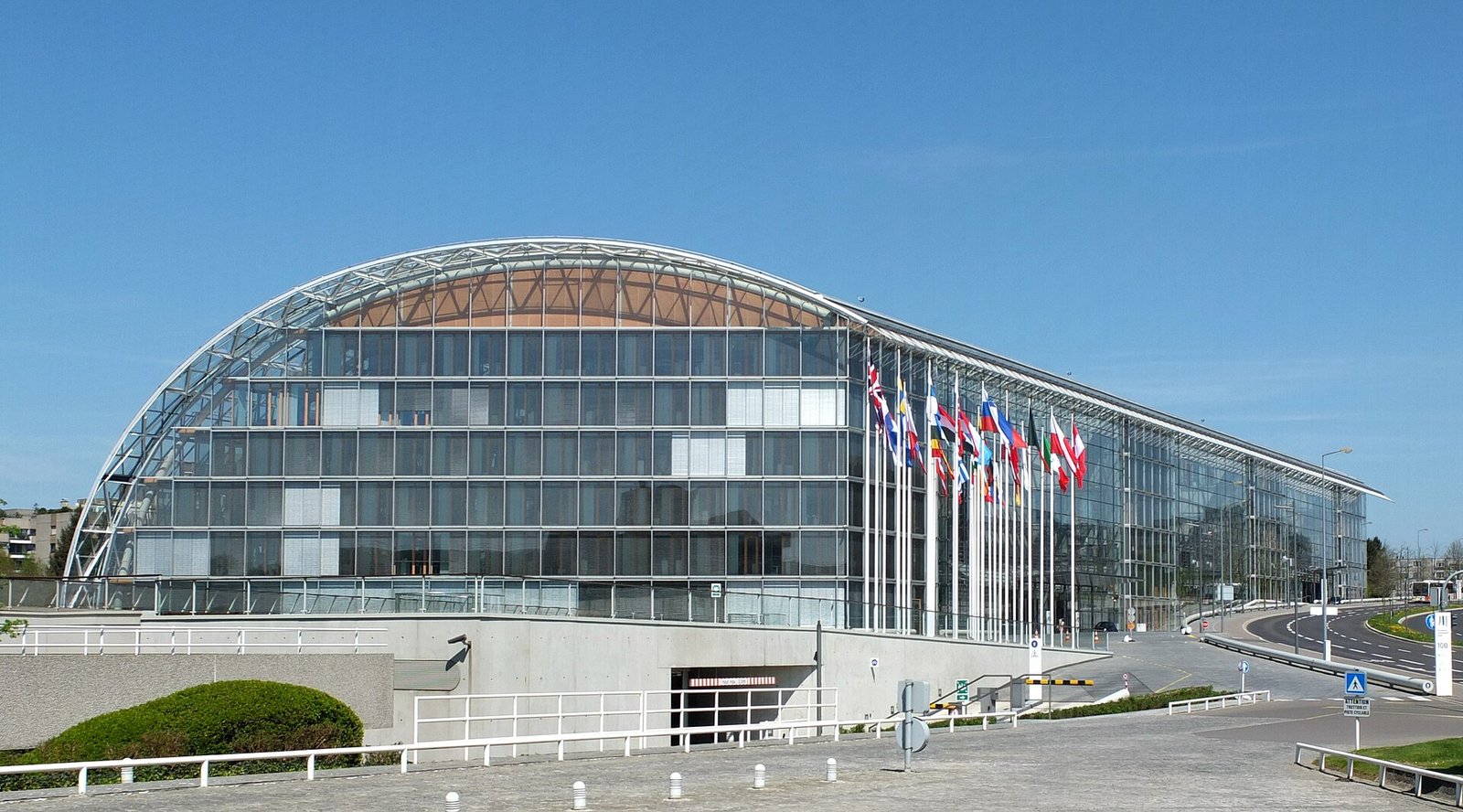
Photo: Palauenc05 / Wikimedia Commons, CC BY-SA 3.0
Africa does not simply need more investment pledges; it needs financing systems that can turn available capital into bankable projects, the European Investment Bank has said.
Focus on delivery
Jim Hodges, the EIB’s head for Southern Africa and the Indian Ocean, made the case at the Kgalema Motlanthe Foundation’s Drakensberg Inclusive Growth Forum in South Africa on 31 October.
DGBN has also reported on Morocco overtakes South Africa in RMB’s African investment ranking.
Hodges said development finance institutions, governments and private investors must work more closely to close the gap between capital looking for returns and projects capable of delivering jobs and economic growth.
His argument is significant for African economies where infrastructure, energy, water, transport and digital projects can remain stalled not only by a lack of money, but by weak preparation, unclear risk assessments and limited capacity to take schemes from concept to finance-ready investment.
The EIB says its Africa-focused project delivery facility is designed to address this final preparation stage for strategic infrastructure investments, including projects in energy, mobility, digital services and healthcare.
Risk perceptions remain a barrier
Hodges pointed to the Global Emerging Markets Risk Database, a pooled lending database involving development finance institutions and multilateral lenders, as evidence that investor perceptions of African and emerging-market risk can be challenged with better data.
The EIB reported in October that its latest GEMs figures cover lending data over more than three decades. For private lending across emerging markets and developing economies, the reported average annual default rate was 3.29% between 1994 and 2025, while the average recovery rate on defaulted contracts was 69.8%.
For more context, read DGBN’s coverage of Nigeria’s data-localisation drive tests whether sovereignty can go beyond server space.
Earlier data cited at the forum placed private-sector defaults at about 3.5%, with recoveries near 73%. The figures do not remove commercial risk, but they can help banks, pension funds and insurers make decisions based on lending outcomes rather than broad assumptions about African markets.
For Black communities across the continent, that distinction matters: an inflated perception of risk can raise borrowing costs, narrow the pool of available finance and leave essential public services and locally owned businesses underfunded.
Beyond loans alone
Hodges also argued that money is not sufficient on its own. He cited the EIB’s support across Africa for electricity grids, transport corridors, water systems and undersea cables, as well as financing for small and medium-sized enterprises.
He highlighted Malawi’s Kulima agricultural finance initiative as an example of a wider approach, where financial support is paired with assistance to strengthen small businesses and improve their access to markets and buyers.
That model speaks directly to a persistent challenge for African entrepreneurs: many viable enterprises are too small or too informal to satisfy conventional bank lending requirements, while grants alone may not build a durable business.
The EIB’s message is that development finance should use guarantees, advisory support, stronger regulation and credible procurement systems alongside loans and investment. The goal is to reduce avoidable risk, crowd in private capital and ensure that infrastructure and enterprise finance reaches the people and communities expected to benefit.
A partnership question
Hodges said Europe has an interest in reliable partners, diversified supply chains and new markets, while South Africa and other African economies need investment, technology, skills and market access to move further up the value chain.
Related DGBN reporting includes Egypt and BADEA explore wider investment drive across Africa.
For wider context, see Ivory Coast 0-1 Cameroon: Nsongo wins it for the Indomitable Lions on Diajem Sports Network.
The test will be whether that shared interest produces transparent, locally beneficial projects rather than another cycle of announcements that fail to reach construction sites, businesses and workers.