
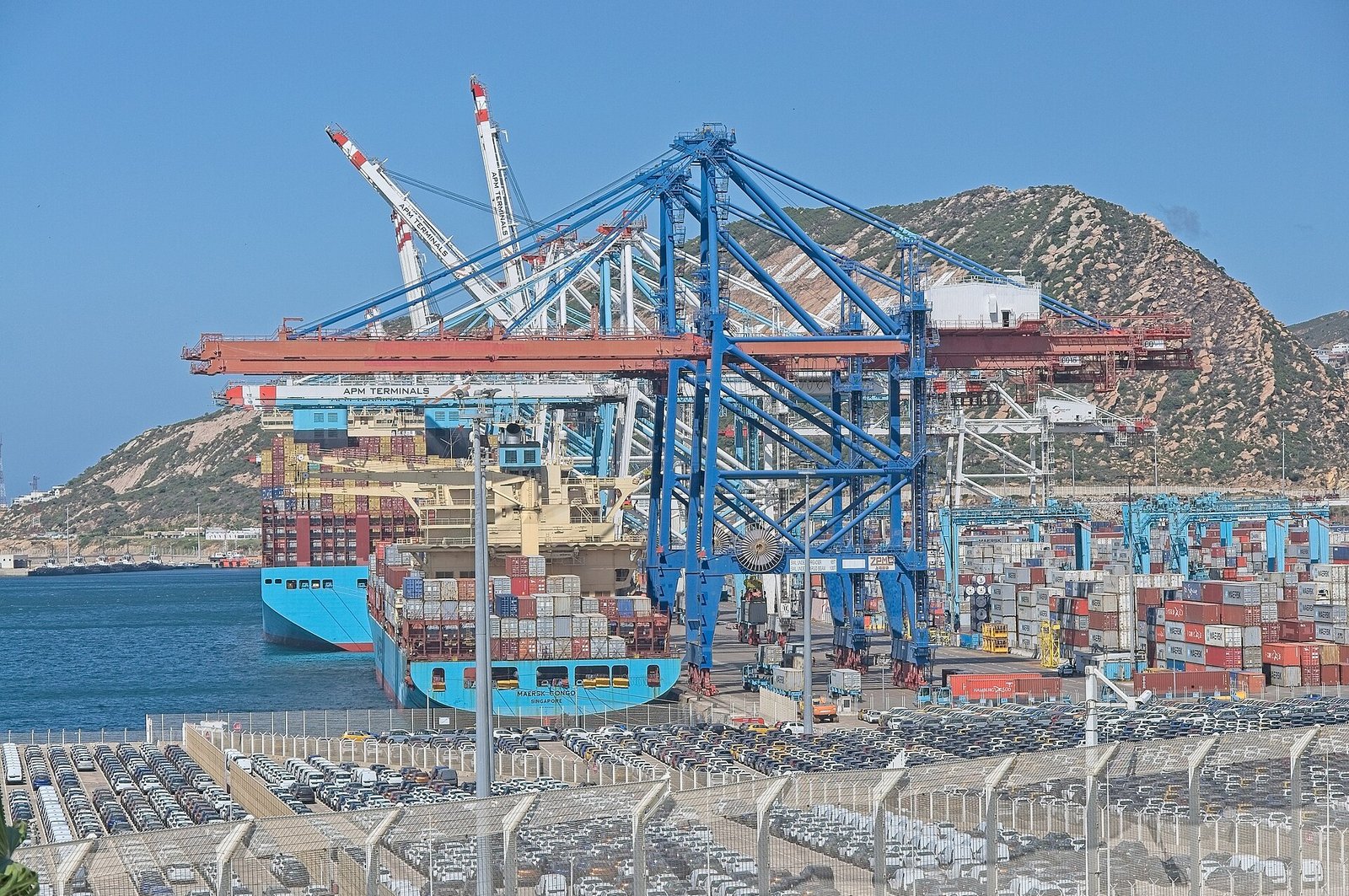
Photo: Bertrand SOUBEYRAND / Wikimedia Commons, CC BY-SA 4.0
Morocco has moved ahead of South Africa as Africa’s fourth-most attractive investment destination in Rand Merchant Bank’s latest continental ranking, sharpening the pressure on Pretoria to turn reform promises into growth.
A shift in Africa’s investment map
RMB’s Where to Invest in Africa report, released on 27 October, ranks Seychelles first, Mauritius second and Egypt third among 31 assessed markets. Morocco rose from fifth to fourth, while South Africa fell from fourth to fifth.
DGBN has also reported on Senegal fight for AFCON crown at sport’s highest court as CAS decision nears.
The bank evaluates countries through measures covering economic performance, market accessibility and innovation, investment conditions, and social and human development. That means the result is not a simple league table of GDP size or foreign investment flows; it is an assessment of the wider environment investors encounter.
Morocco’s advance matters because South Africa remains the continent’s most developed industrial economy and has a far larger economic base. Yet the ranking suggests that scale alone is no longer enough to secure capital when competing countries are moving faster on logistics, industrial strategy and exports.
Manufacturing momentum lifts Morocco
RMB attributes Morocco’s stronger position to years of industrialisation, export diversification, infrastructure investment and relative macroeconomic stability. Automotive production has been central to that drive, with factories and supplier networks linked to European markets helping build Morocco into a major manufacturing platform.
The report says Morocco’s economy grew by 4.9% in 2025, compared with 1.1% for South Africa. It also points to lower inflation and improving foreign direct investment momentum as advantages for the North African economy.
For more context, read DGBN’s coverage of Senegal take AFCON title fight to sport’s highest court.
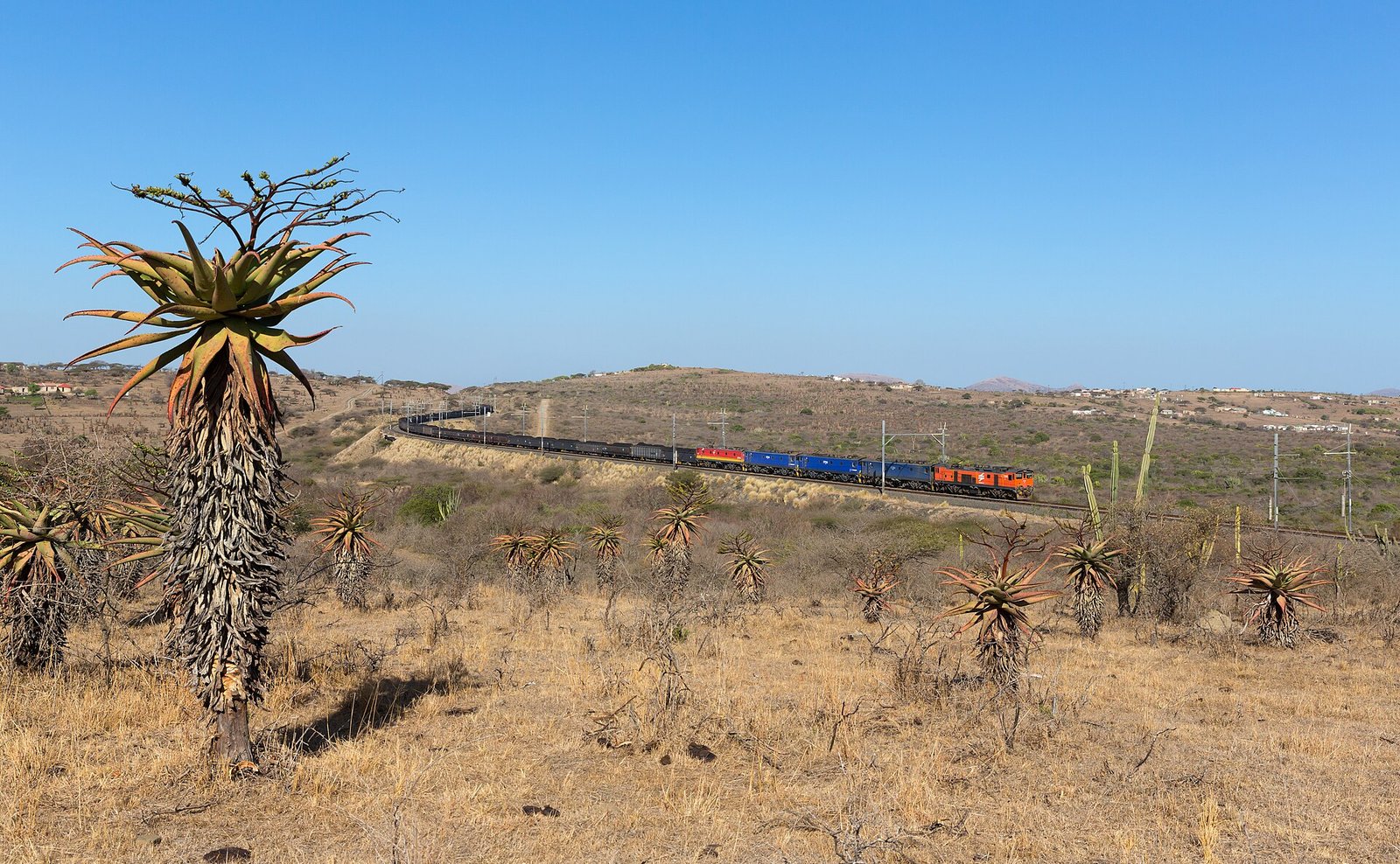
For Black workers and entrepreneurs across the continent, the lesson is not merely about one national ranking. Countries that connect industrial policy to transport, power, skills and export markets are better positioned to attract investment that can support higher-value jobs rather than only commodity extraction.
South Africa’s structural constraints
South Africa retains major strengths: deep financial markets, a mature industrial base, sophisticated companies and a large consumer economy. RMB cautions that the best destination depends on the investor, sector and business model rather than a single overall ranking.
But the report highlights persistent obstacles, including weak growth, electricity constraints and logistics disruption. These pressures raise operating costs and make it harder for manufacturers and exporters to plan with confidence.
The contrast is particularly sharp in automotive manufacturing. South Africa still has substantial production capacity and longstanding global links, but Morocco has used coordinated policy and infrastructure to become a more aggressive competitor for future investment.
A warning, not a final verdict
The ranking does not mean South Africa has ceased to be investable. Instead, it illustrates an increasingly competitive African economy in which other countries are building credible alternatives for investors.
Morocco’s rise is a warning that industrial strength can erode if electricity, ports, rail freight and policy execution fail to keep pace. For South Africa, the next test is whether ongoing reforms can deliver visible gains quickly enough to protect jobs, exports and its place in continental value chains.
Related DGBN reporting includes Africa’s financial power map shifts as local capital and new banking hubs rise.
For wider context, see Ivory Coast 0-1 Cameroon: Nsongo wins it for the Indomitable Lions on Diajem Sports Network.
For Africa more broadly, the development shows that investment competition is becoming more sophisticated. The winners will be countries able to convert natural and human resources into dependable production, trade and opportunity.