
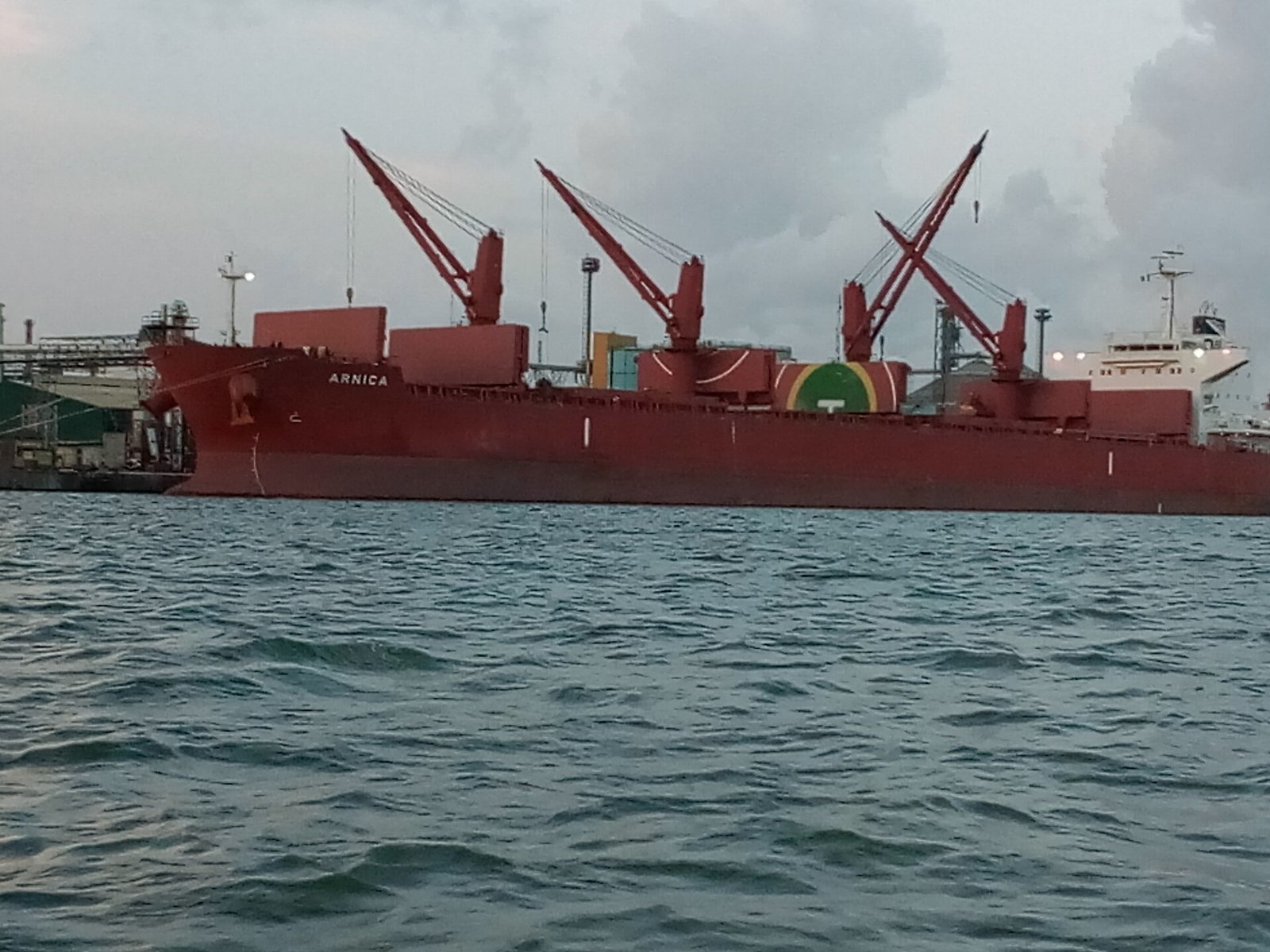
Photo: Quadrex24 / Wikimedia Commons, CC BY-SA 4.0
Nigeria could miss major African trade opportunities unless it modernises its ports and clears cargo faster, a leading terminal operator has warned.
Warning at Nigeria Economic Summit
Koen De Backker, chief executive of APM Terminals Nigeria, made the case during a session on regional growth corridors and the African Continental Free Trade Area at the 32nd Nigerian Economic Summit in Abuja.
DGBN has also reported on EIB calls for finance system that turns African capital commitments into projects.
He said port efficiency is central to Nigeria’s ability to move imports and exports competitively, cut logistics costs and build prosperity through trade. The summit, held on 26 and 27 October, focused on turning economic reform into jobs, productivity and shared prosperity.
De Backker said ageing infrastructure, limited capacity and containers remaining in terminals for too long were restricting the flow of goods. When import cargo cannot leave a terminal quickly, he argued, space for incoming ships and exports is reduced, deepening delays across the supply chain.
Rail and barges seen as part of the answer
The APM Terminals chief called for stronger links between ports and inland markets, particularly through rail and barge transport. He cited the company’s logistics operation in the Ibadan area, where export goods can be consolidated into containers and transferred by rail towards the port, reducing reliance on already pressured roads.
That connection matters beyond Lagos. Nigeria’s manufacturers, farmers and small exporters need affordable, predictable routes to reach buyers across Africa. For Black businesses seeking to use AfCFTA to expand into neighbouring markets, high transport costs and port delays can erase the advantage of tariff preferences.
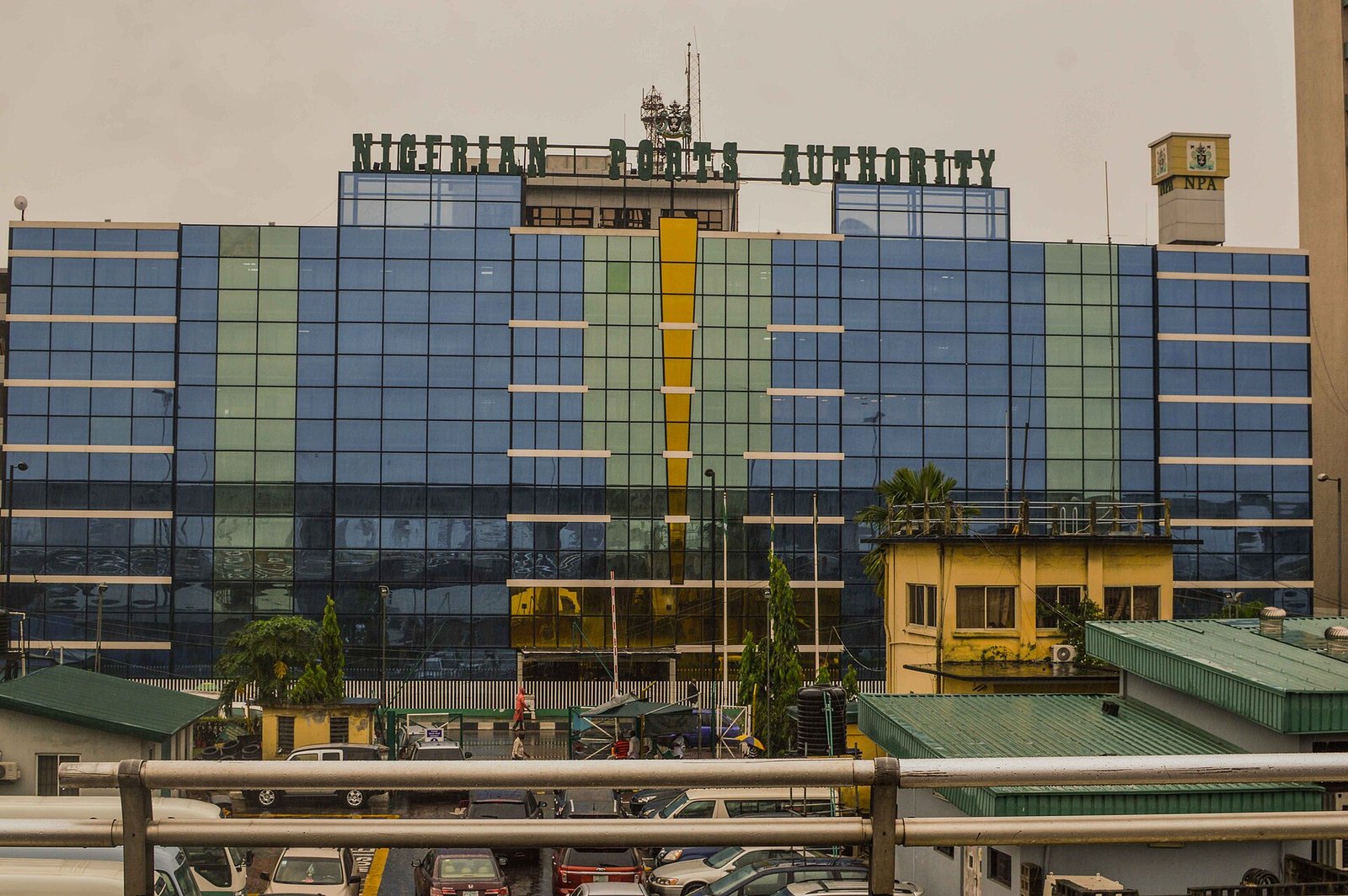
For more context, read DGBN’s coverage of Africa Energy Bank launches in Abuja with $5bn mandate for continent’s energy projects.
The warning comes as Nigeria seeks to build a more geographically balanced port network. The Federal Government has recently approved upgrades for Onne, Rivers, Delta and Calabar ports, alongside earlier plans for Apapa and Tin Can Island in Lagos. Officials say the programme is intended to spread economic activity, improve capacity and reduce pressure on the Lagos corridor.
Modernisation needs coordination, not construction alone
De Backker said infrastructure investment must be matched by technology, specialist skills and practical cooperation between terminal operators, the Nigeria Customs Service, clearing agents and other government bodies.
He pointed to cargo scanning as an example of how coordinated processes can reduce reliance on physical examinations and shorten clearance times. A 2024 Nigerian Shippers’ Council report also identified lengthy cargo dwell times at some Lagos terminals as a continuing operational concern.
Private-sector participation, De Backker said, should not be treated simply as privatisation. In his view, it can bring the equipment, operational systems and technical capacity required to raise service standards.
Why it matters
Nigeria has the population, market scale and location to be a major gateway for West and Central African commerce. But regional rivals are also investing in ports, logistics parks and deep-water capacity.
Related DGBN reporting includes Sanwo-Olu walks the runway for Ugo Monye at Lagos Fashion Week.
For Nigeria, port reform is therefore not just a shipping issue. It is tied to whether local producers can export competitively, whether consumers face lower costs, and whether the country captures more jobs and value from Africa’s growing internal trade.