
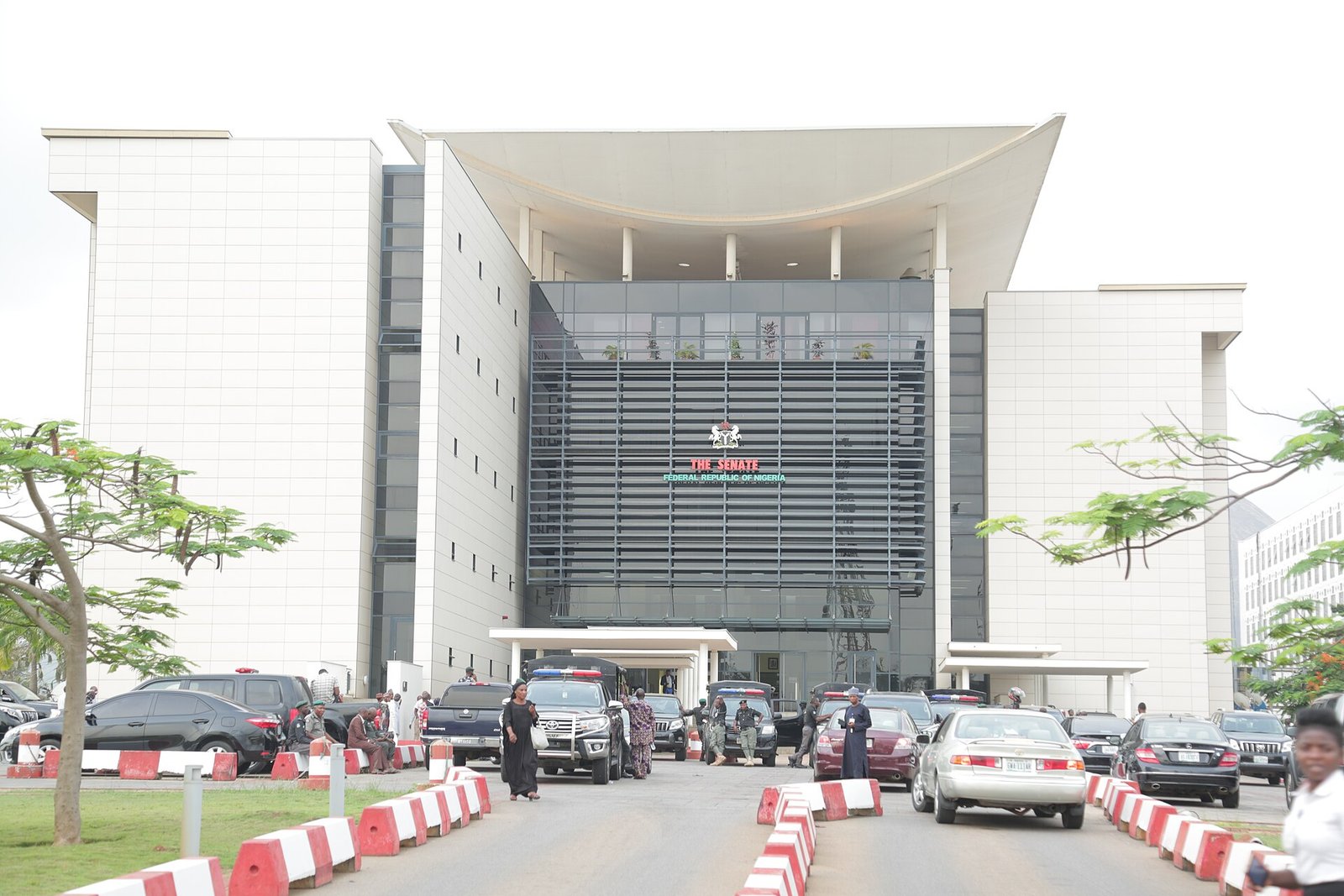
Nigeria’s lawmakers want to create 74 new federal legislative seats reserved for women, a bold bid to fix one of the lowest levels of female political representation in Africa.
Main photo: Kabusa16 / Wikimedia Commons, CC BY-SA 4.0
What is being proposed
Senate Leader Opeyemi Bamidele set out the plan on Monday at the 2026 Law Week of the International Federation of Women Lawyers (FIDA) in Ekiti State, according to Punch.
Under the proposal, which forms part of the ongoing review of the 1999 Constitution, the Senate and the House of Representatives would each gain 37 special seats. That would give every state and the Federal Capital Territory one extra women-only seat in each chamber.
The constitution review committee, of which Bamidele is vice chairman, has also proposed three additional women-only seats in each state House of Assembly. None of the new seats would displace existing elected lawmakers.
A 16-year sunset clause
The arrangement would run for 16 years, covering four electoral cycles, before a full review. Bamidele described this as a sunset clause intended to give a more inclusive political culture time to take root.
He insisted the bill was “not a partisan endeavour” but a “historic imperative”, arguing that a democracy which shuts more than half its population out of decision-making is flawed at best. He credited advocacy from senior figures, including First Lady Senator Oluremi Tinubu, with strengthening the 10th National Assembly’s resolve.
The hurdles ahead
Any constitutional amendment in Nigeria needs the backing of two-thirds of both federal chambers and approval from at least 24 of the 36 state Houses of Assembly. Bamidele said lawmakers were “actively and strategically engaging” the state assemblies, whose agreement he called essential.
Previous efforts to create special seats for women have stalled. Gender bills failed during the last constitution review in 2022, prompting protests by women’s groups outside the National Assembly in Abuja.
The timing is also sensitive. With the 2027 general election approaching and the Assembly already weighing major items such as President Tinubu’s $21.7bn borrowing request, campaigners will be watching whether the reform gets through in time to shape the next ballot.
Why it matters
Nigeria is Africa’s most populous nation and the largest Black-majority country in the world, yet women hold only a small fraction of its federal legislative seats. Countries such as Rwanda, Senegal and South Africa have used quotas or reserved seats to transform representation. If Nigeria follows, it would send a powerful signal across the continent and to Nigerian women in the diaspora who have long pressed for a louder voice at home.