
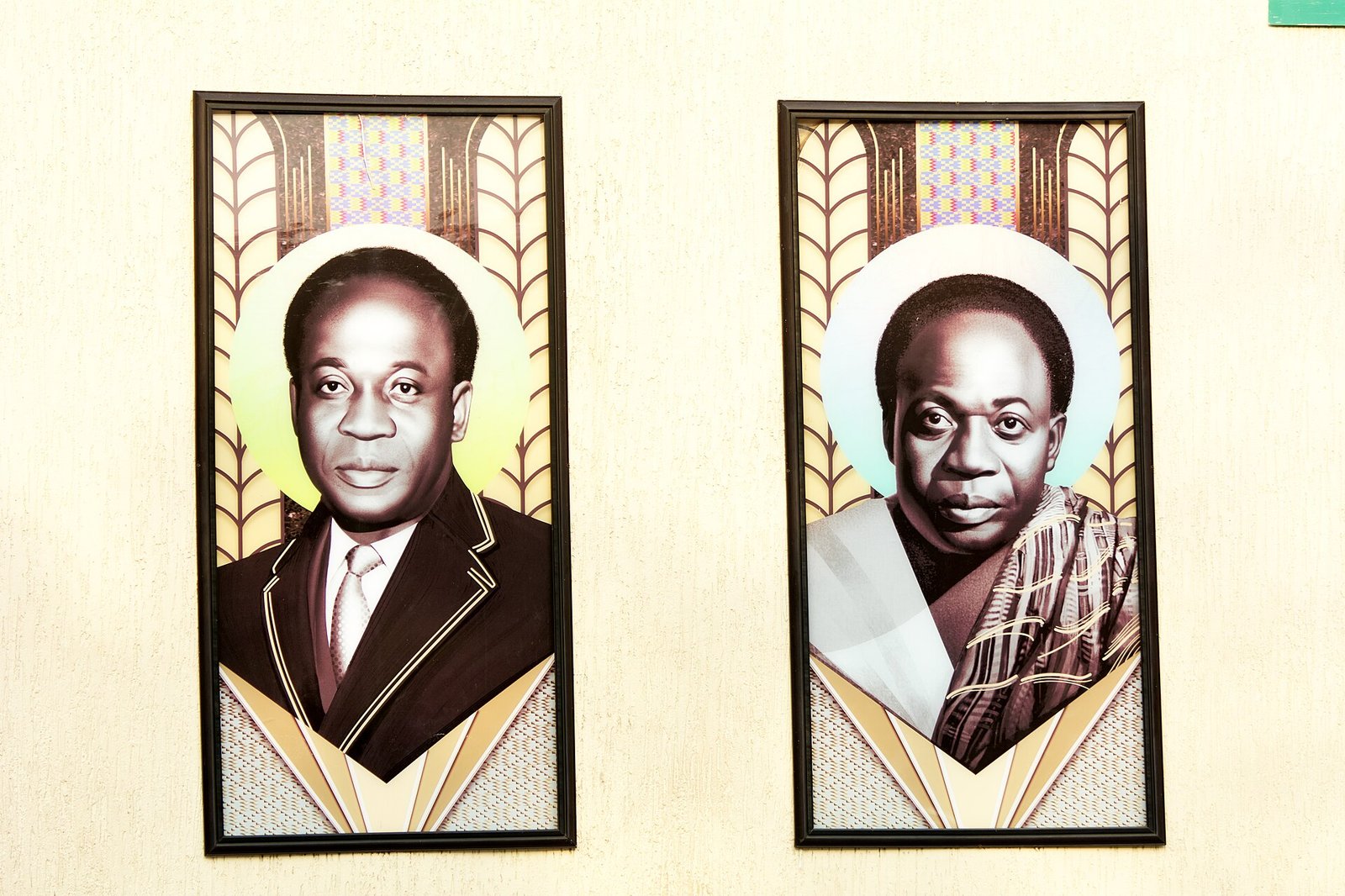
Photo: Kwameghana(Bright Kwame Ayisi) / Wikimedia Commons, CC BY-SA 4.0
Victoria Hamah’s new commentary places President John Dramani Mahama’s Accra Reset in the long political tradition of Kwame Nkrumah’s demand for African self-determination.
A modern argument for strategic autonomy
Writing on Tuesday, Hamah argues that African states must use a more multipolar world to widen their options, rather than exchange one form of dependency for another. Her central case is that political independence has not consistently translated into economic power, particularly where countries remain reliant on external finance, imported manufactured goods and donor-led development programmes.
DGBN has also reported on Holness leads Jamaica at Commonwealth summit in Antigua despite post-Melissa travel freeze.
The article draws a line from Nkrumah’s doctrine of non-alignment to the Accra Reset, a Ghana-led initiative which calls for development partnerships built around national ownership, productive capacity and stronger domestic institutions.
That framing reflects the stated direction of the initiative. Ghana’s presidency says the Accra Reset was launched at the UN General Assembly in October 2025 to rethink global development finance and cooperation, with health sovereignty as an early focus. (presidency.gov.gh)
Beyond choosing sides
Hamah’s intervention comes as African governments face intensified competition among major powers for minerals, markets, diplomatic support and strategic influence. She argues that engagement with China, Russia, India, Europe and the United States should be judged by whether it builds local industry, transfers skills and retains greater value within African economies.
For more context, read DGBN’s coverage of Mahama sets five-point agenda for UK reparatory justice dialogue.
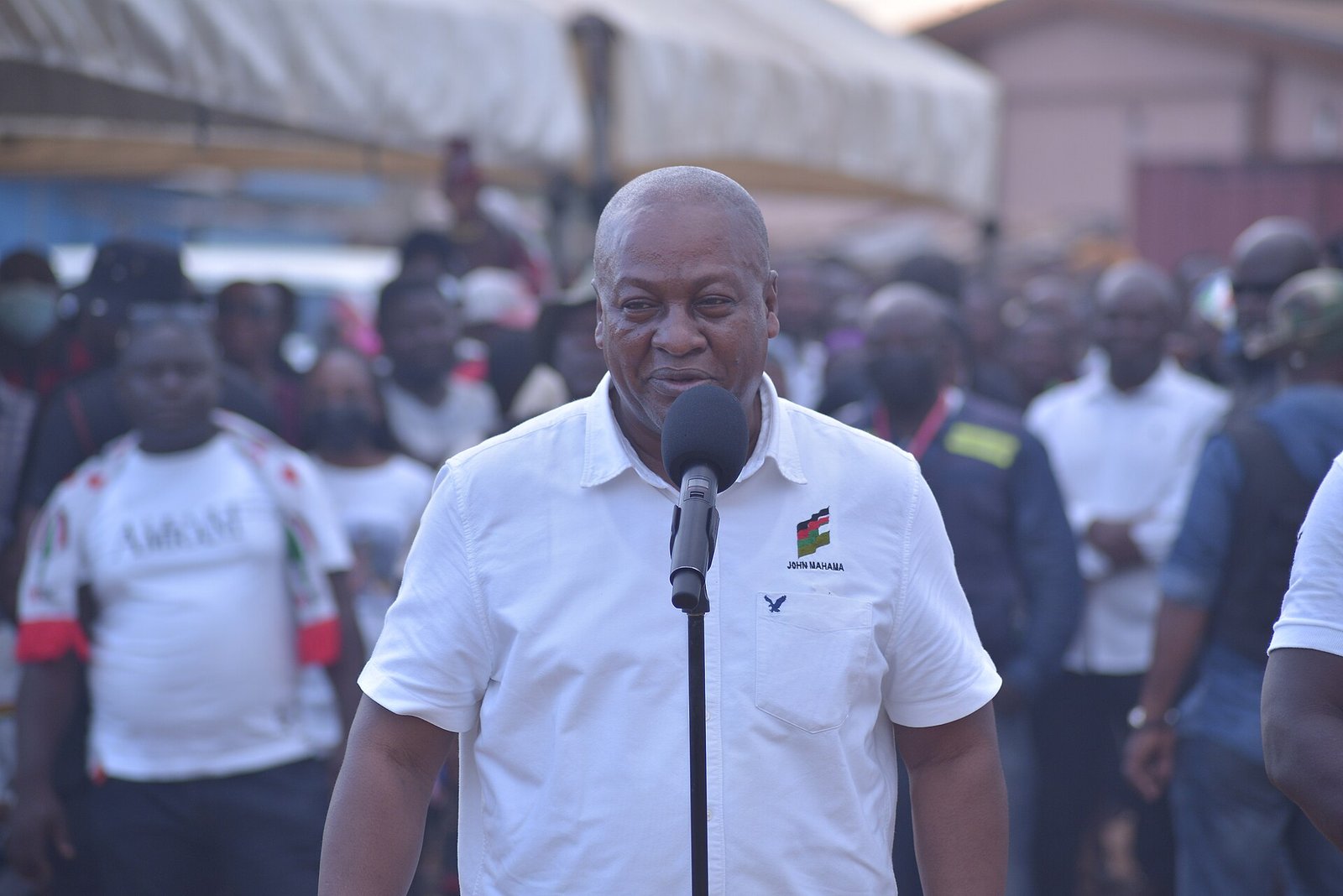
That is distinct from isolationism. In September, Mahama described the Accra Reset as a call for more balanced partnerships rather than a withdrawal from international cooperation. He said sovereignty meant the practical capacity to set priorities, negotiate effectively, mobilise resources and deliver on national decisions. (presidency.gov.gh)
The Ghanaian President has also tied the agenda to domestic manufacturing, particularly in medicines, alongside regional market access and stronger public systems. (presidency.gov.gh)
AfCFTA remains central
The commentary identifies continental integration as essential to turning diplomatic ambition into economic leverage. That places the African Continental Free Trade Area at the heart of the debate: a larger African market can support regional value chains, but only if governments invest in infrastructure, industrial policy and cross-border production.
Mahama made a similar case at the Tana Forum in Ethiopia in October, calling for African economies to process more raw materials locally, strengthen food and energy sovereignty, and make AfCFTA an operational driver of shared prosperity. (gna.org.gh)
Why it matters
For Black communities across Africa and the diaspora, the debate is not abstract diplomacy. It concerns whether the continent’s minerals, young workforce and expanding markets generate durable jobs, public services and wealth at home—or continue to chiefly enrich external actors.
Related DGBN reporting includes Ghana Presses UK for Apology and Return of Looted African Heritage.
For wider context, see Ghana part ways with Carlos Queiroz after poor AFCON qualifying start on Diajem Sports Network.
Hamah’s article does not announce a new government policy. It is a political commentary. But it highlights the test facing Ghana and other African states: whether calls for sovereignty can become measurable gains in industrial capacity, fairer financing and collective African bargaining power.