
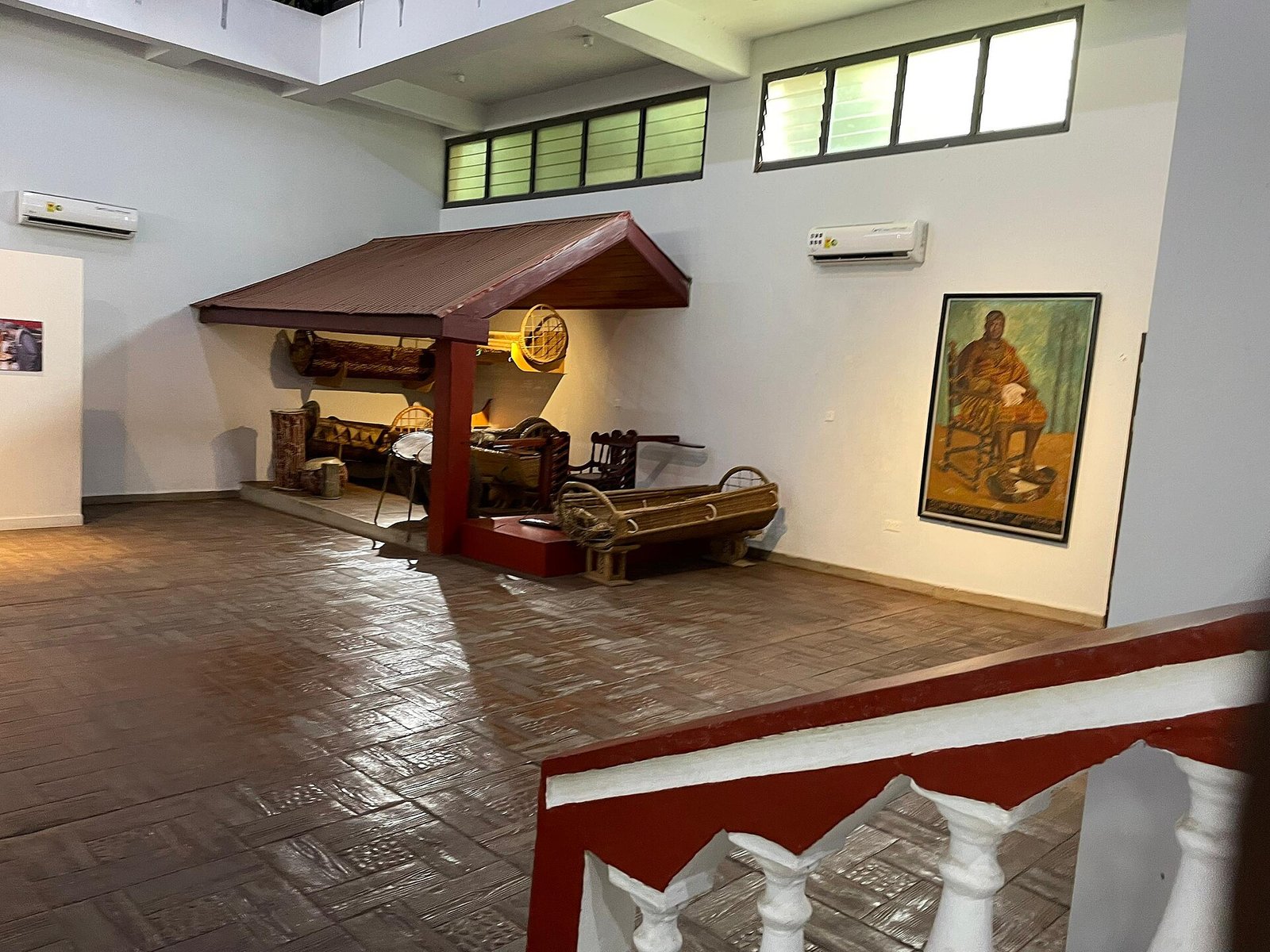
Photo: Collins Twum-Yeboah / Wikimedia Commons, CC BY-SA 4.0
Ghana has urged the United Kingdom to pair any formal apology for its role in the transatlantic slave trade with the return of looted African cultural heritage and a wider programme of reparatory justice.
Mahama sets terms for dialogue
President John Dramani Mahama issued the call on Sunday after UK Prime Minister Andy Burnham signalled an openness to a formal apology and structured discussions, while ruling out financial reparations.
DGBN has also reported on Tanzania opens $265m Government City as Dodoma consolidation advances.
Speaking as the African Union’s champion on reparations and chair of the Global Advisory Panel on Reparatory Justice, Mahama said Ghana welcomed the shift in language from London. But he stressed that acknowledgement alone cannot meet the scale of the harm caused by slavery and colonialism.
Ghana’s proposed agenda includes a formal apology; action against systemic racism and Afrophobia; investment in education, health, science, youth opportunities and climate resilience; the restitution of stolen cultural property; and development partnerships addressing poverty, debt and unequal global economic structures.
Mahama said talks should involve African states, CARICOM, the wider African diaspora and countries that benefited from chattel enslavement. He said differences over reparations should not prevent good-faith engagement.
Heritage is central, not symbolic
The demand for artefact restitution is rooted in Ghana’s own colonial history. British forces looted the Asante royal palace in Kumasi during 19th-century military campaigns, and many sacred and royal objects remain in overseas museums and private collections.
For more context, read DGBN’s coverage of Ghana braces for hotter, drier, dustier months as GMet warns of very strong El Niño.
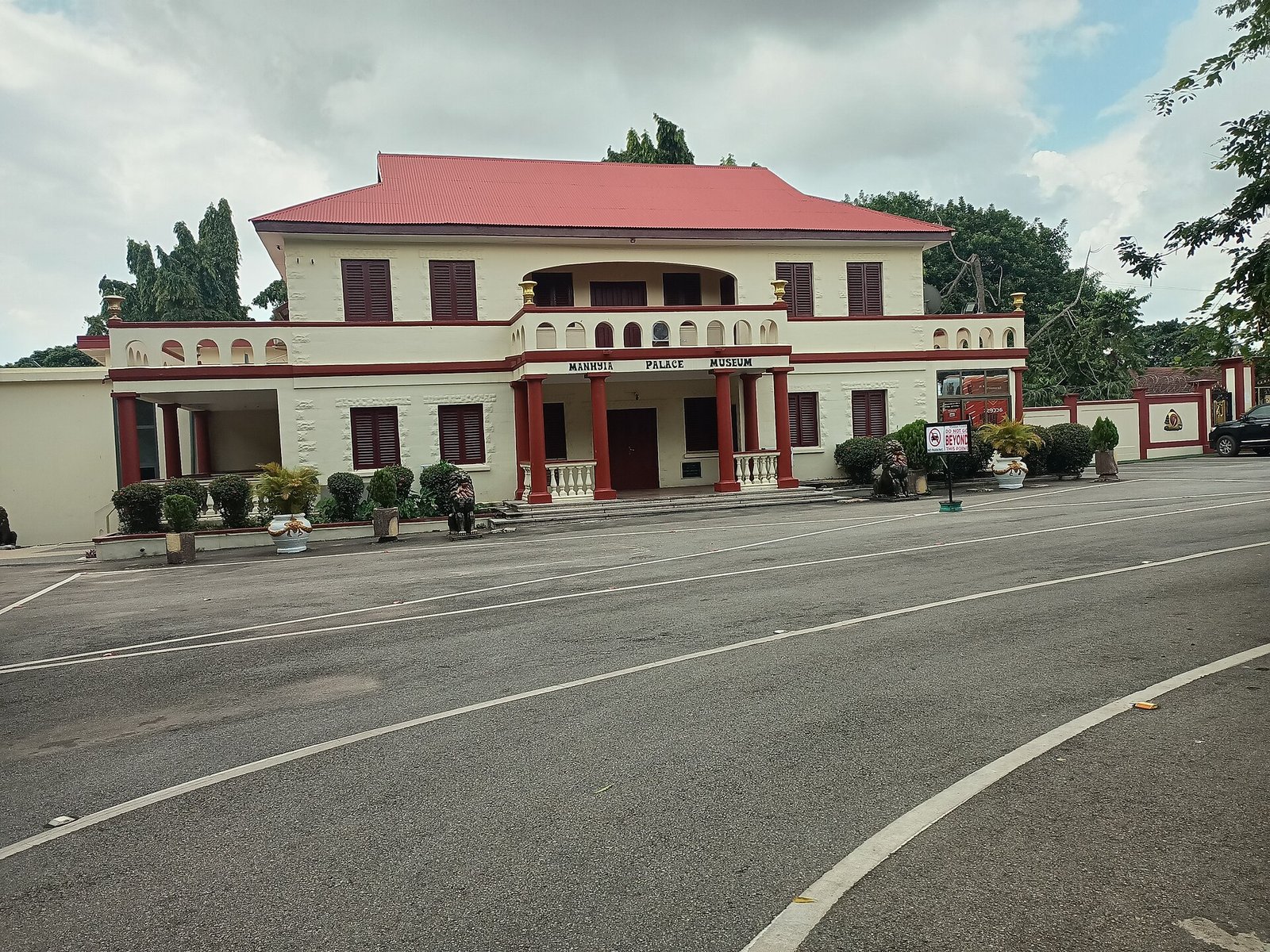
Some Asante regalia held by the British Museum and Victoria and Albert Museum returned to Ghana under loan arrangements in 2024. Ghanaian officials have argued that temporary loans do not resolve the question of ownership or the cultural and spiritual loss caused by colonial plunder.
In September, Mahama called for the unconditional return of African human remains, sacred objects and looted property, arguing that heritage is inseparable from the living memory and identity of the communities that created it.
A shared Africa-Caribbean agenda
Ghana’s position aligns with the Accra Next Steps Commitments, adopted at a June conference that brought together African and Caribbean voices on reparatory justice. The framework calls for formal apologies, accelerated heritage returns and international action to repair the lasting effects of enslavement and colonialism.
For Black communities across Africa, the Caribbean and the diaspora, the debate is about more than museum collections. It concerns who controls historical memory, whether the wealth and institutions built through African exploitation are honestly confronted, and what practical repair looks like today.
Burnham has expressed sorrow and regret for the suffering caused by Britain’s involvement in the trade in enslaved people. Caribbean leaders, including Barbados Prime Minister Mia Mottley, have welcomed the opening for dialogue while maintaining that reparatory justice must include progress on health, education, poverty, inequality and fairer debt terms.
Related DGBN reporting includes Mo Ibrahim warns Africa is copying the world’s strongmen as rights slide in 23 countries.
For wider context, see Ivory Coast 0-1 Cameroon: Nsongo wins it for the Indomitable Lions on Diajem Sports Network.
Ghana’s intervention makes clear that any future UK apology will be judged not only by its words, but by whether it produces restitution and lasting change.