
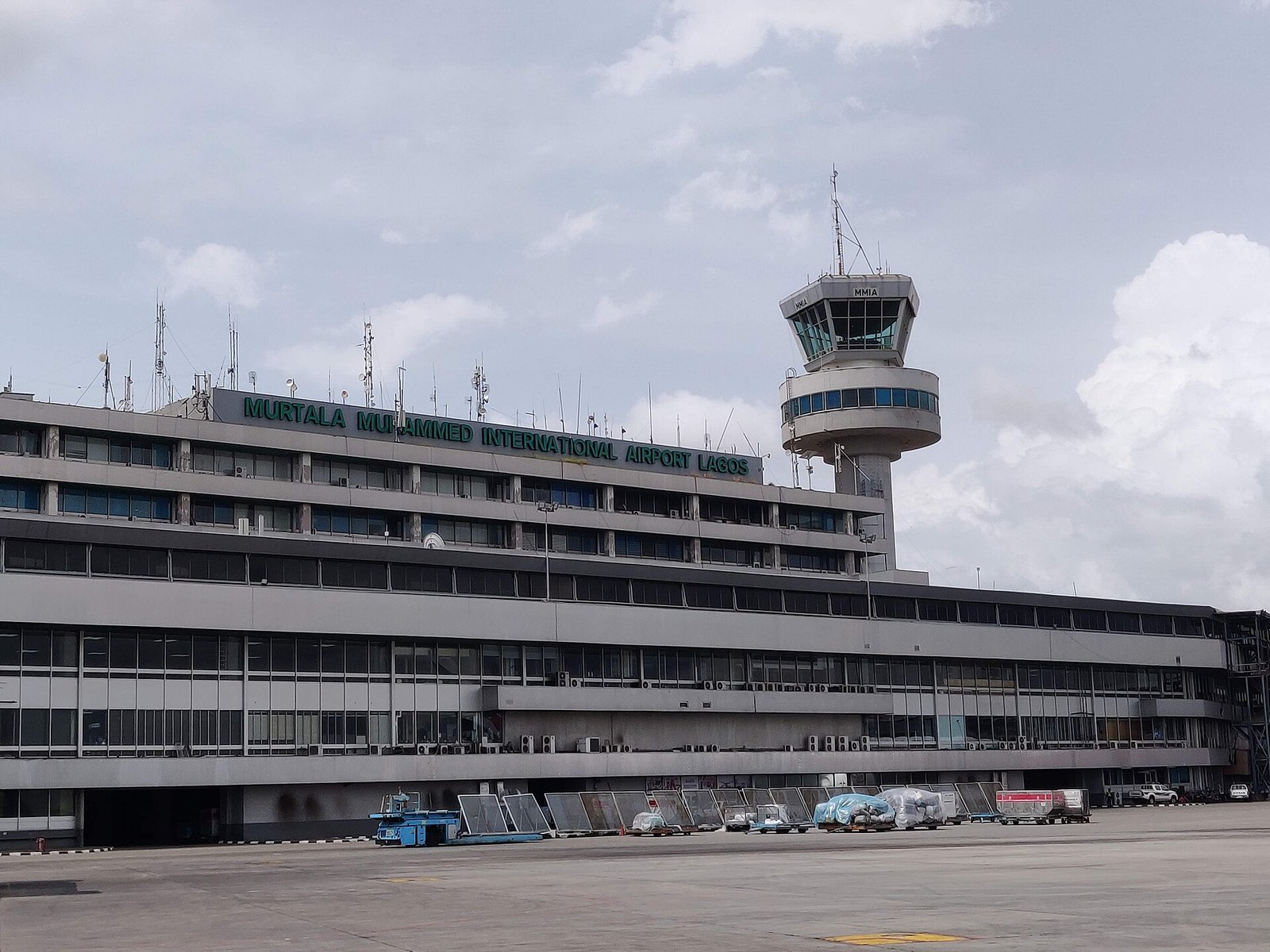
Photo: Sm105 / Wikimedia Commons, CC BY-SA 4.0
African travellers are projected to spend US$30.4 billion on outbound tourism by 2030, underlining the continent’s growing influence on the global travel economy.
Five markets at the centre of growth
The forecast comes from Africa in Motion: The Next Great Traveller, a Skift Advisory study commissioned by Millat Group and presented at World Travel Market London.
DGBN has also reported on Advocates urge Nigeria to open visa-free travel for Africans.
It focuses on Egypt, Ethiopia, Kenya, Nigeria and South Africa. Outbound trips from those markets are forecast to rise from 13.3 million in 2025 to 17.7 million in 2030, before reaching 19.4 million by 2035.
The US$30.4 billion projection represents estimated growth of about 61% over five years. The findings challenge a long-standing travel-industry habit of viewing Africa chiefly as a destination for overseas visitors rather than as a powerful source of travellers in its own right.
Nigeria’s high-spending travellers
Nigeria stands out in the research for the value of its outbound market. Although it ranks seventh among eight markets examined for the volume of departures, Nigerian travellers accounted for US$7.7 billion in outbound spending.
That was around 41% higher than South Africa’s total, despite Nigeria generating far fewer trips, according to the study. Skift said the difference reflects journeys driven by family connections, faith, education and business, as well as leisure.
For Black communities across the diaspora, this matters because African travellers are increasingly shaping demand for airlines, hotels, retail, universities and tourism services across Europe, the Gulf, North America and the Caribbean. The commercial value of these journeys should translate into more services designed around African travellers’ actual routes, needs and purchasing power.

For more context, read DGBN’s coverage of Elevate Africa calls for African creators to own more of the value they generate.
Connectivity remains a major constraint
The report also highlights structural barriers that can make travel within Africa more expensive and less convenient than journeys outside the continent.
About 40% of international arrivals in Africa are intra-African, yet only about 19% of routes within the continent have direct flights, according to the research. Many passengers travelling between neighbouring countries must connect through hubs outside Africa.
Airport costs are another pressure point. The study puts average international taxes and charges paid by passengers leaving African airports at US$68, compared with US$32 in Europe. In West Africa, the average was reported at US$109.50.
African airlines also face tight margins. The study said carriers on the continent made an average profit of US$0.90 per passenger in 2024, versus US$15.20 for Middle Eastern airlines.
Opportunity needs investment
The research argues that better direct air links, more affordable financing and a broader supply of midscale and economy hotels are essential if the sector is to meet demand. Africa’s hotel pipeline is weighted towards luxury development, with only 14 of 168 brands holding signed deals in economy or midscale segments, it said.
The Middle East is likely to remain important in the near term: around 28% of South African connecting traffic bound for Europe travels via Gulf hubs. But the scale of the forecast strengthens the case for African governments, airlines and investors to build stronger continental networks rather than allowing travellers to depend on long detours.
Related DGBN reporting includes Gauteng’s city halls take centre stage in South Africa’s local election battle.
The study drew on more than 14,000 consumer responses across 14 international source markets, alongside aviation analysis, travel modelling and interviews conducted between December 2025 and July 2026.