
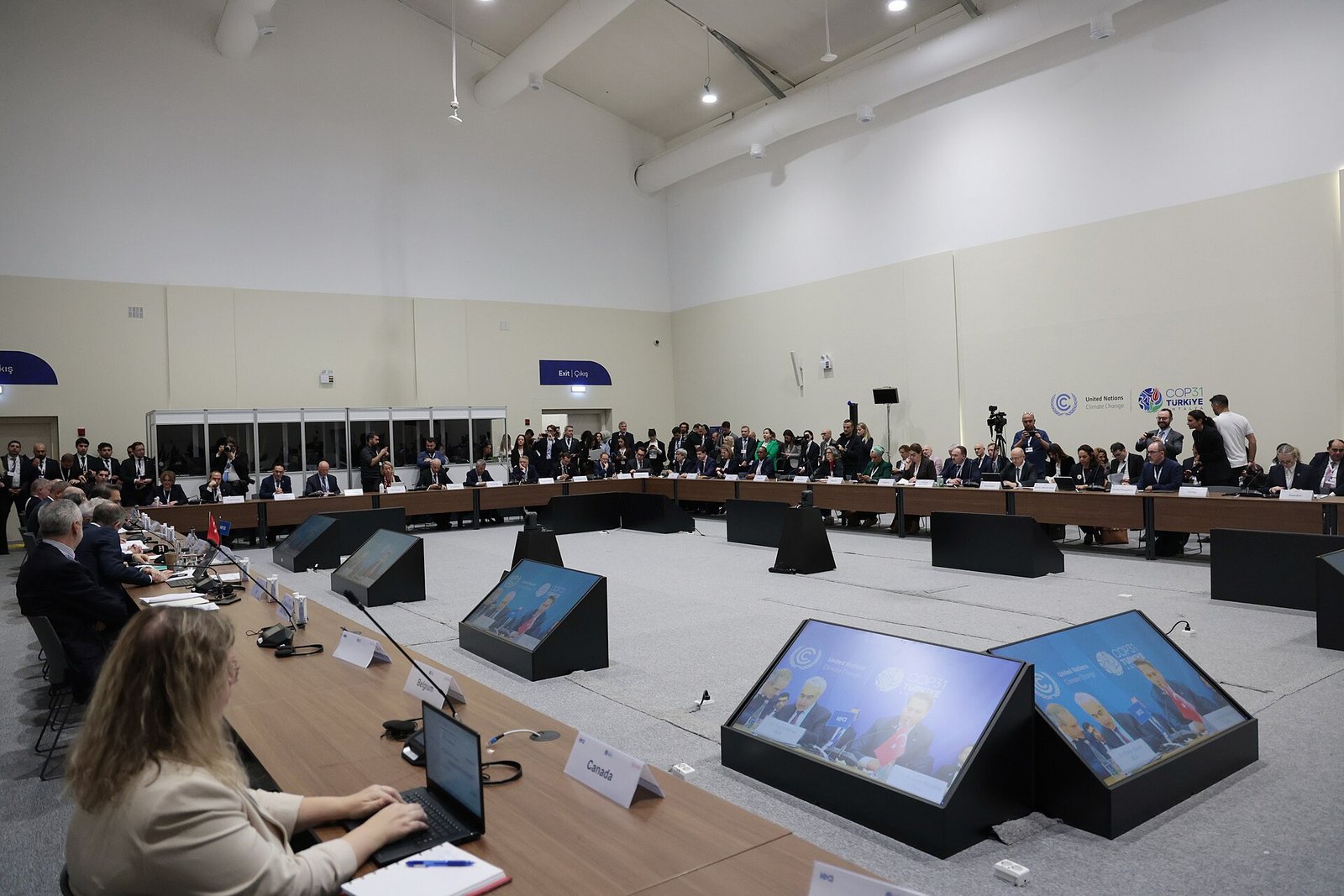
Photo: © European Union, 2026 / Wikimedia Commons, CC BY 4.0
Ghana’s choices at COP31 matter at home because climate finance could determine whether essential resilience projects are paid for through affordable external support or heavier pressure on the national budget.
Talks in Antalya meet budget reality in Accra
The COP31 UN climate conference is under way in Antalya, Türkiye, running from 9 to 20 November. Ghana is entering the negotiations while Finance Minister Dr Cassiel Ato Forson is due to deliver the 2027 Budget Statement to Parliament on 12 November.
DGBN has also reported on Ghana raises daily minimum wage to GH¢25.04 for 2027 in two-year deal.
That overlap is more than a diary coincidence. Climate impacts already carry a growing fiscal cost. Flood damage can force emergency spending on roads, drains, homes and public services, while erratic rainfall threatens farming communities, food prices and export income.
The Bank of Ghana’s 2025 Financial Stability Review projects annual flood losses could reach about US$200 million by 2050. It also warns that climate damage could weigh heavily on national output under high-emissions scenarios, while heat stress and worsening rainfall patterns could hit agricultural labour and rural incomes.
Finance, not promises, is the central issue
Ghana’s negotiating team is seeking predictable and accessible funding for adaptation, resilience and climate action. The African Group of Negotiators, chaired by Ghanaian official Nana Dr Antwi-Boasiako Amoah, is pressing wealthy countries to meet their climate-finance obligations, including stronger adaptation support and replenishment of the Green Climate Fund.
For Ghana, the point is practical. Investment in flood prevention, climate-resilient water systems, clean energy, coastal defences, disaster preparedness and sustainable agriculture requires large up-front resources. If grants and concessional finance are delayed or inadequate, government may face a harder choice between borrowing, raising revenue, cutting elsewhere or postponing vital projects.
For more context, read DGBN’s coverage of Ghana urges ITU to deliver measurable action on Africa’s digital divide.
Ghana’s updated climate plan for 2025 to 2035 is estimated to require US$53.3 billion. The scale of that figure makes clear that public funds alone cannot deliver the country’s climate agenda.
What the 2027 budget should show
The budget does not need to wait for a final COP31 agreement to make climate resilience a core economic priority. It can set out transparent spending plans, identify projects ready for external financing and show how domestic resources, private capital and international climate funds will be brought together.
That means treating adaptation as economic protection rather than a narrow environmental expense. Better drainage and flood controls protect businesses and transport links. Resilient farming safeguards food supplies and the livelihoods of growers. Coastal protection is also a defence of homes, fisheries and local economies.
Ghana has an opportunity to use its diplomatic role to secure a fairer deal, but climate diplomacy will only matter if it translates into money that communities can see at work.
Why it matters for Black communities
Across Africa and the wider Black diaspora, countries with the smallest historical contribution to global emissions are frequently among those most exposed to climate shocks. Ghana’s push at COP31 therefore reflects a wider demand: climate action must not become another debt burden placed on countries already financing development under difficult conditions.
Related DGBN reporting includes Ato Forson Vows Ghana Will Beat IMF’s Upgraded 5.7% Growth Forecast.
The test for Ghana’s 2027 budget will be whether it connects international negotiation with local protection — ensuring climate finance supports jobs, food security, public infrastructure and safer communities.