
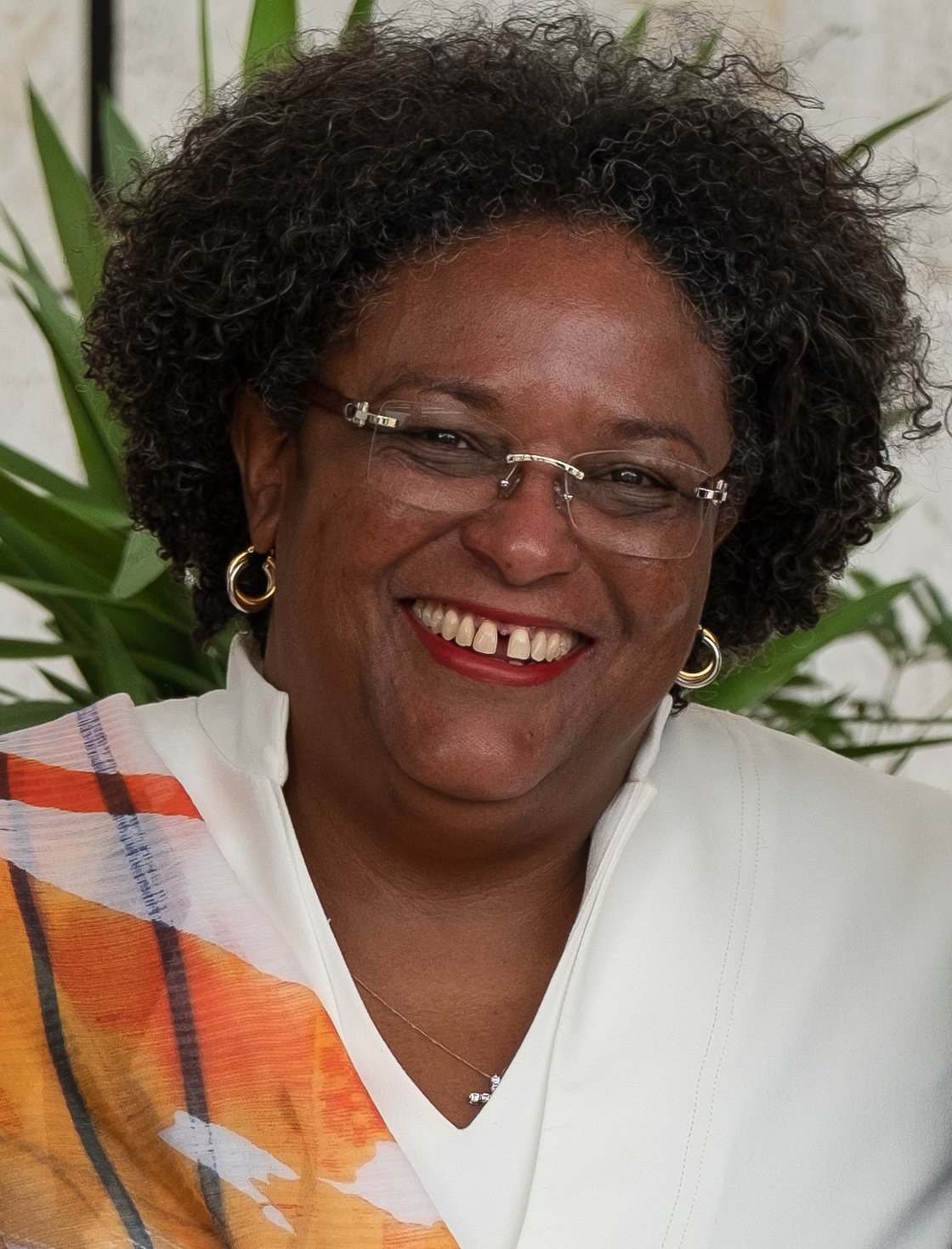
Photo: Timothy Sullivan (UNCTAD) / Wikimedia Commons, CC BY-SA 2.0
Barbados Prime Minister Mia Mottley has launched a global appeal for 1.5 billion people to demand tougher methane cuts, arguing that public pressure is needed where political leadership has fallen short.
A call for climate action from the Caribbean
Speaking during COP31 in Antalya, Türkiye, Mottley said controlling methane emissions could act as an emergency brake on global heating while countries work to cut carbon dioxide emissions and move away from fossil fuels.
DGBN has also reported on Nigeria, Barbados and Afreximbank Move Forward on $32m IV Fluids Plant.
She is seeking 1.5 billion responses to a petition, linking the target to the 1.5C temperature threshold that governments have pledged to pursue under the Paris Agreement. Mottley said methane reductions could lower projected temperature rises by between 0.3C and 0.5C, giving the world more time to decarbonise.
Her appeal follows a broader intervention at the leaders’ summit, where she urged negotiators to produce measurable methane commitments. The Barbados Government Information Service said Mottley told the summit that COP31 must deliver action capable of buying time to speed up decarbonising technologies.
Pressure beyond the conference halls
Mottley said ordinary people should be able to express their views about the future of the planet, framing the petition as a way to measure global public demand rather than an attempt to undermine governments.
She criticised the gap between repeated climate promises and the continued expansion of fossil-fuel dependence, warning that delay exposes communities to deepening climate risks.
For more context, read DGBN’s coverage of Nigeria and Barbados Push New Pharmaceutical Trade Corridor.
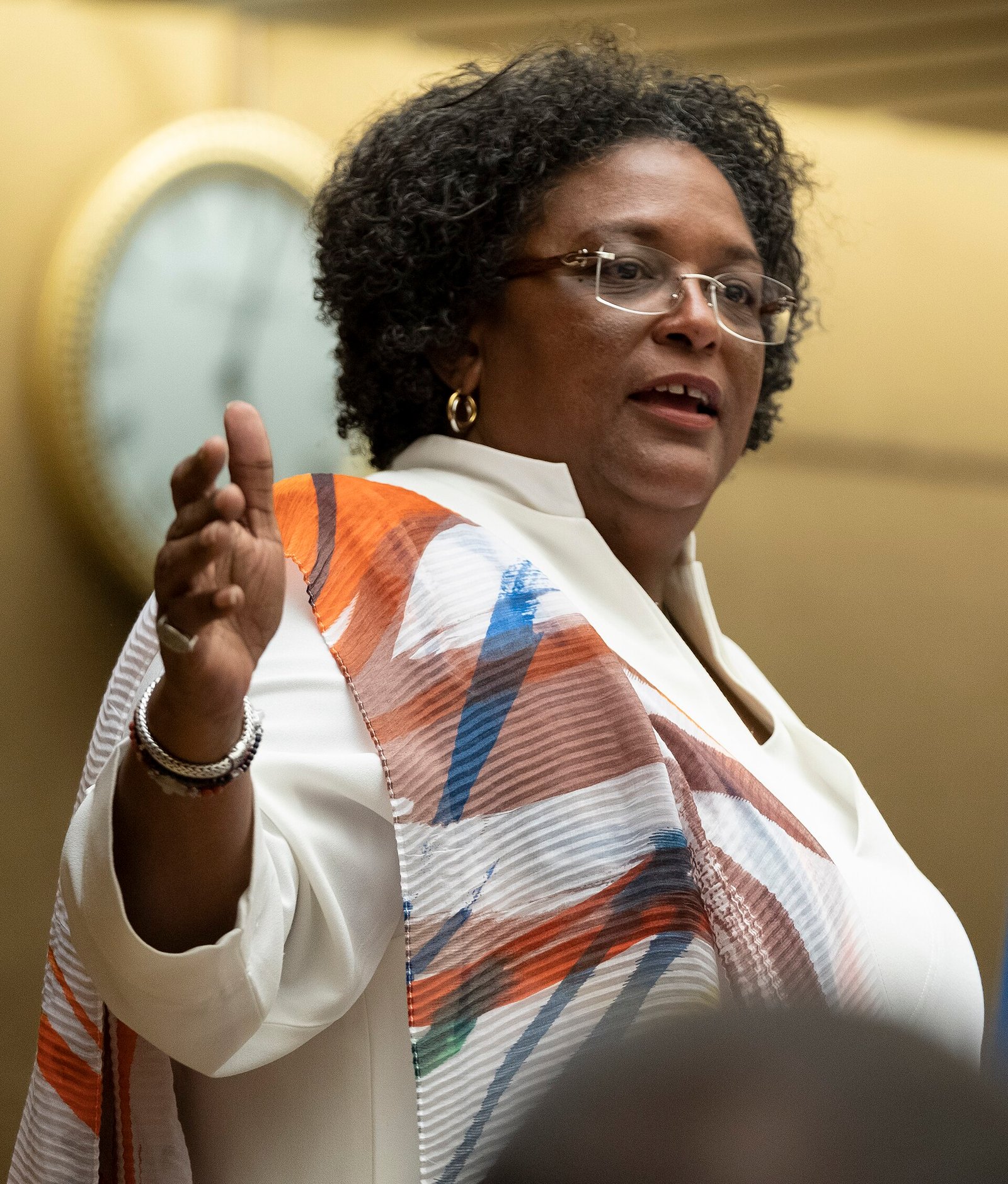
For Caribbean states and other climate-vulnerable countries, the argument carries particular weight. Small island nations face intensifying storms, sea-level rise and pressure on food, housing and public infrastructure despite contributing only a small share of historic emissions.
Associated Press reporting from COP31 separately confirmed that Mottley called for an agreement to cut methane, saying reductions in the short-lived but highly potent gas could create time to accelerate measures against longer-lasting carbon dioxide pollution.
Methane remains a key test for COP31
The UN climate conference is being held in Antalya from 9 to 20 November. Negotiators are discussing a final political outcome that could address electrification, climate finance and the expected overshoot of the 1.5C warming threshold.
No comprehensive methane treaty is expected to be agreed at this summit. However, methane remains part of the negotiations and the final outcome could strengthen existing international efforts to curb emissions from oil and gas operations, coalmines, livestock and landfill.
Durwood Zaelke, president of the Institute for Governance and Sustainable Development, told the Guardian that voluntary action alone would not be enough and argued for an international agreement with binding methane-reduction obligations.
Mottley also backed a proposal by World Trade Organization director-general Ngozi Okonjo-Iweala for banks to waive remittance fees temporarily after major disasters. She said financial institutions and fossil-fuel companies should take greater responsibility for helping countries facing climate catastrophe, including through stronger support for the loss and damage fund.
Related DGBN reporting includes Ghana Presses UK for Apology and Return of Looted African Heritage.
The push matters because climate finance, disaster recovery and emissions cuts are inseparable for Black and Global South communities: those least responsible for the crisis are often paying its highest human and economic costs.