
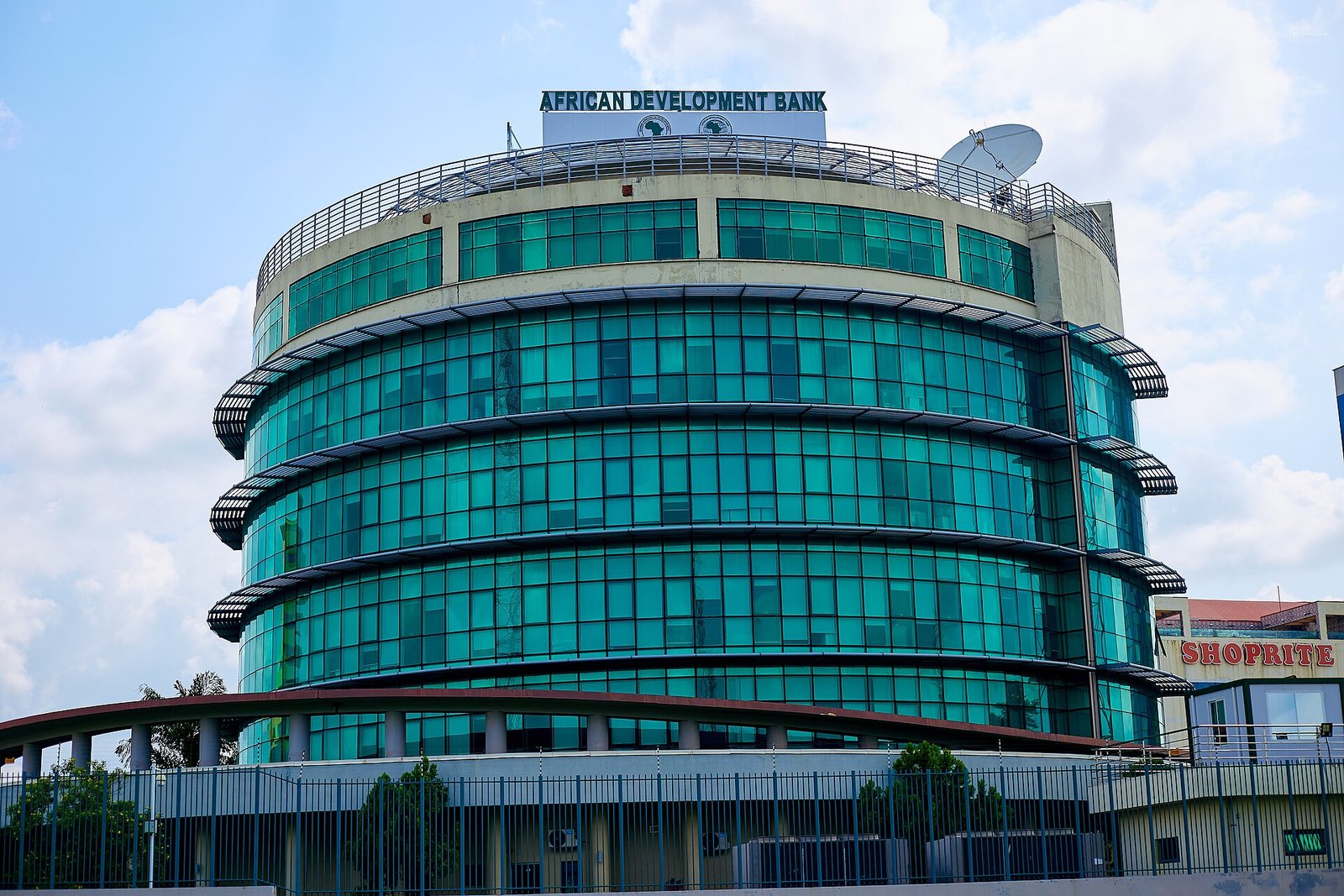
Photo: Bourenane Chahine / Wikimedia Commons, CC BY 4.0
The African Development Bank and Kenya’s Family Bank have signed a $10 million trade finance line of credit aimed at widening access to foreign-currency funding for businesses driving production and trade.
Targeting productive businesses
The agreement, signed in Nairobi on 5 October, will enable Family Bank to extend more trade-related financing to small and medium-sized enterprises, local corporates and women-owned or women-led businesses.
DGBN has also reported on African Development Bank and Exim Bank Tanzania sign $10m trade guarantee for local firms.
Manufacturing, agriculture, healthcare, renewable energy and general commerce are among the intended priority areas. Companies in these sectors often need dollars to pay for machinery, raw materials, medical supplies and other imports before they can generate income in Kenyan shillings.
The facility is designed to help close that working-capital gap through a Kenyan lender with an established SME customer base.
A practical response to a trade-finance gap
The new line of credit is part of a wider African Development Bank strategy to use domestic financial institutions to direct capital to enterprises that can create jobs, build local value chains and increase productive capacity.
Family Bank said the deal would strengthen its ability to finance businesses, particularly MSMEs, which account for more than 80% of its customer base. The lender has positioned the facility as an opportunity to serve firms whose trade ambitions are constrained by limited access to foreign currency.
For more context, read DGBN’s coverage of World Bank lifts sub-Saharan Africa’s 2026 growth forecast to 4.3%.
For Kenya, the issue is not simply one of liquidity. Restricted trade finance can delay deliveries of inputs needed by factories, farms, health providers and energy projects, limiting expansion even where demand for their goods and services exists.
Building on an earlier AfDB package
The $10 million line follows a broader $30 million AfDB Trade and SME Finance Facility approved for Family Bank in 2023. That earlier package included a short-term trade finance component, a transaction-guarantee facility and a targeted line of credit for SMEs in health, renewable energy and agriculture.
AfDB said the previous arrangement was intended to support local firms and women-owned businesses while strengthening value chains and contributing to the African Continental Free Trade Area agenda.
The latest agreement narrows the immediate focus to trade-finance capacity, giving Family Bank additional resources to support transactions requiring hard currency.
Why this matters
Access to trade finance remains a major barrier for African businesses, especially smaller companies that struggle to secure the guarantees and foreign-currency credit required for cross-border purchases and sales.
For Black entrepreneurs, producers and employers in Kenya, the value of this deal will be measured in whether finance reaches viable businesses beyond the country’s largest companies. If deployed effectively, it could help firms buy inputs, fulfil orders, strengthen regional supply chains and compete more confidently in African markets.
Related DGBN reporting includes OneDosh spotlights cross-border finance at New York Nigerian Independence celebration.
It also underlines the role African development finance can play in turning continental trade ambitions into tangible support for businesses on the ground.