
Africa's universities and research institutions house vast collections of preserved plant specimens that represent an invaluable scientific resource largely unknown to the broader public. These carefully maintained herbariums contain thousands of dried, pressed plants mounted on specialized cardboard sheets, some dating back centuries. The specimens preserve crucial biological data that modern science is only beginning to fully appreciate and utilize.
The historical significance of these collections cannot be overstated. Many specimens were gathered during periods of intensive botanical exploration, capturing snapshots of plant communities and species distributions from centuries past. This temporal dimension gives herbarium collections unique value for understanding how ecosystems and plant populations have evolved and shifted across Africa's diverse landscapes. Researchers studying climate change, biodiversity loss, and ecological transformation increasingly recognize that these preserved plants offer baseline data against which current conditions can be measured and compared.
Beyond their historical interest, herbarium specimens contain practical information essential to modern biological science. Each preserved plant carries data about its geographic location, the specific habitat where it was collected, and the time period in which it was gathered. This information helps scientists map the natural distribution of species across the continent and understand the environmental conditions associated with different plant communities. Such data becomes particularly important as Africa faces rapid environmental changes and mounting pressure on its natural resources and biodiversity.
The challenge facing these collections is substantial. Much of this scientific wealth remains inaccessible to researchers who could benefit from it most. The physical nature of pressed plant specimens limits how many scientists can simultaneously access and study them. Researchers must travel to specific institutions to view collections, creating barriers for scholars without resources or proximity to major herbaria. Perhaps more urgently, the original specimens themselves remain vulnerable to deterioration, pest damage, and loss.
Digitization represents a critical solution to these interconnected problems. By converting herbarium specimens into digital formats, institutions could make these collections available to researchers worldwide through online platforms. High-quality images and associated metadata about each specimen would create a comprehensive digital library of African plant biodiversity spanning centuries. Such a resource would democratize access to scientific data currently concentrated in institutional archives.
The implications of comprehensive digitization extend beyond academic research. Conservation professionals working to protect endangered plant species could access historical distribution data to inform their strategies. Agricultural researchers studying crop relatives and traditional plant varieties would gain access to genetic resources and ecological information. Climate scientists could utilize herbarium data to track how species ranges have shifted in response to past environmental changes, helping them model future scenarios.
The urgency of this digitization effort cannot be ignored. As climate change accelerates and human pressure on natural ecosystems intensifies, African biodiversity faces unprecedented threats. Some plant species may disappear before they are adequately studied or documented. The herbarium specimens already safely preserved represent an archive that grows no larger, making the information they contain increasingly precious. Delays in digitization risk losing opportunities to extract maximum scientific value from these collections.
African universities and research institutions possess one of the world's most important repositories of botanical knowledge and biodiversity data. These herbarium collections represent centuries of scientific observation and discovery stored in pressed plants. Digitizing these treasures would unlock their potential to inform conservation efforts, advance scientific understanding, and help Africa address the environmental challenges of our time. The work requires investment and coordination, but the potential returns for science and biodiversity conservation justify the effort.
Source: AllAfrica News: Africa | Published: Thu, 27 Aug 2026 03:57:00
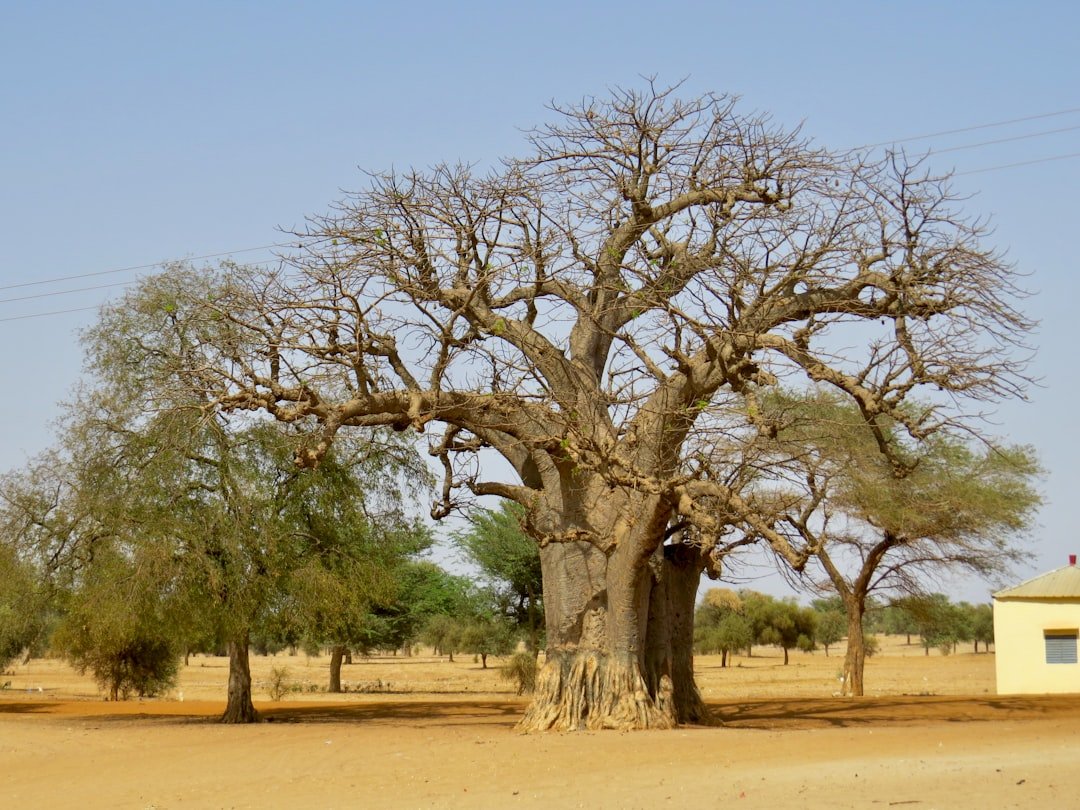
Image: Photo by E. Diop on Unsplash
Leave a Reply