

# News Article
A wide range of developments across the African continent continues to shape the region's political, economic, and social landscape as nations grapple with interconnected challenges and opportunities in the middle of 2026.
Political transitions remain a focal point across multiple African nations, with leadership changes and governance questions influencing regional stability. Several countries are navigating complex electoral processes and constitutional matters that will determine the trajectory of their governments for years to come. These political developments carry significance not only for individual nations but also for broader regional dynamics, as shifts in leadership can affect diplomatic relations, trade partnerships, and security arrangements throughout the continent.
Economic concerns persist as African nations work to address persistent inflation, currency fluctuations, and debt management. Many countries continue to balance the pressures of meeting international financial obligations while attempting to invest in domestic development priorities. The management of natural resources remains a critical economic issue, with nations seeking to maximize revenue from their extractive industries while ensuring sustainable practices. Agricultural sectors across the continent face ongoing pressures from climate variability, market access challenges, and the need for modernization and investment.
Security issues continue to demand attention in various regions, with conflicts and instability affecting civilian populations and limiting development prospects. Armed groups operating across multiple countries pose transnational security challenges that require coordinated regional responses. Humanitarian concerns linked to these security situations remain acute, with displaced populations requiring assistance and reconstruction efforts needed in affected areas. International attention and support for peacekeeping and conflict resolution initiatives remain essential components of the regional security picture.
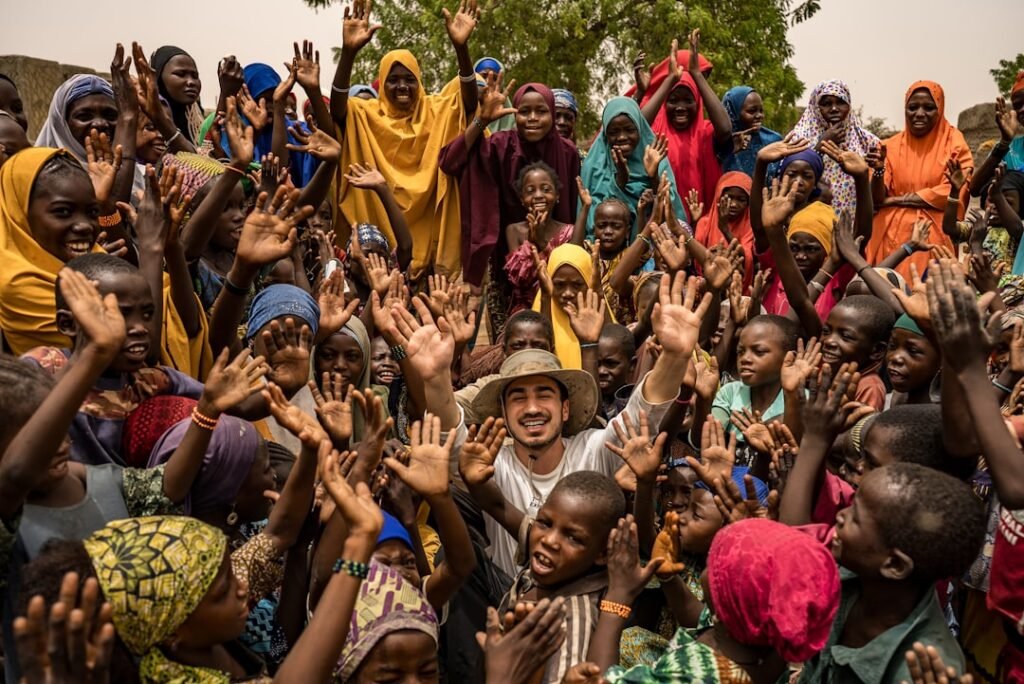
Health initiatives across Africa reflect ongoing efforts to strengthen healthcare infrastructure and address communicable and non-communicable diseases. Vaccination campaigns, disease surveillance systems, and improvements to medical facilities represent areas of continued focus and investment. Access to healthcare services remains uneven across the continent, with rural areas frequently facing more significant challenges than urban centers.
Climate change impacts continue to affect African communities, influencing agricultural productivity, water availability, and overall environmental conditions. Countries are working to develop climate adaptation strategies while simultaneously contributing to global climate mitigation efforts. The intersection of climate challenges with economic development goals presents complex policy decisions for African governments and their international partners.
Regional organizations continue their work on continental integration, trade facilitation, and collective problem-solving. Efforts to strengthen intra-African trade, harmonize regulations, and coordinate responses to transnational issues remain important components of the regional agenda. Educational and research initiatives aimed at building human capital across the continent reflect recognition that long-term development depends on sustained investment in people.
The diversity of experiences and challenges across Africa's 54 nations underscores the complexity of continental developments. While some nations experience relative stability and economic growth, others contend with more acute challenges in security, governance, or economic management. Understanding these varied contexts remains essential for international observers seeking to comprehend the continent's trajectory.
Looking forward, the coming months will likely see continued evolution of these political, economic, and social dynamics. The capacity of African institutions and governments to address persistent challenges while capitalizing on opportunities for growth and development will significantly influence the region's future. International partnerships, regional cooperation, and domestic policy decisions will all play roles in shaping outcomes across the continent.
Source: AllAfrica News: Africa | Published: Wed, 19 Aug 2026 07:24:10
Leave a Reply