
Photo: © European Union, 2026 / Wikimedia Commons, CC BY 4.0
Africa has entered COP31 demanding that climate diplomacy finally deliver money, fairness and decision-making power to communities bearing the heaviest costs of a crisis they did little to cause.
Finance moves to the centre of the talks
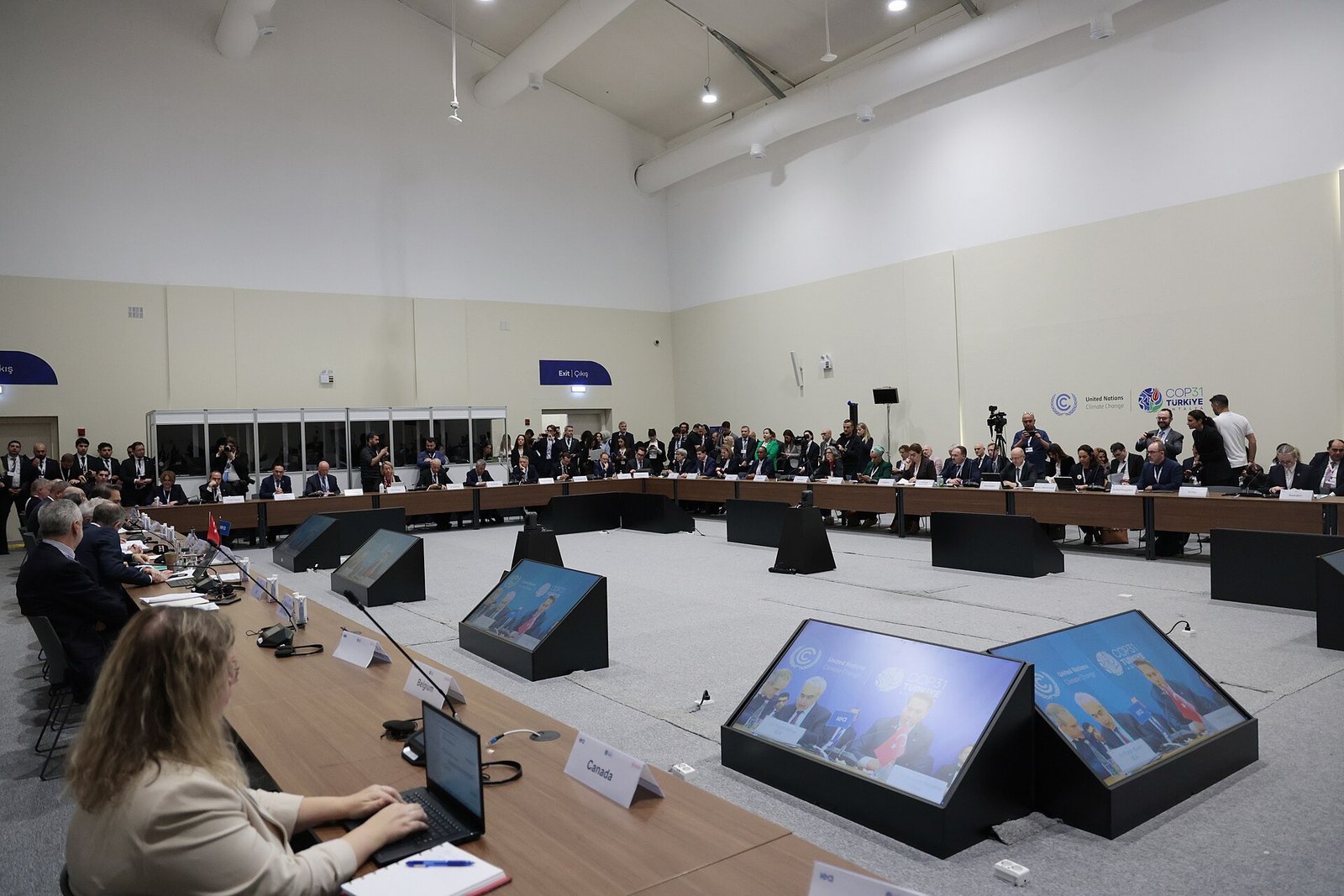
The UN climate summit opened in Antalya, Türkiye, on 9 November, bringing governments together until 20 November for negotiations under the UN Framework Convention on Climate Change.
DGBN has also reported on Ghana unveils $10bn ‘New Economy’ plan in 2027 budget with no new taxes.
For the African Group of Negotiators, the central test is whether COP31 can move beyond pledges. The bloc is seeking stronger, more predictable and easier-to-access finance to help African countries implement national climate plans, protect communities from extreme weather and build resilient food, water and energy systems.
Its proposed agenda priorities include tripling adaptation finance, examining the future funding needs of the Green Climate Fund, and opening a formal discussion on trade and climate change. African negotiators say these questions cannot be separated from development, debt pressures and unequal access to technology.
Climate justice is a development question
Africa’s intervention is not simply a call for aid. It is a demand for a climate system that recognises historical responsibility and allows African states to choose their own development paths.
The UN Economic Commission for Africa says the continent’s COP31 agenda combines adaptation, loss and damage, a just energy transition, green industrialisation, carbon markets and innovation. African representatives are also making the case that the transition to cleaner energy must expand electricity access, create decent jobs and retain more value from the continent’s critical minerals.
For more context, read DGBN’s coverage of South Africa’s 30% telecoms ownership rule faces High Court challenge.

This matters deeply for Black communities across the continent and diaspora. Climate shocks already compound food insecurity, displacement, public-health risks and pressure on public budgets, while high borrowing costs can leave governments financing recovery through debt rather than grants.
Who controls the transition?
A key debate in Antalya is whether the global shift away from fossil fuels will reproduce extractive economic relationships or support African ownership of clean-energy industries.
At an Africa Pavilion event this week, the Economic Commission for Africa argued that a just transition must be designed around African priorities, including affordable power, industrial growth and national control over resources. The commission noted that Africa contributes less than 4 per cent of global emissions but faces some of the harshest climate impacts.
That framing challenges wealthy countries to match their calls for faster emissions cuts with public finance, technology transfer and fairer global financial rules. It also places scrutiny on carbon-market arrangements, which African governments and civil-society groups want to deliver tangible local benefits rather than cheap offsets for high-emitting economies.
A test of trust before COP32
COP31 is being hosted by Türkiye, with Australia leading negotiations under a joint arrangement. The African bloc is using the summit to build momentum before COP32, which is expected to be held in Addis Ababa in 2027.
The immediate question is whether wealthy states will accept stronger language and practical mechanisms on adaptation finance and Green Climate Fund replenishment. Without measurable delivery, African leaders warn that confidence in the multilateral climate process will continue to erode.
Related DGBN reporting includes Africa presses COP31 to turn climate pledges into energy investment.
For Africa, success in Antalya will not be judged by speeches. It will be judged by whether finance reaches frontline communities in time, on fair terms, and at a scale matching the emergency.