

# Article Body
Researchers studying the microscopic organisms that inhabit soil are discovering an important tool in the fight against desertification across Africa's drylands. These microbes, which exist in vast invisible communities beneath the surface, may offer scientists the ability to detect environmental degradation before visible damage becomes apparent to the naked eye.
The foundation of healthy land begins with what lies unseen in the soil. Microbial communities perform essential functions that sustain all terrestrial life, cycling vital nutrients through the ecosystem and enabling plants to access the resources they need to survive and thrive. Beyond their role in supporting vegetation, these microorganisms also influence how ecosystems respond when conditions change, making them integral to understanding the overall resilience of natural systems. This fundamental ecological principle is prompting scientists to examine soil microbes more closely as indicators of environmental health.
Marc Van Goethem, a specialist in microbial ecology, explains that the study of how microbes interact with one another and their environment reveals crucial insights about ecosystem stability. His research suggests that microbial communities may serve as biological sensors, responding to environmental stress before larger, more visible organisms such as plants show signs of distress. This capability could provide African nations and environmental agencies with advance notice of ecological problems, allowing for intervention before damage becomes severe or irreversible.
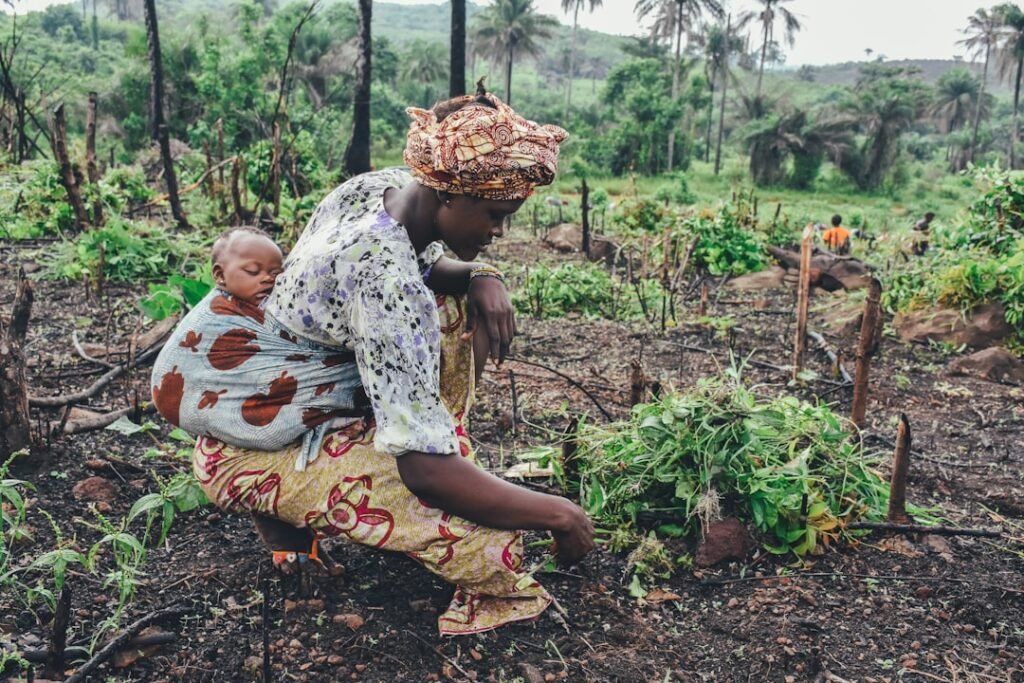
The implications of this discovery are particularly significant for Africa's dryland regions, which face increasing pressure from climate variability, overgrazing, and other human activities that push ecosystems toward desertification. When these systems reach ecological tipping points, the transformation can be rapid and difficult to reverse. Desertification represents an economic and humanitarian threat to millions of people who depend on drylands for agriculture, livestock, and other livelihood activities. Currently, monitoring these regions relies largely on visible indicators such as vegetation loss and soil erosion, which appear only after substantial damage has occurred.
By identifying shifts in microbial communities, scientists may be able to detect the warning signs of approaching desertification much earlier in the degradation process. This early detection capability could fundamentally change how land managers and policymakers approach conservation and restoration efforts in vulnerable regions. Rather than responding to crises after they develop, interventions could be implemented while ecosystems still retain greater capacity to recover.
The practical applications of microbial monitoring extend beyond simple detection. Understanding the specific microbial communities that characterize healthy, resilient soils could inform land management strategies designed to maintain or restore soil health. This knowledge might guide decisions about grazing practices, agricultural techniques, and restoration initiatives aimed at preventing further degradation of Africa's drylands.
As climate change intensifies pressure on already fragile ecosystems across the African continent, the need for improved monitoring tools becomes increasingly urgent. Microbial ecology offers a scientific approach grounded in the fundamental processes that sustain life on land. By paying attention to the smallest organisms in the soil, researchers and land managers may gain the foresight necessary to protect Africa's drylands from irreversible transformation and preserve the ecological and economic resources that depend on them.
Source: AllAfrica News: Africa | Published: Wed, 19 Aug 2026 05:07:04
Leave a Reply