
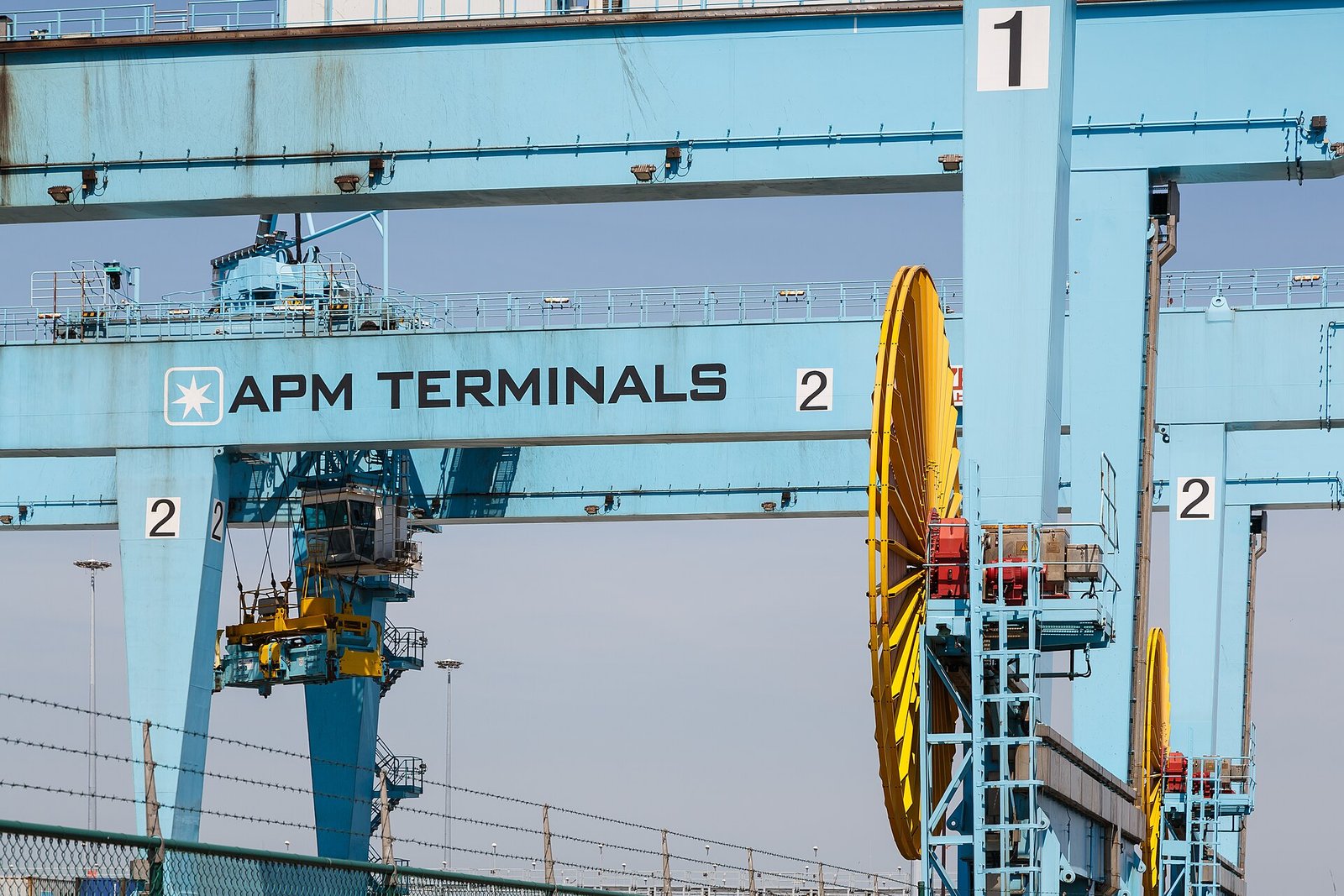
Photo: CEphoto, Uwe Aranas / Wikimedia Commons, CC BY-SA 3.0
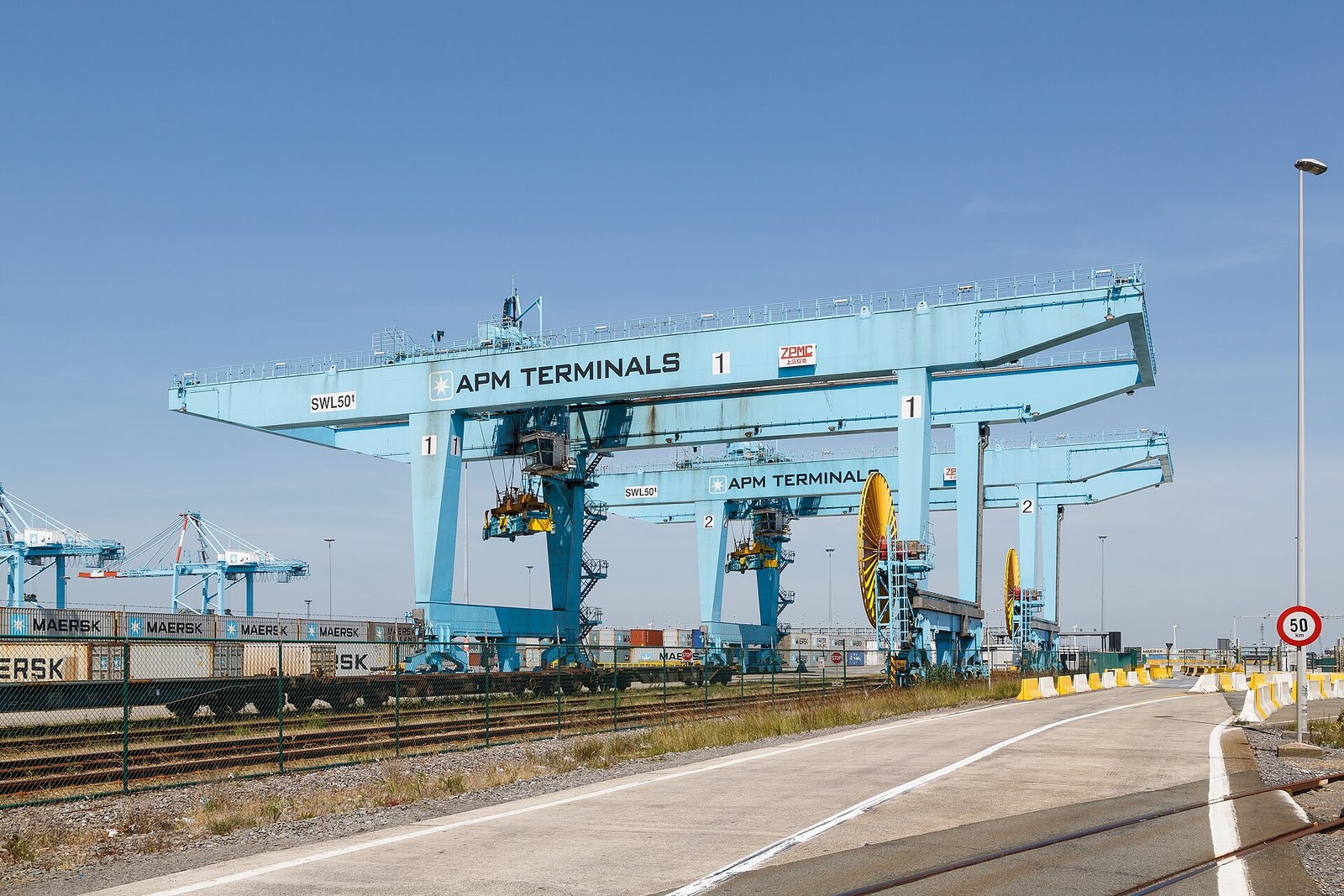
APM Terminals Nigeria has called for a broad upgrade of port infrastructure and cargo evacuation systems, arguing that quicker movement of containers is essential to trade, jobs and economic growth.
Push for rail, barges and modern facilities
Speaking at the 32nd Nigerian Economic Summit in Abuja, APM Terminals Nigeria chief executive Koen De Backker said containers remaining in terminals for too long constrain capacity and slow the movement of goods.
DGBN has also reported on Nigeria warned ageing ports could cost it AfCFTA trade gains.
He said Nigeria must reduce its dependence on road haulage by expanding rail and barge options. The company pointed to its logistics centre near Ibadan, where export goods are consolidated, packed into containers and moved by rail to the Apapa terminal in Lagos.
De Backker said ageing port assets also need modernisation, supported by technology, specialist expertise and investment. He framed private-sector involvement as a way to professionalise and upgrade infrastructure rather than simply transferring public assets into private hands.
Scanners and agency coordination
The terminal operator also stressed that port reform depends on coordination with the Nigeria Customs Service, clearing agents and other government bodies.
For more context, read DGBN’s coverage of Nigeria sets 2046 target to keep 90% of internet traffic at home.
De Backker said the use of cargo scanners, rather than physical inspection alone, had helped cut average import-container dwell time at the terminal from 18 days to 14 days. Faster release of containers can reduce storage and logistics costs for businesses, while freeing terminal space for incoming cargo.
The comments come as Nigerian importers and exporters continue to face delays linked to documentation, regulatory approvals, road congestion and the transition to digital trade-processing systems. APM Terminals has previously convened regulators and cargo owners to address operational problems on the National Single Window platform.
Why it matters
Efficient ports are central to Nigeria’s ability to lower the cost of imports and strengthen non-oil exports. Delays at Lagos ports can raise prices for households and businesses, particularly where added transport, storage and demurrage charges are passed along the supply chain.
For Nigerian producers, stronger rail links and more predictable clearance procedures could make it easier to get agricultural and manufactured goods to international markets. That matters for a country seeking to diversify beyond oil, create work and deepen trade links across Africa.
Related DGBN reporting includes Nigeria’s aviation reforms win praise, but ‘billions’ claim remains unproven.
Nigerian Economic Summit Group chairman Olaniyi Yusuf said the next phase of economic reform should prioritise lower production costs, dependable infrastructure, investment and more effective public spending. The challenge now is whether commitments by terminal operators, regulators and government agencies translate into measurable improvements for port users.