

Stonebwoy's BHIM Festival at London's OVO Arena Wembley represents far more than a successful musical performance by a Ghanaian artist on an international stage. The event illuminates a broader strategic opportunity for how nations leverage cultural exports as instruments of influence and connection in an increasingly interconnected world. As Ghana's creative industries continue to gain international prominence, the country faces a critical question: how can transient moments of cultural visibility be transformed into lasting national advantage and measurable soft power?
The mechanics of cultural diplomacy operate differently from traditional diplomatic channels. While embassies, official state visits, and foreign policy statements remain important tools of international engagement, countries are increasingly encountered and understood through their creative expressions. Music, film, fashion, food, sport, and the narratives that accompany them shape how the world perceives nations. Critically, much of this cultural representation originates not from government initiatives but from artists, creative entrepreneurs, festivals, cultural businesses, and diaspora communities operating with relative independence. BHIM Festival London exemplifies this dynamic, where a artist-driven platform creates avenues for Ghana to be experienced by international audiences.
When Ghanaian culture enters a major London venue, the implications extend beyond entertainment consumption. Audiences encountered Ghana through Stonebwoy's music, language, visual aesthetics, and the symbolic elements integrated into the production design, including a scenic representation inspired by Ghana's Independence Arch. For diaspora attendees, such imagery carries immediate historical and emotional resonance. For first-time observers, the same symbols provoke curiosity and inquiry. This distinction matters significantly: cultural diplomacy functions most powerfully precisely because it typically does not announce itself as such. Attendees arriving for music and community may depart having absorbed new information about Ghana, encountered unfamiliar symbols, and formed impressions that subtly influence their understanding of the nation.
However, Ghana must exercise caution in conflating cultural visibility with actual soft power. A single successful concert does not automatically translate into national influence. Soft power develops gradually through accumulated cultural encounters that generate attraction, credibility, and familiarity. The BHIM Festival should therefore be understood as a waypoint on a potential soft-power trajectory rather than conclusive evidence of achieved influence. One event creates curiosity; multiple quality encounters build familiarity; sustained engagement over time contributes to affinity that can translate into tourism, diaspora involvement, business engagement, and improved international perception. Ghana's challenge is not the absence of cultural assets but the conversion of cultural attention into tangible national benefits.
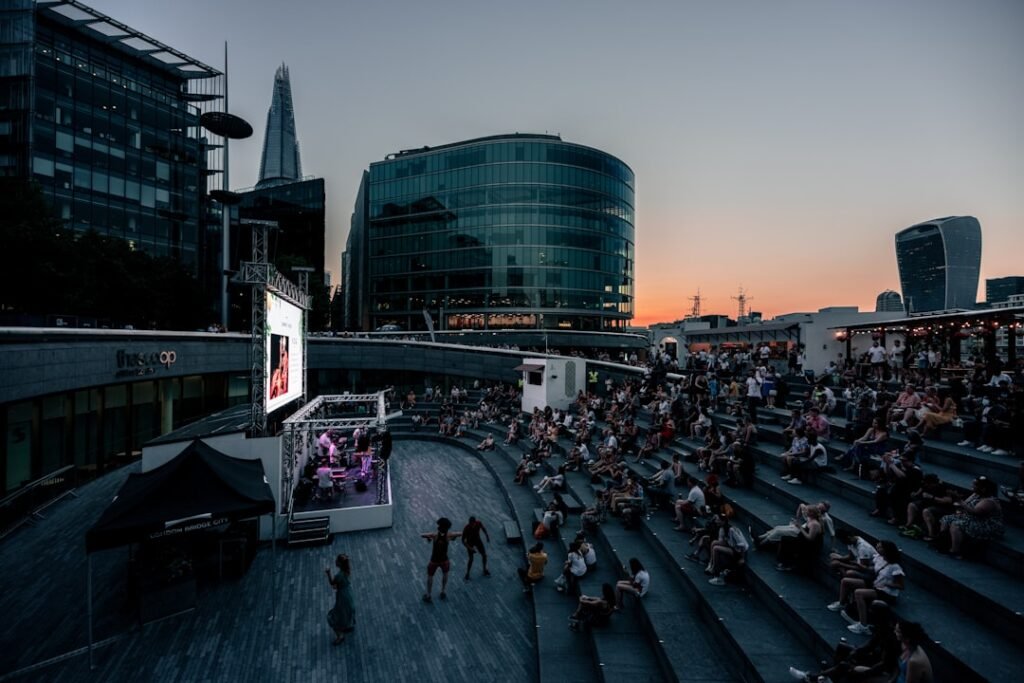
The London setting carries particular strategic significance given the city's substantial Ghanaian and broader African diaspora populations. For these communities, festivals function as mechanisms of cultural reconnection, allowing generations to celebrate and transmit identity through shared experience. Diaspora audiences should not be regarded merely as passive consumers but as cultural intermediaries who introduce Ghana's creative offerings to their professional networks, social circles, and broader communities. Their travels, investments, advocacy, and business activities extend Ghana's cultural influence far beyond initial event attendance.
An overlooked dimension of Ghana's cultural export involves the professional infrastructure supporting artistic presentation. BHIM Festival London required Ghanaian and international production professionals working collaboratively across technical and creative disciplines. While Ghana excels at producing talented artists, the nation captures only partial economic value when it must import most of the professional expertise required for international presentation. A strategic ambition should encompass exporting not only Ghanaian creativity but also Ghanaian creative capability—developing production companies, designers, and technical specialists capable of operating competitively across major international markets. This transformation from creative exporter to creative industry player requires deliberate investment in infrastructure and professional development.
Government need not initiate every cultural diplomacy endeavor. Existing platforms like BHIM Festival already command international audiences and attention. Rather than attempting to create or control cultural initiatives, Ghanaian institutions can identify, support, and amplify credible platforms already possessing international reach. The Ministry of Tourism, Culture and Creative Arts, Ghana Tourism Authority, Ministry of Foreign Affairs, and diplomatic missions abroad can collectively build around the attention culture has already created, connecting festivals to tourism promotion, diaspora engagement, destination branding, and creative-industry development.
Ghana possesses substantial cultural capital. Whether the nation can convert that capital into sustained advantage depends on deliberate connections between culture, tourism, diaspora relations, creative industries, and international positioning. The music is already travelling. The strategic imperative now is ensuring the value created by that movement returns home.
Source: MyJoyOnline | Published: Wed, 19 Aug 2026 16:31:59
Leave a Reply