
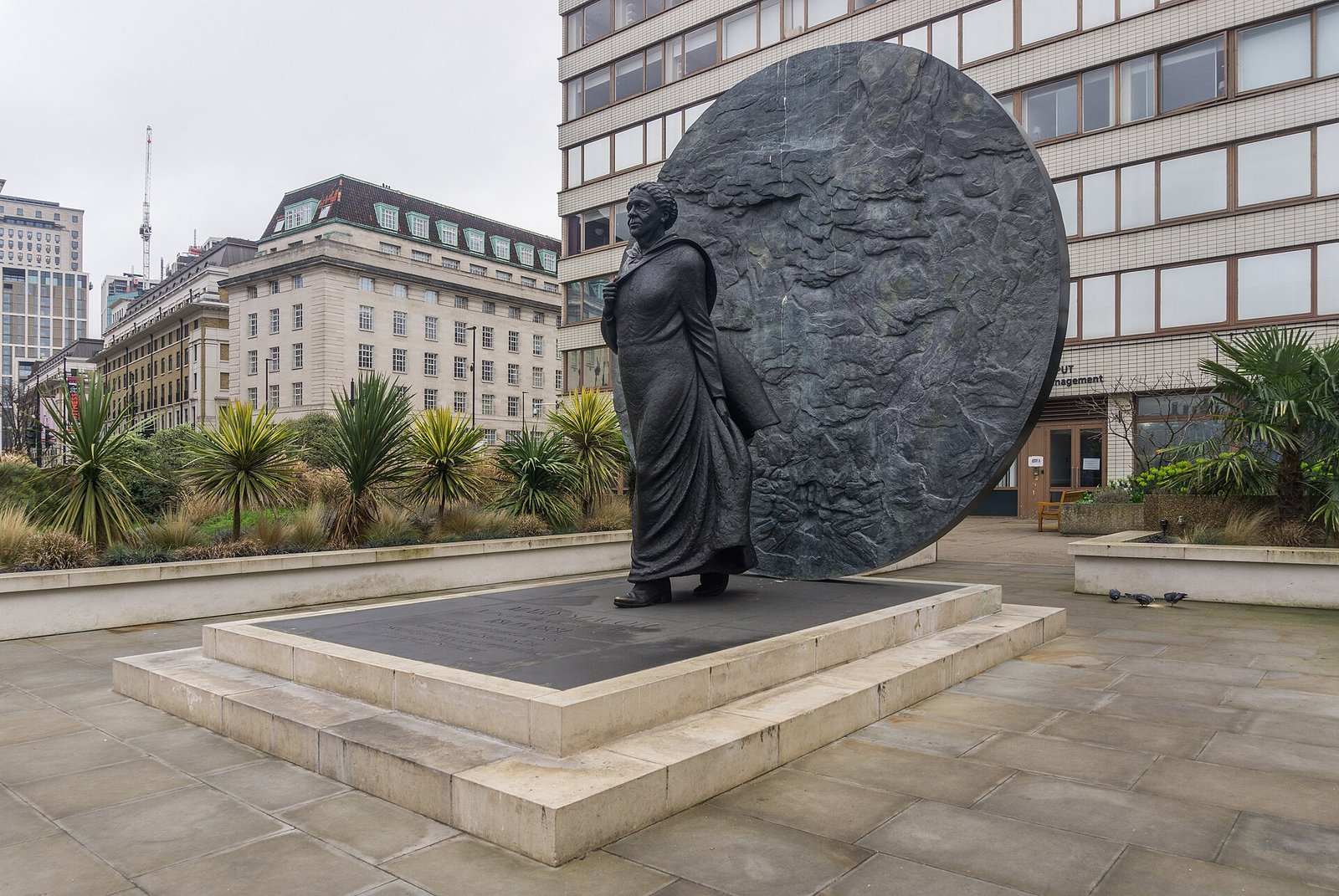
Photo: Sumit Surai / Wikimedia Commons, CC BY-SA 4.0
Capital XTRA has published a Black History Month feature celebrating Black British pioneers whose achievements reshaped public life, culture and representation.
From remembrance to recognition
Published on 2 October, the broadcaster’s “Black British Firsts” feature highlights Mary Seacole, Paul Boateng, Nicola Adams, Sislin Fay Allen and Daniel Kaluuya. The article arrives as the station devotes October programming to Black History Month, including segments on major Black British cultural milestones. (capitalxtra.com)
DGBN has also reported on Haiti will “stand tall”, PM tells UN as he demands full backing for gang suppression force.
Original source: Original source.
The value of such a list is not simply ceremonial. It places Black British achievement in the centre of the national story, while showing that progress across institutions has depended on individuals challenging barriers that were often entrenched.
Pioneers across public life
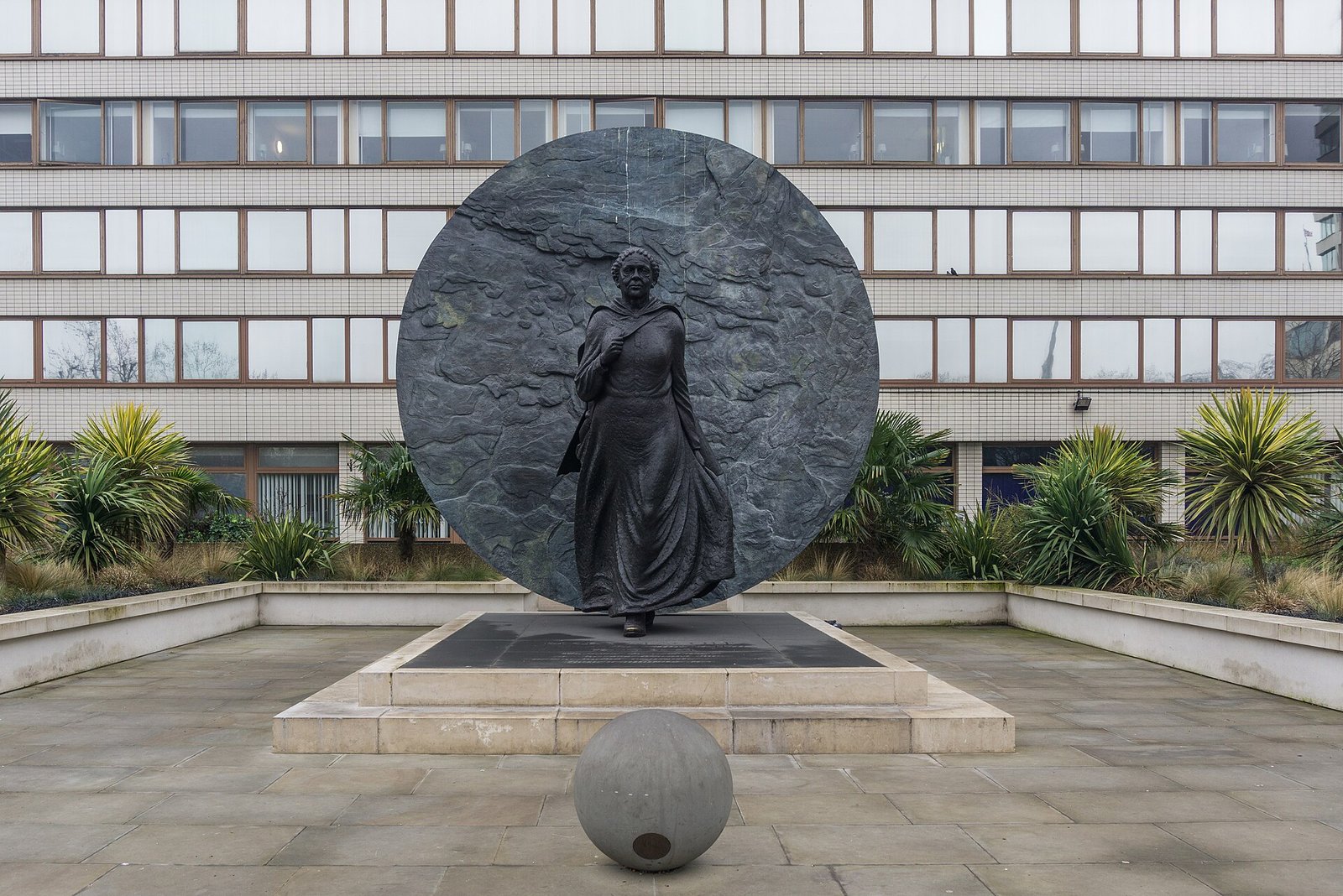
Seacole, the Jamaican-born nurse and businesswoman, travelled to Crimea at her own expense after being rejected by the official British nursing contingent. Her 1857 memoir, Wonderful Adventures of Mrs Seacole in Many Lands, remains a landmark account of a Black woman’s life and work in Victorian Britain. Capital XTRA also notes the statue outside St Thomas’ Hospital in London, which commemorates her contribution. (capitalxtra.com)
In politics, Paul Boateng became the UK’s first Black Cabinet minister when he was appointed Chief Secretary to the Treasury in 2002. Parliament’s heritage collection records that Boateng was among the first Black MPs elected in 1987, alongside Diane Abbott and Bernie Grant — a breakthrough which broadened Black representation at Westminster. (heritagecollections.parliament.uk)
For more context, read DGBN’s coverage of Who Ran The WNBA This Week: Angel Reese Owns The Glass, Clark & Mitchell Make History & Dallas Gets In.
Breaking barriers in uniform, sport and screen
Sislin Fay Allen joined the Metropolitan Police in 1968, becoming its first Black female officer. The Met’s own historical timeline places her appointment one year after Norwell Roberts became its first post-Windrush Black male officer. Her career is a reminder that Black women have long confronted both exclusion and scrutiny inside public institutions. (met.police.uk)
Nicola Adams’ Olympic victory at London 2012 was another defining moment. Women’s boxing appeared at the Games for the first time that year, and Adams won the flyweight gold medal. Her success put a Black British woman at the forefront of a sport from which women had been excluded at Olympic level until then. (capitalxtra.com)
Daniel Kaluuya’s 2021 Academy Award for supporting actor, for Judas and the Black Messiah, added a major film landmark. The Academy confirms his win, while Capital XTRA identifies him as the first Black British actor to receive an acting Oscar. (oscars.org)
Why it matters
For Black communities in Britain and across the diaspora, these stories challenge the narrow idea that Black history is confined to migration, hardship or a single month of commemoration. They show Black people as organisers, healers, legislators, officers, athletes and artists who changed the country’s possibilities.
Related DGBN reporting includes The $80m IMF FX intervention cap that broke the cedi, and the gold policy that fixed it.
For wider context, see Manchester City’s 115 Charges: Reported Findings Put Years of Delay Under the Spotlight on Diajem Sports Network.
Capital XTRA’s feature also makes a clear point for younger audiences: representation is not an abstract demand. Visible firsts create reference points, open professional paths and make it harder for institutions to deny who belongs in them.