
Photo: Christophe Badoux / Wikimedia Commons, CC BY-SA 3.0
Fitch Ratings has backed South Africa’s recent budget progress but warned that persistently weak growth could push government debt upwards again from the 2028/29 financial year.
A different debt path
The agency expects government debt to remain close to 78% of gross domestic product over the next two financial years before rising modestly to 79% in 2028/29.
DGBN has also reported on Jayesh Saini wins competition clearance for ABC Bank takeover, but CBK decision remains.
That is a more cautious projection than National Treasury’s. Finance Minister Enoch Godongwana said in last week’s Medium-Term Budget Policy Statement that debt had peaked at 78.4% of GDP in 2025/26 and was expected to fall to 76.6% by 2029/30.
Fitch said the government’s fiscal consolidation programme remained on course, helped by stronger revenue that has offset additional spending. But it identified subdued economic expansion as the central threat to keeping the debt ratio on a downward path.
Growth is the pressure point
Fitch forecasts South Africa’s economy will grow by 1.1% in 2026 and 1.4% in 2027. It cited a weaker outlook shaped by higher oil prices and lower investment.
The agency’s concern is significant because the debt-to-GDP measure depends not only on government borrowing, but also on the pace at which the economy grows. When growth remains low, even disciplined spending and improved tax collection can struggle to reduce the debt burden decisively.
For more context, read DGBN’s coverage of Mnangagwa takes Zimbabwe’s development agenda to Russia-Africa Summit.
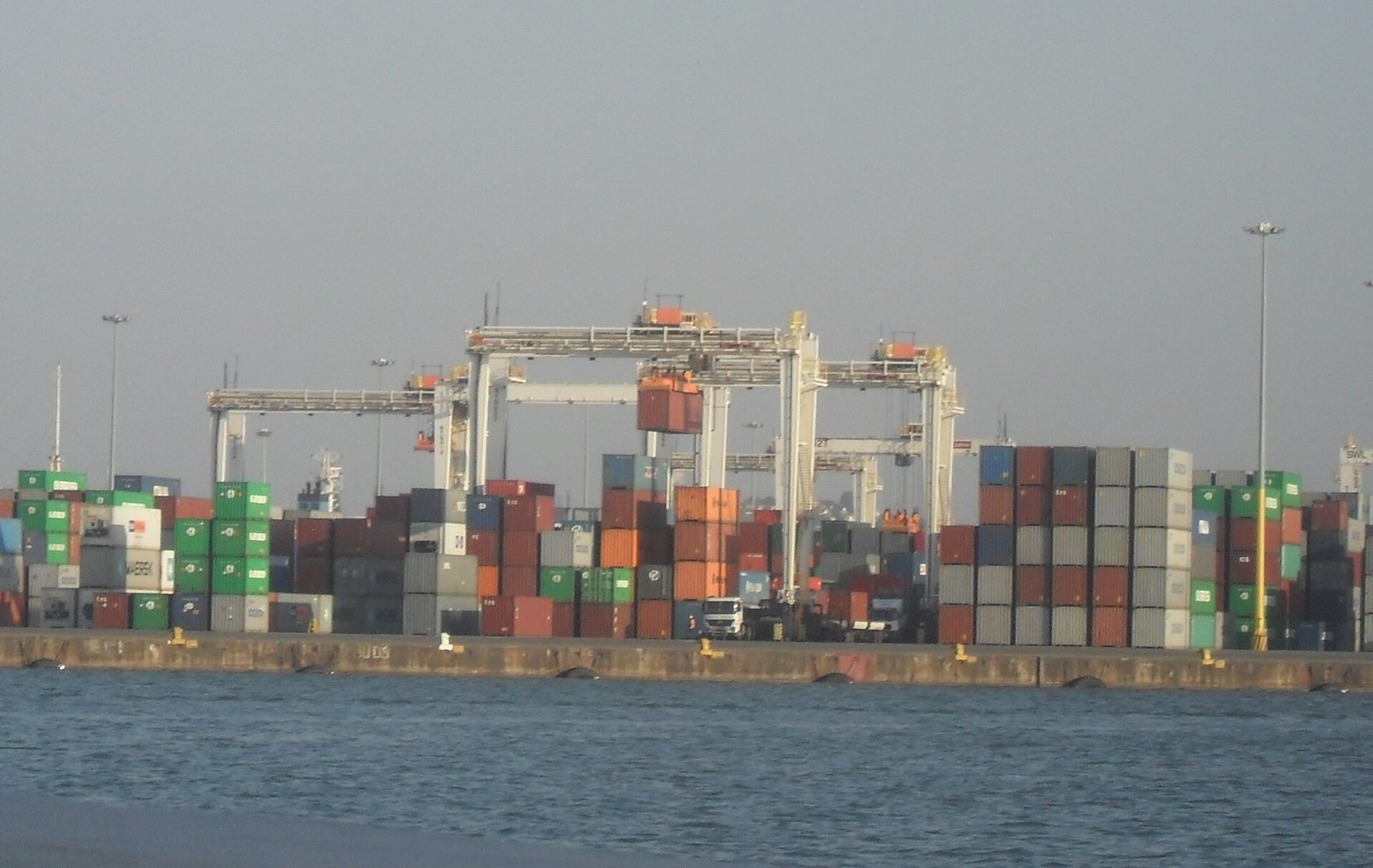
Fitch said reforms in electricity and logistics could strengthen investment and lift medium-term growth. Reliable power supply, functioning rail networks and more efficient ports remain central to lowering costs for businesses and unlocking job-creating activity.
Progress, but limited room for shocks
The warning does not erase the improvement Fitch has recognised in South Africa’s public finances. The agency upgraded the country’s sovereign rating to BB with a stable outlook in June, citing more prudent fiscal management and progress towards stabilising debt.
Moody’s has also described the latest budget update as credit positive, saying it demonstrates continuing fiscal consolidation despite pressure from higher oil prices, tighter monetary conditions and weaker nominal growth.
However, Moody’s has cautioned that South Africa has limited fiscal space to absorb shocks. It also noted that debt-service costs remain a major burden, with interest payments taking 18.8% of general government revenue in the 2025 fiscal year.
Why it matters
For South Africans, the debt trajectory has direct consequences for public services and economic opportunity. Higher interest payments leave less money for schools, healthcare, social protection, policing and infrastructure. A credible decline in debt can also reduce borrowing costs and support the country’s case for a return to investment-grade credit status.
Related DGBN reporting includes African Union Opens Sixth ICT Committee Session in Gabon.
For wider context, see Ivory Coast 0-1 Cameroon: Nsongo wins it for the Indomitable Lions on Diajem Sports Network.
Fitch’s assessment makes the policy challenge clear: budget restraint alone will not be enough. South Africa’s fiscal recovery now depends heavily on whether structural reforms can produce stronger, broader growth for an economy whose fortunes shape markets and livelihoods across southern Africa.