

Photo: Yemi festus / Wikimedia Commons, CC BY-SA 4.0
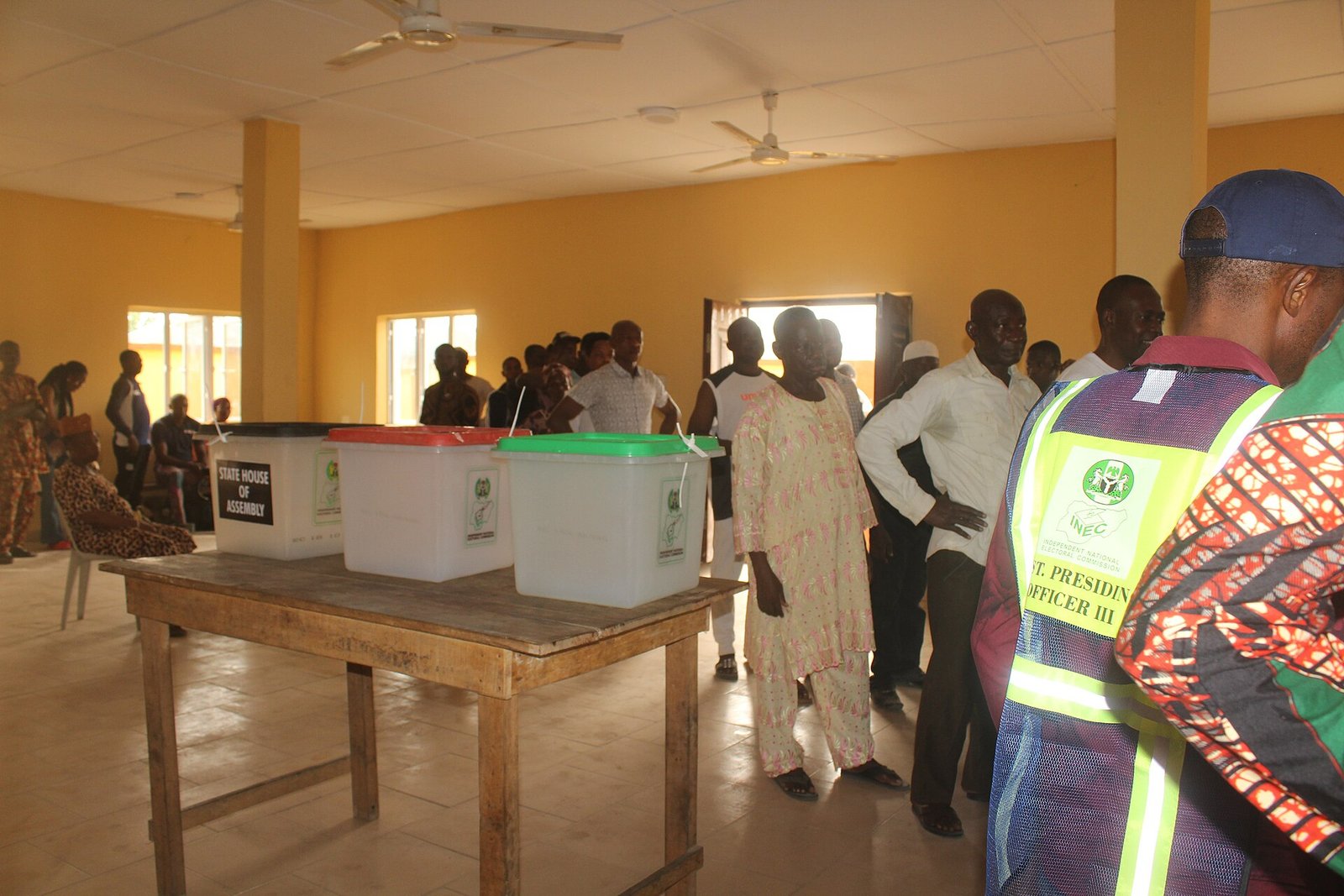
Nigeria’s Grassroots Initiative Party has called for stronger electoral institutions, transparent election technology and deeper citizen engagement at ward and local-government level.
Call follows Brazil vote
GRIP founder and national chairperson Nze Kanayo Chukwumezie made the appeal in a statement issued in Abuja on Tuesday, as he pointed to the first round of Brazil’s presidential election on 4 October as a moment for democracies to assess how credible voting systems and public participation can be reinforced.
DGBN has also reported on Nigeria Diaspora Groups Renew Push for Vote Abroad Before 2027 Polls.
Chukwumezie said Nigeria should continue improving the technological capacity of its elections, but stressed that digital tools must be transparent, verifiable, auditable and accessible to those taking part in the process.
He argued that technology should be judged by whether it strengthens public trust in the integrity of elections, rather than treated as an end in itself.
Institutions and peaceful competition
The GRIP leader also called for electoral bodies, legislatures, courts, security agencies and other public institutions to operate within the law. He said election disputes should be resolved through credible institutional and judicial channels, not violence, intimidation or unlawful pressure.
Political parties, candidates and supporters should respect electoral rules and pursue peaceful competition, he added.
For more context, read DGBN’s coverage of Nigeria at 66: Abubakre Calls for Institutions That Outlast Resilience.
The intervention comes as Nigeria looks towards its next general election cycle, when confidence in the administration, counting and adjudication of elections will again be central to the country’s democratic stability.
Community links matter
Chukwumezie said political parties need meaningful and continuing relationships with citizens in communities, wards and local government areas. He urged campaigns to focus on issues that shape daily life, including security, jobs, economic opportunity, education, healthcare, infrastructure and the cost of living.
He also said participation cannot be sustained by calls to vote alone. In his view, citizens must see accountable leadership, transparency and effective representation before they can believe their involvement has a meaningful influence on government.
GRIP said it would continue to promote grassroots participation, accountability, security and economic opportunity, while urging electoral institutions, civil society, the media and citizens to contribute to Nigeria’s democratic development.
Why it matters
For Nigerians, especially young people who make up a large share of the population, the demand goes beyond election-day turnout. Trust in electoral institutions affects whether citizens believe their vote can shape public policy and improve conditions in their communities.
Related DGBN reporting includes Hello, God!, By Wole Olaoye.
Stronger safeguards, accessible processes and sustained grassroots organising could help turn political participation from a periodic campaign activity into a more durable form of public accountability.