
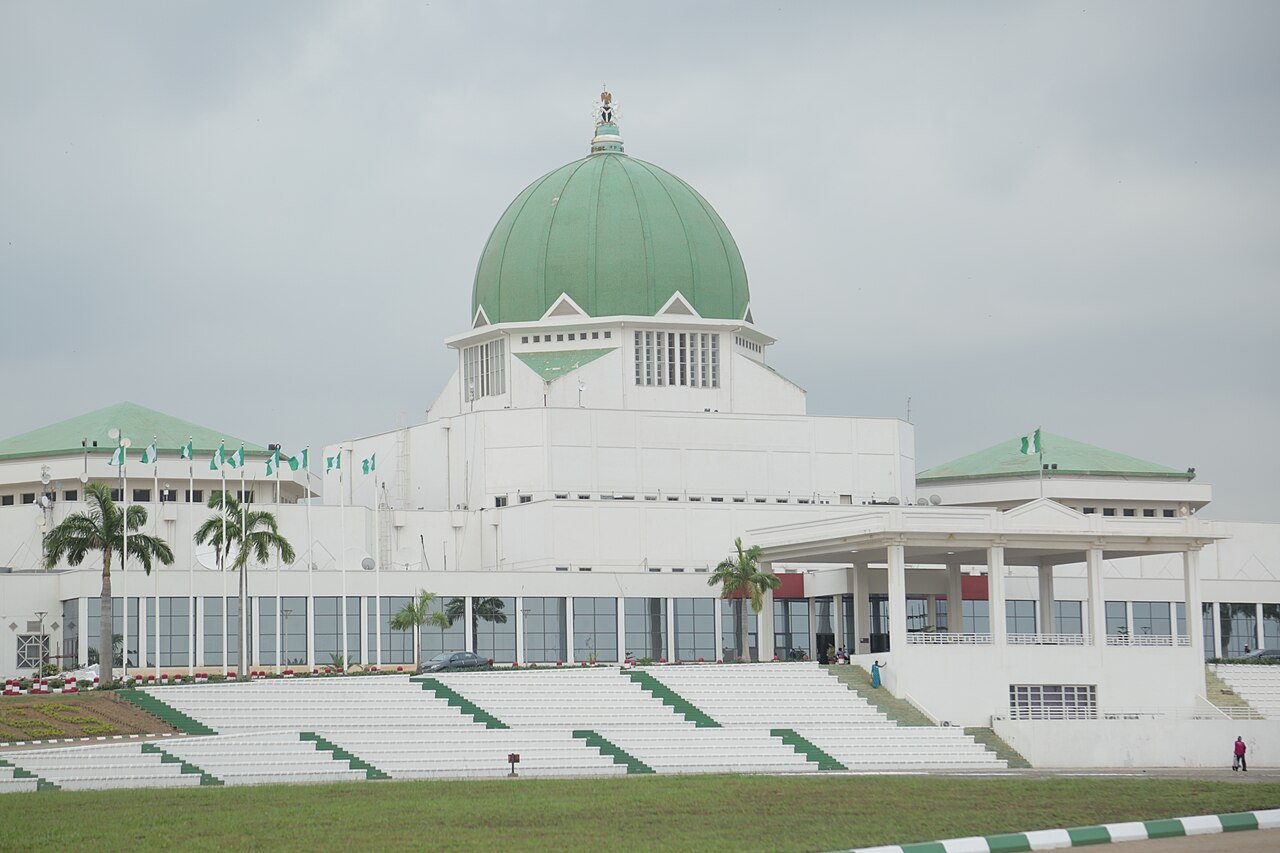
Main photo: Kabusa16 / Wikimedia Commons, CC BY-SA 4.0
Nigeria’s 66th Independence anniversary has renewed calls for the country to move beyond survival and build public institutions capable of delivering reliable progress for ordinary people.
A case for capability
Dr Alim Abubakre, founder of executive education firm TEXEM and a senior lecturer at Sheffield Business School, argued that Nigeria’s greatest obstacle is not a lack of talent, ambition or enterprise, but the failure to translate those strengths into enduring institutional capability.
DGBN has also reported on Tinubu Defends Tough Reforms in Nigeria’s Independence Day Address.
Writing to mark the October 1 anniversary, Abubakre said Nigerians have repeatedly demonstrated an ability to innovate and organise despite economic shocks, insecurity, political disruption and weak services. But he warned that too many households and businesses still have to rely on private workarounds where public systems should function.
His central argument is that individual resilience cannot be the country’s long-term development model. Nigeria, he said, needs institutions that work irrespective of who occupies political office or leads an organisation.
From elections to everyday delivery
Abubakre recognised Nigeria’s sustained civilian rule since 1999 as a significant democratic achievement, including the 2015 transfer of power between political parties. Yet he said the next test is whether democracy produces visible improvements in schools, healthcare, transport, public safety and economic opportunity.
That message echoes calls by civil-society groups marking the anniversary. CAPPA has urged federal and state authorities to make security, public services, accountable government and living standards the practical measure of democracy, rather than treating Independence Day as ceremony alone.
For more context, read DGBN’s coverage of Dangote breaks ground on $16bn East Africa refinery in Kenya.
For Black communities across the continent and diaspora, Nigeria’s institutional direction matters well beyond its borders. Africa’s most populous nation is a major cultural, commercial and diplomatic force; stronger systems at home could widen opportunity for its young population and reinforce its influence across Africa and globally.
Priorities proposed
Abubakre identified several routes towards more durable growth. They include states developing competitive strengths in sectors such as agriculture, manufacturing, logistics, technology and health, rather than pursuing identical strategies.
He also called for informal businesses to be brought into the formal economy through incentives that make registration useful: simpler taxes, access to insurance, credit records, procurement and portable pensions. This approach, he argued, would allow businesses already trusted within their communities to access finance and expand.
Other priorities included linking education more closely to productive employment, improving urban transport and electricity, and enabling Nigerians to sell professional and digital services internationally without having to leave permanently.
Why it matters
The intervention shifts the Independence Day debate away from promises of potential and towards the systems needed to make progress cumulative. Strong schools, predictable public services, credible rules and capable local institutions can reduce the pressure on citizens to solve every problem alone.
Related DGBN reporting includes Nigeria declares 1 October public holiday for 66th Independence anniversary.
For wider context, see European Leagues expands EU complaint against FIFA to cover women’s international calendar on Diajem Sports Network.
Nigeria’s resilience remains an achievement. But Abubakre’s challenge at 66 is sharper: the country must build a future in which Nigerians need less resilience simply to live, work and prosper.