
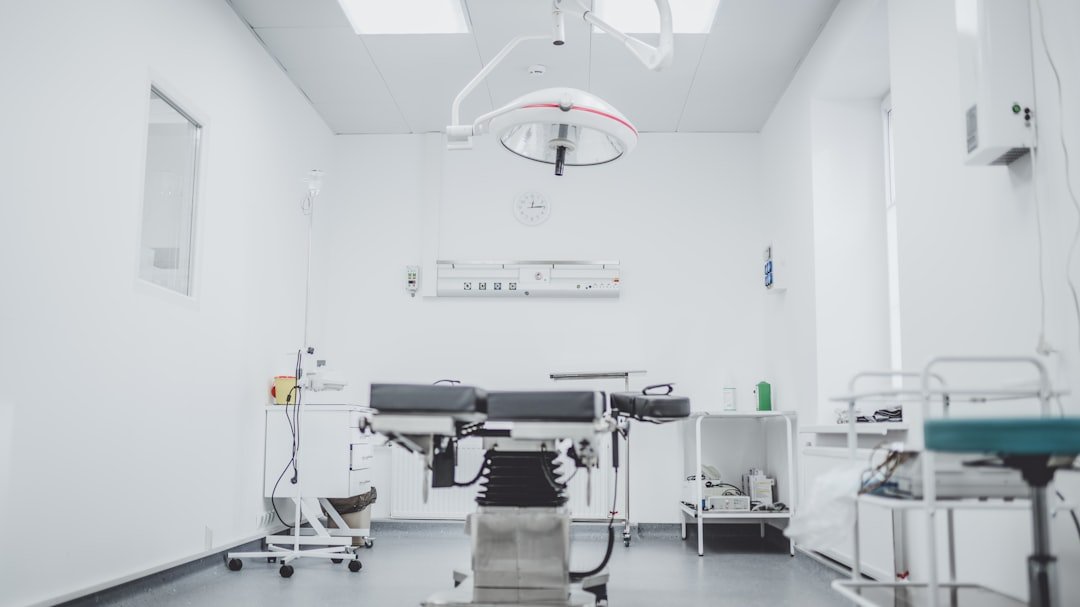
Millions of people across England are gaining access to a new way to screen for human papillomavirus, a significant shift in cervical cancer prevention efforts. The National Health Service is rolling out complimentary home-testing kits to approximately four million individuals over the coming year, marking a modernization of how the country approaches HPV detection.
The distribution model leverages multiple communication channels to reach residents, with invitations arriving through the NHS App, text messages, email, and traditional postal mail. By removing the requirement for in-person clinical visits for initial screening, the program aims to increase participation rates among those who may have barriers to attending traditional appointments. This approach recognizes that some people skip cervical cancer screenings due to scheduling difficulties, discomfort, or other personal circumstances that can be addressed through home-based testing options.
HPV is the virus responsible for the vast majority of cervical cancer cases. While the virus is common and often clears on its own, persistent infection with high-risk strains can lead to precancerous changes and eventually cervical cancer if left undetected and untreated. Screening programs across developed nations have significantly reduced cervical cancer mortality over recent decades, and this new initiative represents an evolution in making screening more accessible to the general population.
The NHS initiative demonstrates growing recognition within public health systems that removing logistical barriers to screening can improve outcomes. People who receive home-testing kits can complete the screening process privately and on their own schedule, then return samples for laboratory analysis. This convenience factor has proven effective in other healthcare contexts where at-home testing has increased overall participation compared to clinic-based approaches.
The staged rollout over twelve months allows the NHS to manage laboratory capacity and ensure quality control throughout the testing process. Individuals receiving invitations will have clear instructions on how to order their kits and complete testing properly to ensure accurate results. Following analysis, participants will receive results through their preferred communication method, with guidance on next steps should any abnormalities be detected.
This expansion of home-testing options complements existing cervical cancer prevention strategies, including the HPV vaccination program that has been administered to younger age groups. The vaccine protects against the most common cancer-causing strains of HPV when administered before exposure to the virus, while screening programs like this one detect existing infections and precancerous changes in people who may not have been vaccinated or who were infected prior to vaccination.
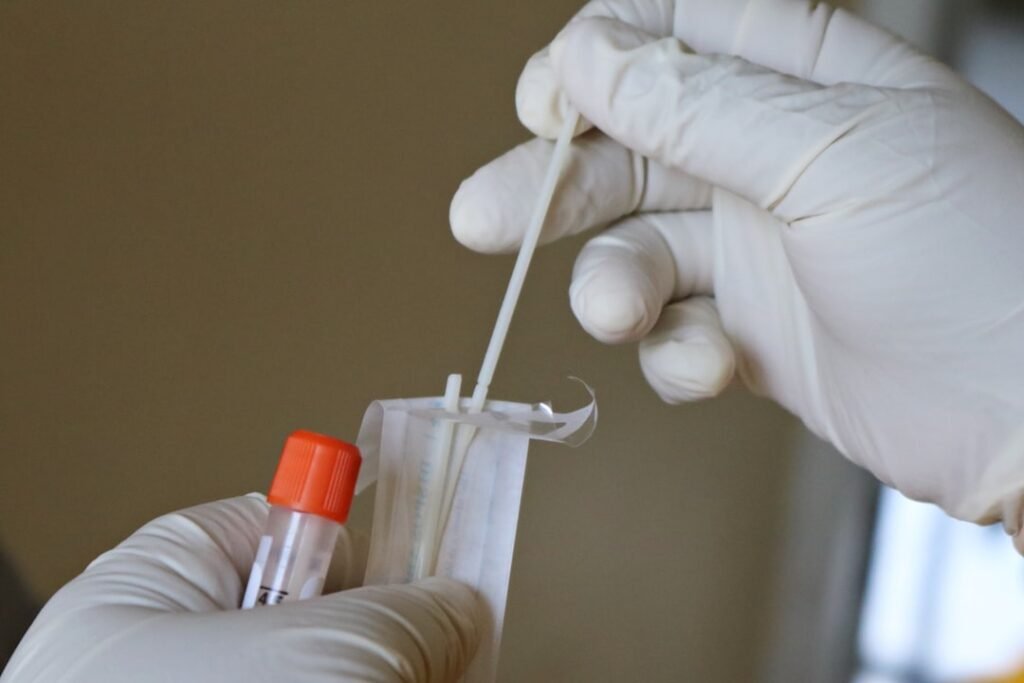
The move also reflects advances in testing technology that have made reliable HPV detection possible outside traditional laboratory settings. Modern molecular testing can accurately identify high-risk HPV strains from self-collected samples, reducing the need for clinician-collected specimens while maintaining diagnostic accuracy. This technological progression has enabled health systems worldwide to reconsider traditional screening models.
Healthcare officials view the program as particularly important for reaching populations with historically lower screening rates. Certain demographic groups consistently show lower participation in cervical cancer screening programs, and offering accessible home-testing alternatives may help bridge these gaps. Improved screening uptake across all communities strengthens overall cervical cancer prevention at the population level.
The availability of free home-testing kits through the NHS represents a significant advancement in cervical cancer prevention accessibility. By reducing friction in the screening process and meeting people where they are, this initiative aims to ensure more individuals receive timely HPV detection and appropriate follow-up care when needed.
Source: BBC News | Published: Wed, 26 Aug 2026 10:46:26
Leave a Reply