

Students in a Caribbean community have demonstrated such remarkable enthusiasm for their education that their school week has expanded dramatically beyond the traditional four-day schedule, now extending into the weekend to accommodate student demand for additional learning opportunities.
The expansion began modestly when educators introduced mathematics instruction to their students. The response proved so positive that learners soon expressed interest in a much broader curriculum. Their requests for Spanish language instruction, English language arts, science, information technology, and social studies courses followed in succession. What started as a targeted approach to mathematics education evolved into a comprehensive academic program driven entirely by student initiative.
The traditional four-day school week quickly became insufficient to meet the demonstrated appetite for learning. Students repeatedly communicated to their teachers that they were prepared for more instruction, approaching their educators with expressions of readiness that moved the conversation beyond classroom necessity into the realm of genuine academic motivation. This student-led demand for expanded educational opportunities prompted administrators to reconsider the school's scheduling structure.
The school responded by adding Saturday to the regular academic schedule, extending instruction beyond the conventional Monday through Thursday calendar. However, even this adjustment proved inadequate to meet the scope of student interest. The decision was made to incorporate Sunday as well, creating an unprecedented six-day-per-week school schedule driven by learner demand rather than administrative mandate. This expansion represents a significant departure from typical educational scheduling and reflects an extraordinary level of student engagement with their studies.
The development raises important questions about educational motivation, resource allocation, and the nature of student achievement in Caribbean learning environments. When students voluntarily extend their time in academic settings and actively request additional subjects and instruction, it suggests several positive conditions may be present: effective teaching methods that engage rather than alienate learners, curricula that address genuine interests and perceived relevance, and a school culture that prioritizes academic achievement. The fact that students themselves initiated requests for expanded subject matter indicates they see value in these additional learning areas and believe education serves their personal and professional development.
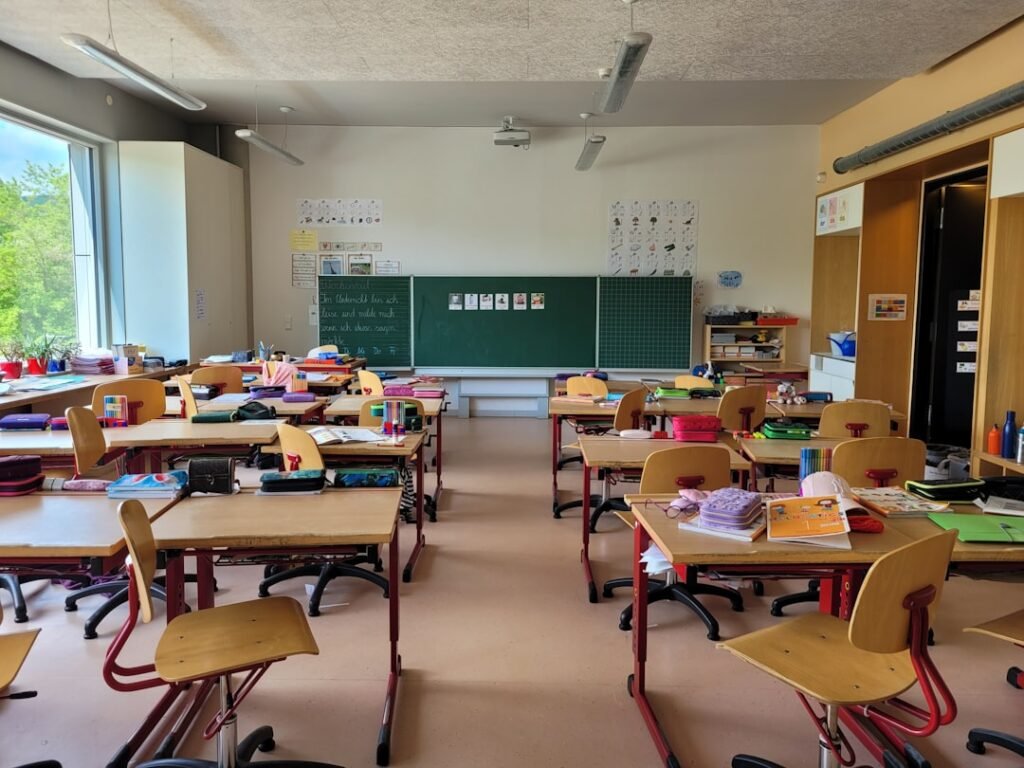
The expansion from a four-day to six-day instructional week also reflects broader conversations within Caribbean education systems about improving academic outcomes and student preparation for increasingly competitive global opportunities. Students' willingness to dedicate weekend time to formal education demonstrates confidence in the institution and its educators. This level of voluntary participation contrasts sharply with educational contexts where students view school as an obligation rather than an opportunity.
The school's responsiveness to student requests represents an educational philosophy that treats learners as stakeholders in their own development. Rather than imposing a rigid schedule, administrators demonstrated flexibility and a commitment to meeting students where their motivation and readiness exist. This approach acknowledges that optimal learning occurs when students feel heard and when their expressed needs shape institutional responses.
While the extended schedule represents a remarkable achievement in student engagement, questions remain about sustainability, educator compensation and workload, and whether such an intensive schedule remains sustainable long-term. Schools operating six-day weeks require additional resources, increased teacher compensation, and careful attention to preventing burnout among both students and staff.
The students' journey from mathematics instruction to a comprehensive six-day academic week demonstrates the transformative power of educational opportunity paired with student determination. In a Caribbean context where education represents a critical pathway to economic mobility and community development, this school's experience offers an encouraging model of what becomes possible when students actively engage in shaping their learning environment.
Source: Lead Stories | Published: Sat, 22 Aug 2026 05:07:01
Leave a Reply