

A grassroots educational initiative in Region Four has demonstrated the transformative power of community commitment following the impact of Tropical Storm Melissa. Thirty-six volunteer educators have stepped forward to provide supplementary instruction across six days a week, responding directly to student demand for academic support in multiple subject areas.
The program began with a focused approach centered on mathematics instruction. However, as word spread throughout the community about the availability of free tutoring, student interest expanded rapidly. What started as targeted math support soon evolved into a comprehensive educational offering. Young learners began requesting instruction in additional disciplines including Spanish, English, science, information technology, and social studies. The volunteers adapted to meet this growing demand, recognizing that students were eager to access quality education in subjects beyond the initial curriculum scope.
The intensity of student engagement became evident when the original schedule proved insufficient. Four weekdays of instruction, initially considered a substantial commitment, began to feel constraining as students demonstrated their hunger for learning. Rather than reducing expectations, the volunteer educators and student body made a collective decision to expand operations. Saturday was incorporated into the weekly schedule, extending the program's reach. The momentum continued to build, and Sunday was soon added as well, creating an unprecedented six-day weekly commitment to supplementary education.
This extraordinary scheduling reflects a remarkable alignment between educator dedication and student motivation. The phrase "Miss, we're ready" captures the essence of student determination and signals a community that refused to let external disruptions derail educational progress. Following natural disasters, educational continuity often faces significant obstacles. Yet in Region Four, both educators and learners demonstrated resilience and commitment to maintaining academic advancement.
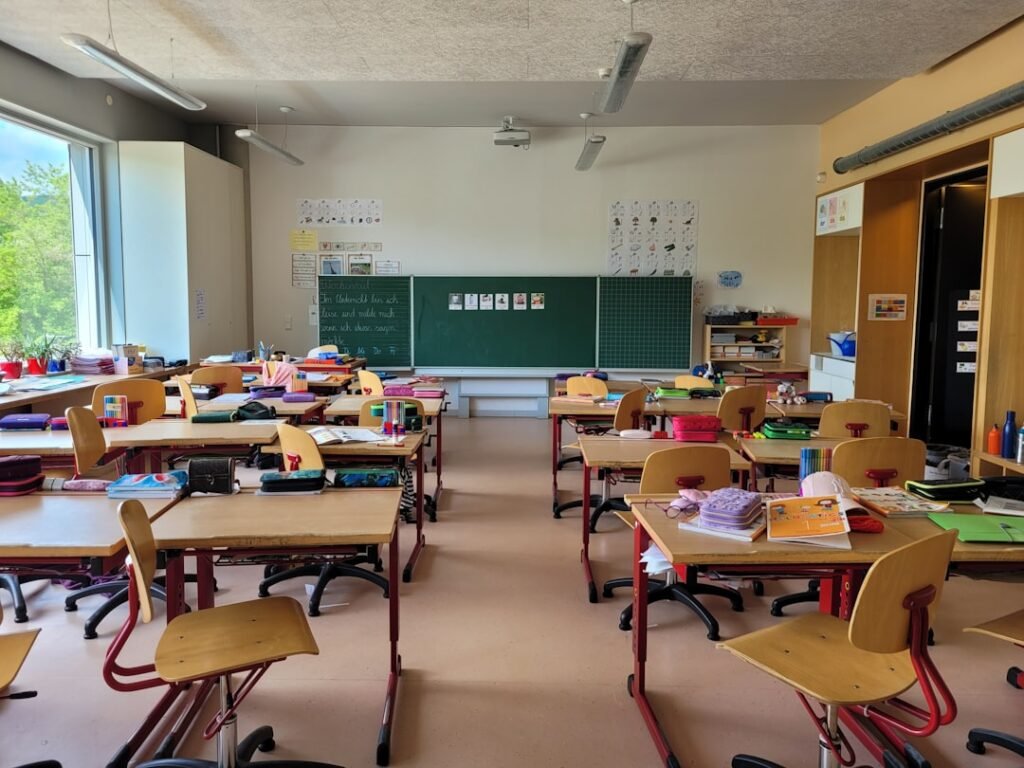
The existence of measurable results validates the approach taken by these thirty-six volunteers. While operating outside the formal school system, this initiative has proven that supplementary education—when delivered consistently and across diverse subject areas—can produce tangible improvements in student performance and engagement. The program's expansion from a single subject to six different disciplines reflects how students themselves identified their most pressing educational needs and how flexible educators responded to those demands.
The sustainability of such an initiative depends on several factors. The volunteer model demonstrates that community members possess both the expertise and willingness to invest time in young people's futures. However, maintaining this level of commitment across six days weekly represents an enormous personal sacrifice for the educators involved. Their persistence suggests either extraordinary dedication or perhaps a recognition that this educational service fills a critical gap in available resources.
The regional context matters significantly. Region Four's experience suggests that communities directly affected by natural disasters can mobilize human resources to address educational disruption more effectively than waiting for formal institutional responses. Student-led demand—evident in requests for expanded subject matter and extended scheduling—indicates that young people understand their educational needs and will take initiative when pathways exist.
As Region Four continues to recover from Tropical Storm Melissa's effects, this volunteer education program stands as a testament to human resilience and community solidarity. The thirty-six educators and their students have created something meaningful in the face of adversity, proving that educational advancement need not wait for perfect conditions or institutional approval. Their commitment to six-day-a-week instruction across multiple subjects demonstrates what becomes possible when a community prioritizes learning above convenience, and when educators answer their students' call to action.
Source: Lead Stories | Published: Sat, 22 Aug 2026 05:07:01
Leave a Reply