
Photo: Kaizenify / Wikimedia Commons, CC BY-SA 4.0
Kogi State has formally begun construction of an international cargo airport, placing a high-stakes bet on aviation as a route from farm production to export markets.
A project aimed at trade
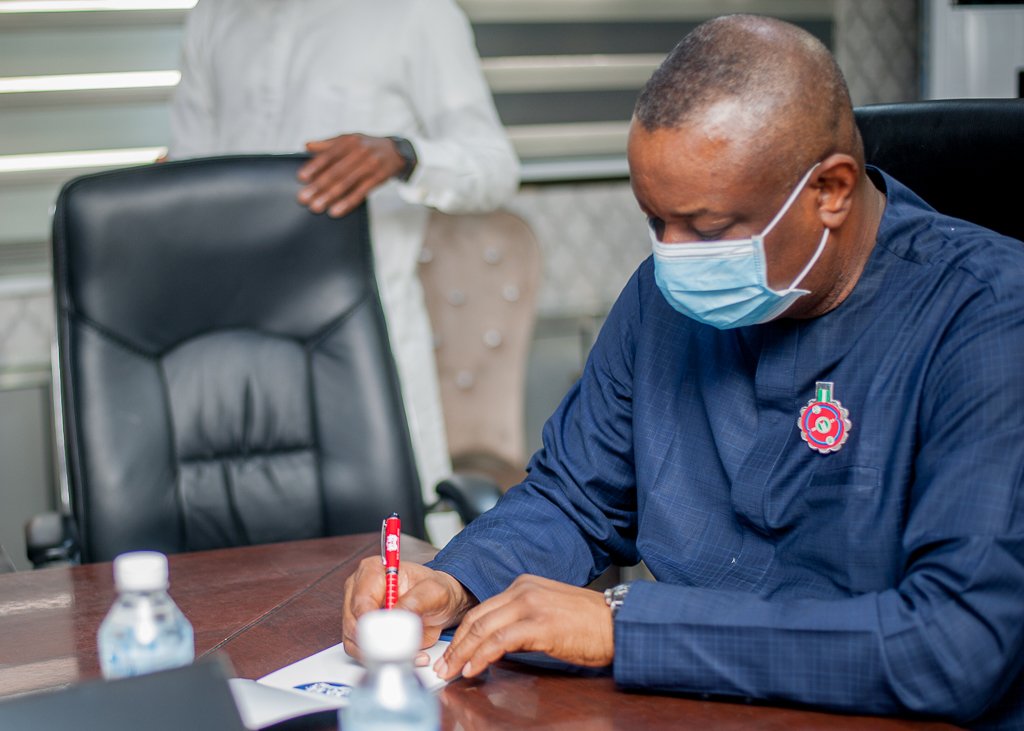
The Federal Government and Kogi State flagged off the Kogi International Cargo Airport on 10 November at Zariagi in Adavi Local Government Area. President Bola Tinubu was represented at the ceremony by Aviation and Aerospace Development Minister Festus Keyamo.
DGBN has also reported on Nigerian Air Traffic Controllers Warn of Service Withdrawal Over Failing Systems.
Officials say the project is designed to strengthen movement of goods and people, attract investors and support commercial activity in a state with sizeable agricultural and mineral resources. Kogi Governor Ahmed Usman Ododo said improved cargo facilities could give farmers and agro-processors better access to domestic and international buyers.
The state has identified commodities including cashew, cassava, rice, maize and palm produce as part of the economic case for the airport. It has also pointed to solid minerals as a potential source of industrial demand.
Jobs and infrastructure claims
Government projections put potential direct and indirect employment at between 2,000 and 3,000 jobs. Those figures are targets, not guarantees, and depend on construction being completed, regulatory approvals, airline services and private-sector activity.
According to Kogi State, the first phase is expected to include a 3,600-metre runway, taxiways, an aircraft parking apron, drainage, perimeter fencing and access roads. The development was formally launched as a cargo airport project, rather than an operating airport with confirmed freight routes.
For more context, read DGBN’s coverage of Nigeria’s aviation reforms win praise, but ‘billions’ claim remains unproven.
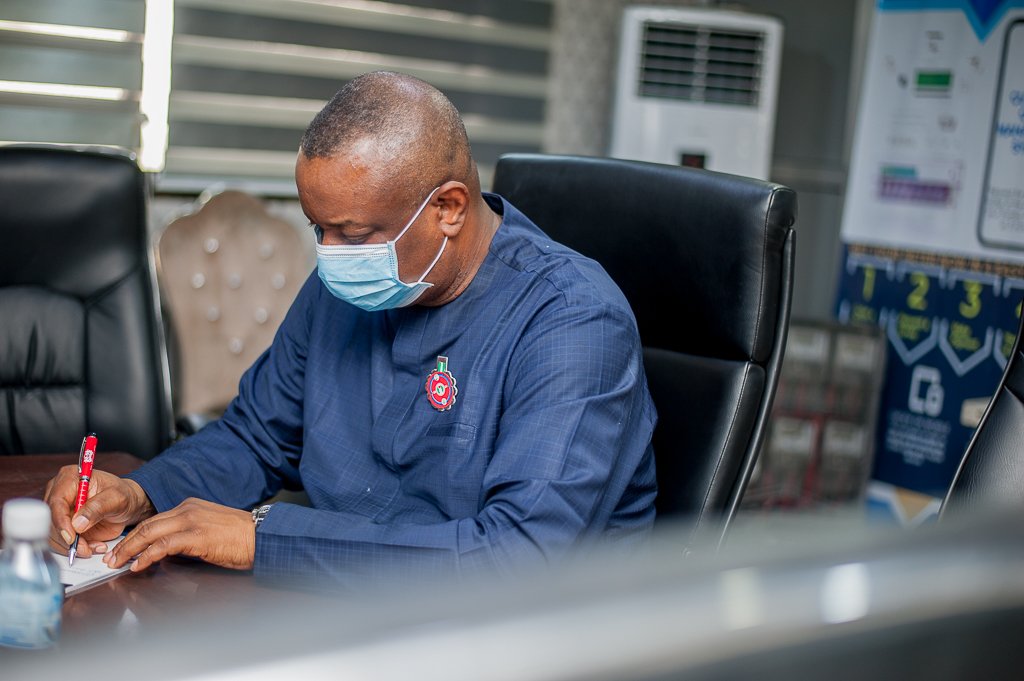
Keyamo argued at the groundbreaking that major infrastructure can draw investment that may not arrive first on its own. That logic puts pressure on the state and federal authorities to build the commercial systems needed to make the airport viable after construction.
Runways alone will not create exports
For Black farmers, entrepreneurs and workers across Nigeria, the promise matters because transport costs, spoilage and weak links to buyers can limit the value communities earn from their own production.
But air cargo is best suited to higher-value and time-sensitive goods, such as selected fresh produce and specialised products. Bulk goods including many staples and minerals are often cheaper to move by road, rail or sea.
A functioning cargo hub will therefore require cold storage, product grading and packaging, reliable road links, customs and export certification, freight forwarders and regular airline capacity. Without these, an airport can become an expensive piece of infrastructure without enough cargo to sustain it.
Industry experts have warned that Nigeria’s cargo-airport ambitions need incentives, competitive freight costs and dependable volumes. The real test for Kogi will be whether it can create an export ecosystem linking farms, processors, logistics firms and overseas customers.
What comes next
The Zariagi project gives Kogi a visible new economic ambition: moving beyond dependence on public-sector employment towards production, processing and trade.
Related DGBN reporting includes Tinubu’s APC sets fibre and digital-jobs targets in 2027 manifesto.
Its eventual impact will be measured not at the groundbreaking, but in whether local producers secure stronger prices, more stable markets and a larger share of the value created from Kogi’s land and labour.