
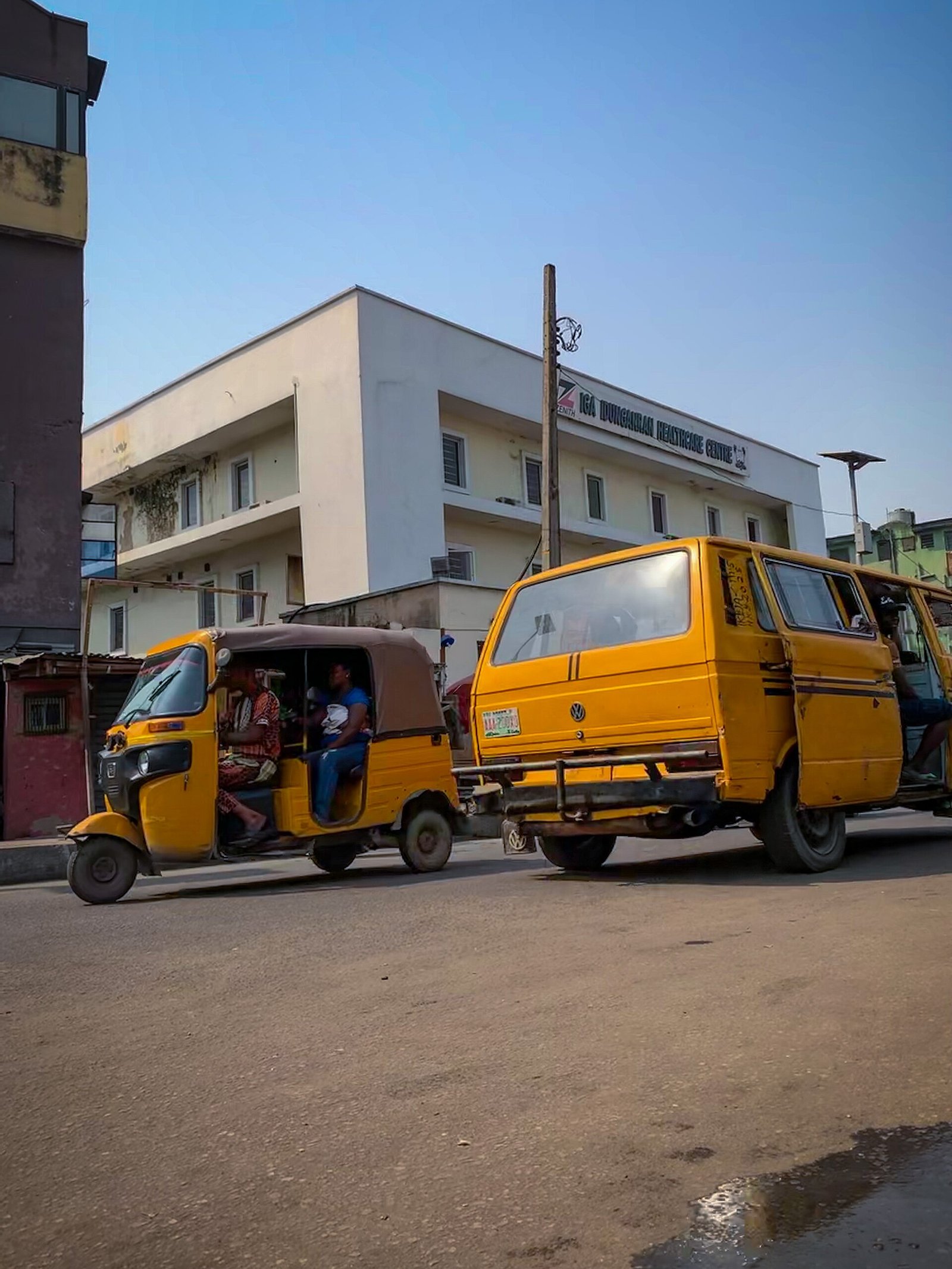
Photo: Asokeretope / Wikimedia Commons, CC BY-SA 4.0
Lagos State Governor Babajide Sanwo-Olu has renewed his administration’s push for a near-$1 trillion economy by 2052, calling on investors to back infrastructure, innovation and skills development in Nigeria’s commercial centre.
A long-term economic target
Speaking at the Nigerian-British Chamber of Commerce’s Lagos Executive Business Breakfast Meeting in Lekki on 28 October, Sanwo-Olu said the goal is tied to the Lagos State Development Plan 2052.
DGBN has also reported on NITDA and US Chamber delegation explore digital economy investment in Nigeria.
The plan sets out 447 initiatives across 21 sectors and is built around four priorities: a productive economy, a human-centred city, modern infrastructure and effective governance. The state’s wider development framework, which runs from 2023 to 2052, is designed to position Lagos as a globally competitive financial and economic hub.
Sanwo-Olu urged businesses to view Lagos not simply as a huge consumer market, but as a base for production, technology, trade and exports. He said sustained investment in transport, power regulation, digital networks, healthcare, education and human capital would be needed to meet the target.
Ports, rail and business conditions
The governor highlighted the Blue and Red rail lines, the Lekki Deep Sea Port, industrial projects and the growth of the technology and creative sectors as key components of the state’s strategy.
For more context, read DGBN’s coverage of Africa Tech Alliance Forum sets November date for sixth Lagos edition.
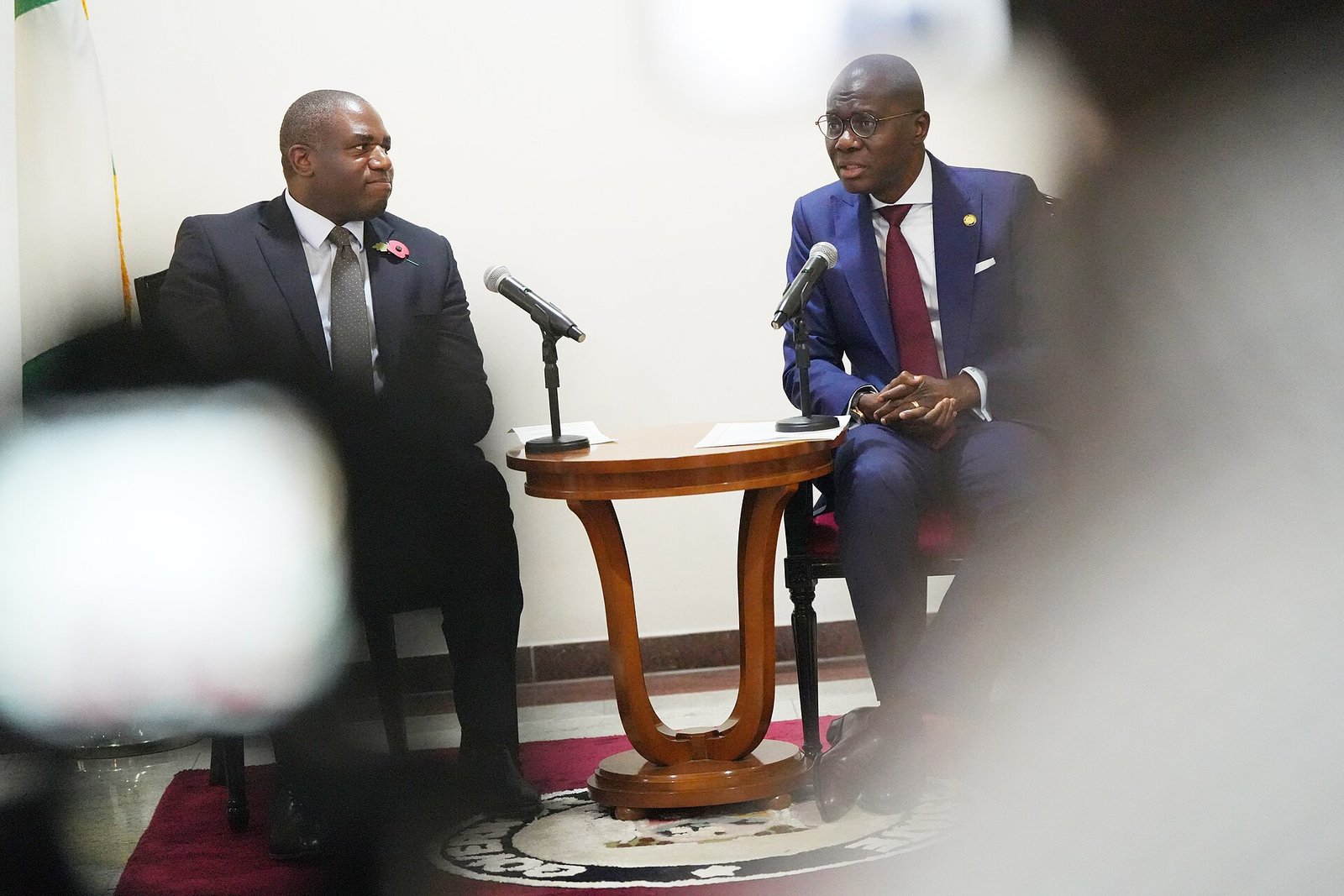
He said the Lekki port is operating at full capacity and has requested more land for a proposed second phase. Sanwo-Olu also said approval had been granted for the proposed Badagry Deep Sea Port, with two international shipping lines indicating interest in working with the project.
For manufacturers and traders, more efficient ports could lower delays and improve access to regional markets. That matters beyond Lagos: the state’s logistics networks shape the movement of goods across Nigeria and into West Africa.
Sanwo-Olu also said the government would clear a backlog of land documents awaiting Governor’s Consent, arguing that residents and businesses need functional property assets that can be used or traded. Reliable land administration is a central concern for investors, homeowners and small firms seeking to raise capital.
The test will be delivery
The governor said Lagos’ budget had risen from about ₦700 billion in 2019 to ₦4.2 trillion in 2026, reflecting larger development needs and the need for stronger revenue generation.
The $1 trillion aspiration is not new: state officials have previously presented it as a long-range objective requiring policy consistency and far greater private-sector participation. The immediate announcement is Sanwo-Olu’s latest appeal for capital and business collaboration around that agenda.
Related DGBN reporting includes Nigeria’s data-localisation drive tests whether sovereignty can go beyond server space.
For wider context, see Gabriel Martinelli’s Arsenal Exit Raises Questions After Arteta Snub on Diajem Sports Network.
For Lagosians, the significance will be measured less by the headline GDP figure than by whether investment produces dependable transport, decent work, affordable services, stronger local industry and more accessible healthcare and education. A city economy of that scale must also deliver broader opportunity for the workers, entrepreneurs and communities powering Lagos every day.