
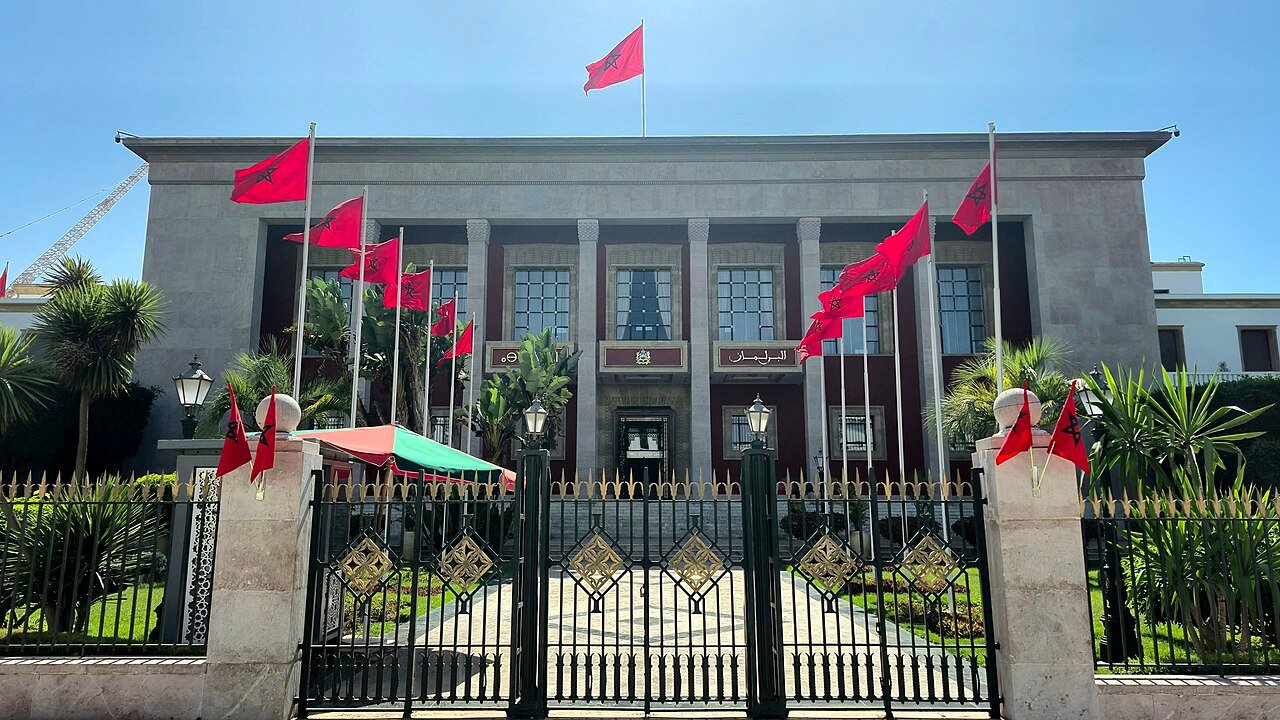
Photo: Taha ahh/Wikimedia Commons · CC0
Moroccan lawyers are preparing legal challenges to results from the country’s 23 September parliamentary election as unsuccessful candidates and political parties review official records and consider whether to file cases within the statutory appeal period.
Hespress reported that lawyers have been approached by candidates who did not win seats and are examining election documents, including official polling records and minutes produced by local authorities. The legal work centres on alleged irregularities raised by candidates and parties, but those allegations have not been established by a court.
Under Morocco’s electoral framework, challenges to parliamentary results can be submitted to the Constitutional Court within the applicable legal deadline. The court can examine the evidence presented, reject petitions that do not meet procedural or evidential requirements, or in appropriate cases annul an election result and order further electoral steps.
Appeals are not the same as overturned results
The distinction is important. Preparing or filing an appeal does not by itself change the declared result of an election. Any alteration to a seat allocation would depend on a ruling by the competent judicial authority after considering the evidence and legal arguments.
The legal preparations are taking place while Moroccan lawyers continue a separate professional dispute over legislation governing the legal profession. Some lawyers have nevertheless been working on election-related cases, while political parties have also organised legal teams to support candidates considering challenges.
Istiqlal has said it has lawyers available to assist candidates, while the Party of Progress and Socialism has assembled a legal team that includes lawyers, academics and other legal specialists. Candidates may also submit petitions through the formal process without the preparation of a legal challenge automatically implying wrongdoing by election officials or rival candidates.
Post-election process continues
The appeals process is unfolding alongside negotiations to form a new government. PAM emerged as the largest party in the parliamentary vote, and designated Head of Government Fatima Ezzahra El Mansouri has begun consultations with RNI, Istiqlal and other political parties.
DGBN is following those negotiations separately in our report on Morocco’s coalition talks under El Mansouri. The broader legal and institutional context also connects with DGBN’s reporting on the Africa Prosecutors Association’s permanent headquarters in Morocco and on electoral transparency and political accountability in West Africa.
For now, Morocco’s announced parliamentary results remain in force unless and until a competent court orders otherwise. DGBN will treat individual allegations as claims requiring judicial determination rather than as established findings.