
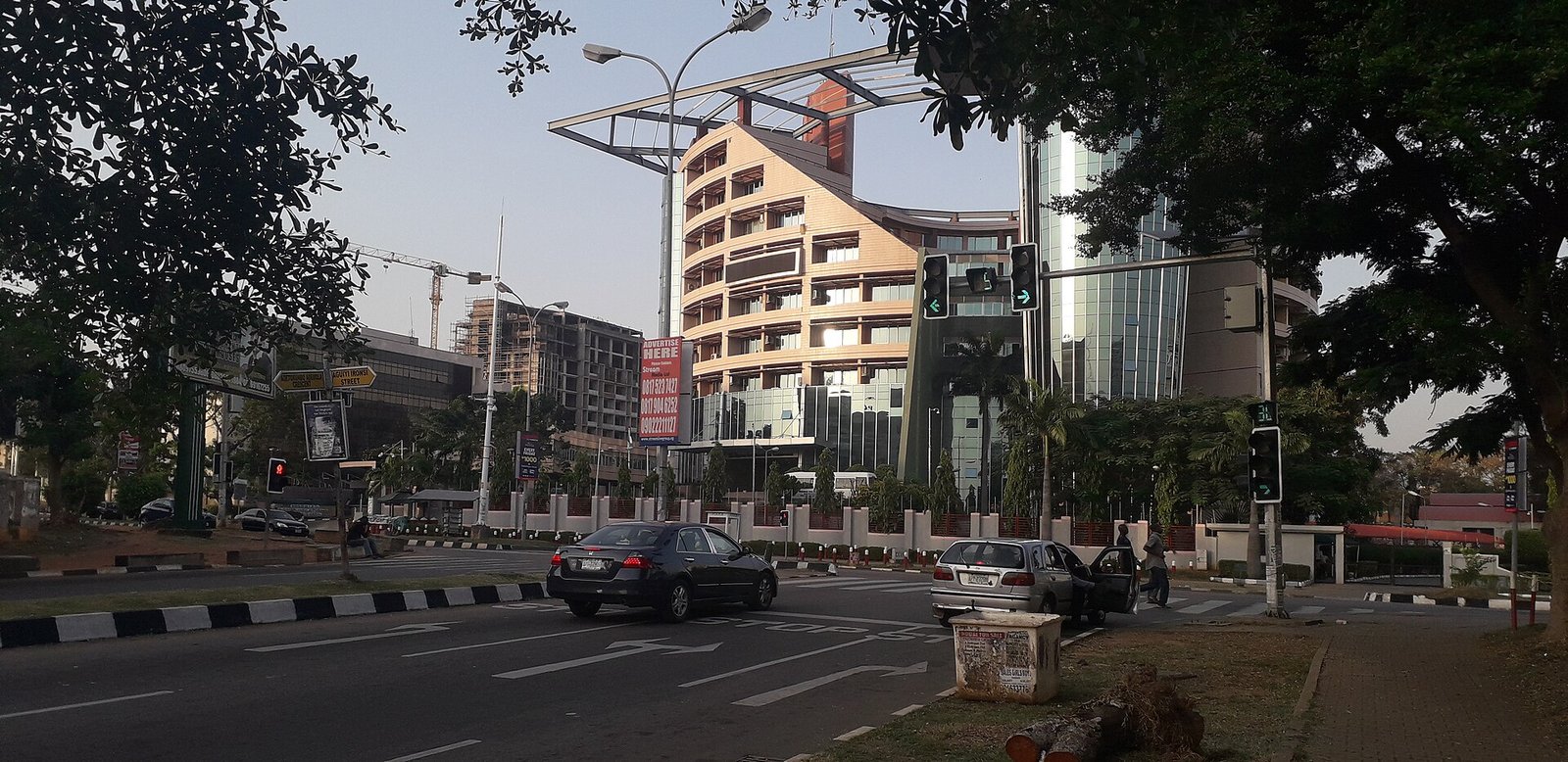
Photo: Naziftm / Wikimedia Commons, CC BY-SA 4.0
Nigeria’s 66th independence anniversary has renewed attention on a decisive question: whether the country can turn its huge digital market into broad-based economic power.
A growing foundation, but an unfinished job
An opinion article published by NewsGhana on 3 October argued that Nigeria must use its independence milestone to make concrete commitments on connectivity, education, innovation, accountable government and sustainable growth.
DGBN has also reported on Nigeria’s digital future must reach beyond Lagos, advocates say.
Original source: Original source.
The argument lands as Nigeria’s digital base continues to expand. Nigerian Communications Commission data show broadband subscriptions reached 124.4 million in July 2026, up from 104.1 million a year earlier. That growth signals the scale of demand for online trade, financial services, entertainment, education and public services.
But subscription totals do not automatically mean reliable, affordable or meaningful access. Households and small businesses still depend on networks, electricity, devices and digital skills working together. A digital economy cannot be confined to major cities or built around mobile access alone.
Infrastructure is the real test
The Federal Ministry of Communications, Innovation and Digital Economy says Project BRIDGE is designed to deploy at least 90,000 kilometres of fibre across all 36 states and the Federal Capital Territory, connecting more than 770 local government areas. The ministry has also said it is pursuing new tower deployment through the Nigeria Universal Communication Access Project.
These plans matter because fibre, power, data centres and secure networks sit beneath every visible digital service — from a market trader’s payment terminal to an online classroom or a hospital record system.
For more context, read DGBN’s coverage of Alamein Africa Forum opens in Egypt with 1,500 delegates.
In August, the government unveiled a National Digital Cloud Policy aimed at attracting investment in data centres and cloud infrastructure, improving government services and strengthening control over defined categories of public and regulated data. Its success will depend on transparent implementation, predictable regulation and dependable energy.
Skills and inclusion cannot be an afterthought
Nigeria has one of Africa’s most dynamic technology and creative sectors, with young founders, developers, artists and digital workers shaping markets at home and across the diaspora. Yet national progress will be limited if opportunities remain concentrated in Lagos, Abuja and a small number of connected communities.
The NewsGhana opinion piece, written by Professor Ojo Emmanuel Ademola, called for stronger digital education, including coding, data science and digital ethics, alongside investment in research and lifelong learning. That focus is critical: infrastructure without skills can deepen inequality, while skills without jobs and connectivity can fuel frustration and migration.
For Black communities across Africa and the diaspora, Nigeria’s choices matter beyond its borders. The country’s scale means that better digital public infrastructure, locally rooted technology and stronger creative industries could expand opportunities across West Africa and reshape how African talent participates in the global economy.
From promise to delivery
Nigeria’s digital future should be measured by outcomes: whether a farmer can obtain useful market information, whether a student can learn online without interruption, whether a small business can reach customers, and whether citizens can access public services securely.
Related DGBN reporting includes Nigeria at 66: Abubakre Calls for Institutions That Outlast Resilience.
At 66, the country has the market, talent and cultural reach to lead. The harder task is converting those assets into resilient infrastructure and institutions that serve all Nigerians, not only the already connected.