
The people who keep Nigeria’s skies safe say they are running out of patience, and are now openly warning they could down tools.
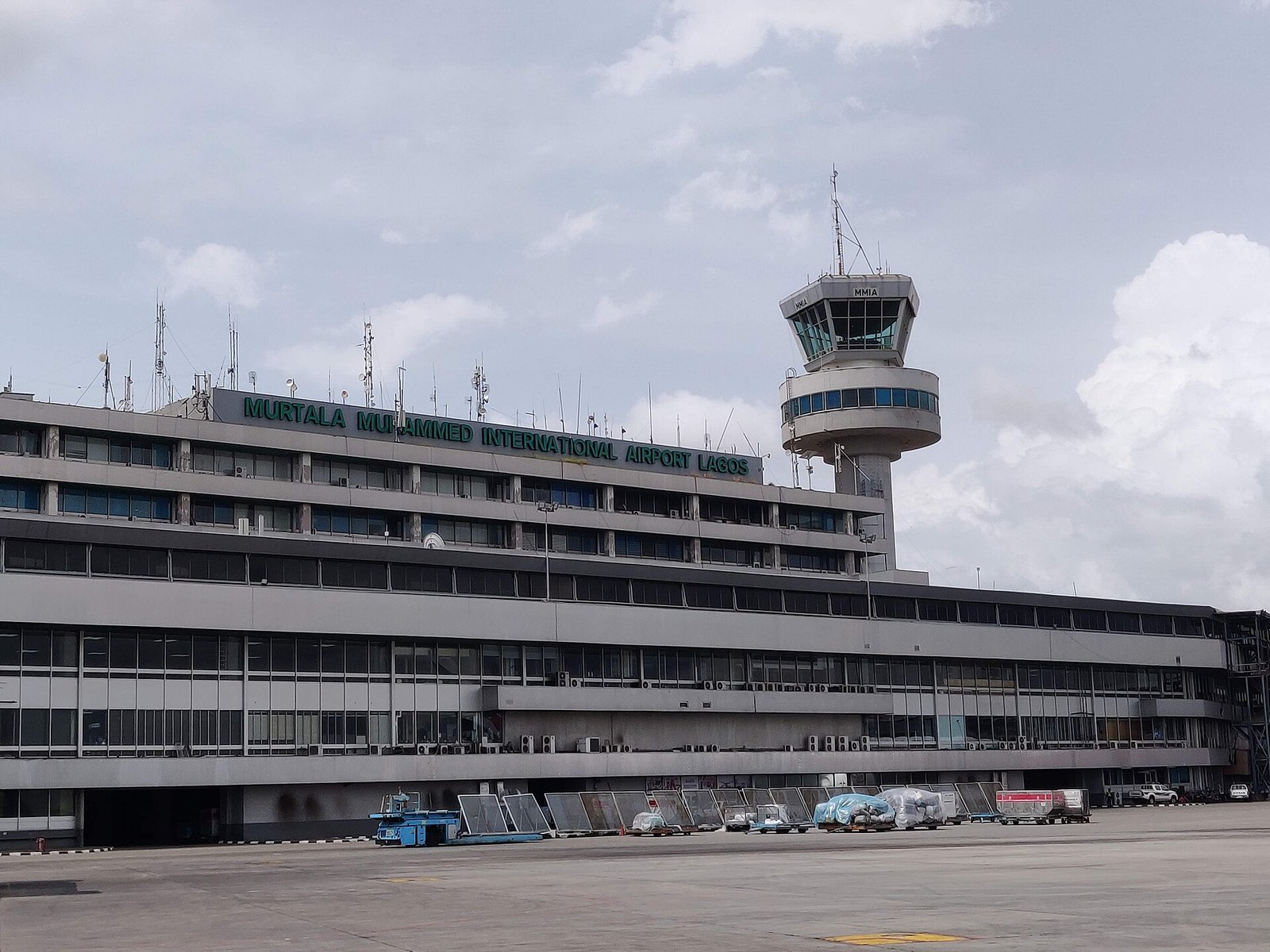
Main photo: Sm105 / Wikimedia Commons, CC BY-SA 4.0
The Nigerian Air Traffic Controllers’ Association (NATCA) said on Tuesday that it may consider withdrawing its services unless the Federal Government produces a clear, comprehensive plan to overhaul the country’s communication and surveillance infrastructure.
The warning came from NATCA’s national president, Edino Amos, at the association’s 55th Annual General Meeting, held under the theme “Beyond Silos to Synergy: Shaping the Future of Nigerian Air Traffic Management”, as reported by Punch and Premium Times.
“Not as a threat, but as patriots”
Amos said 2026 had been a particularly hard year for controllers, with no significant improvement in the radio and surveillance systems they rely on to coordinate aircraft and keep safe separation between flights.
He acknowledged that the authorities had announced approvals and procurement milestones, but said those had yet to translate into better equipment at the console. Controllers, he argued, should not have their core safety tools left at the mercy of funding uncertainty and drawn-out procurement.
The association said it had sought high-level engagement with the Minister of Aviation and Aerospace Development, the National Counter Terrorism Centre, the Office of the National Security Adviser and the management of the Nigerian Airspace Management Agency (NAMA).
Addressing the aviation minister directly, Amos said the union was speaking not as a threat but as patriots who sit daily in front of screens and failing frequencies to keep the country safe. No date or formal strike notice has been announced.
What controllers want
NATCA argued that serious investment in communication and surveillance would pay off in five ways: safer airspace, less waste and better profitability for airlines, more traffic and government revenue, stronger national security, and an improved global rating for Nigeria.
There was no immediate public response from the aviation ministry or NAMA to the latest warning at the time of writing.
Why it matters
Nigeria is West Africa’s biggest aviation market and a key gateway for diaspora travel, trade and tourism, from Lagos to London, Houston and Johannesburg. Any disruption to air traffic services would ripple well beyond its borders.
The controllers’ warning also cuts against the government’s message that the sector is on the mend. DGBN recently examined that claim in Nigeria’s aviation reforms win praise, but ‘billions’ claim remains unproven.