
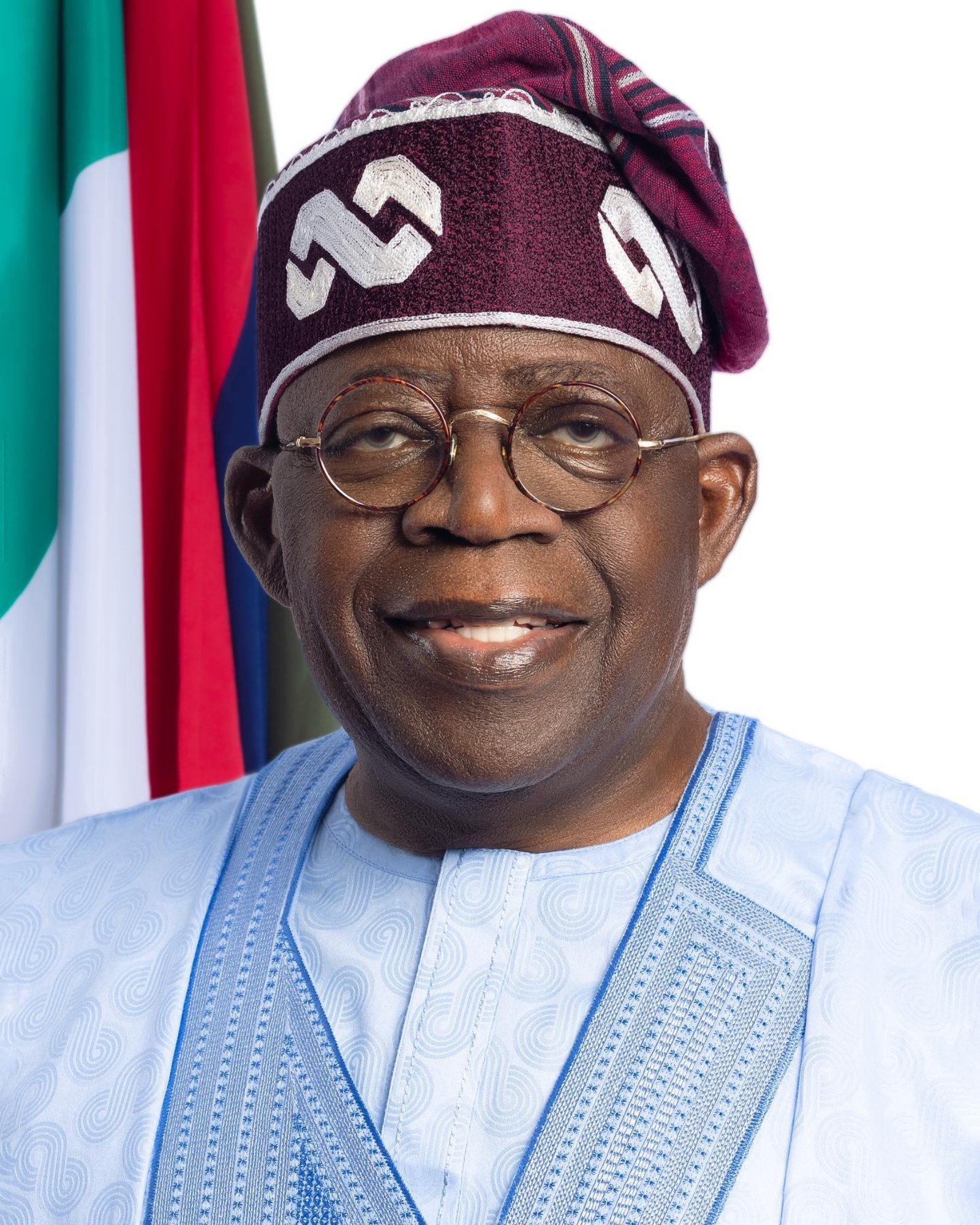
Photo: Nosa Asemota / Wikimedia Commons, CC BY-SA 4.0
Nigeria’s economic reforms should be measured by whether they improve people’s lives, not by the volume of government policy announcements, Dr Atilade Olufemi Oshoniyi has said.
A demand for measurable change
In an interview published by The Guardian on 2 November, Oshoniyi argued that Nigerians’ endurance through economic hardship cannot be treated as a permanent development strategy.
DGBN has also reported on Tinubu’s $21.7bn borrowing request puts Nigeria’s debt debate back at centre stage.
The US-based engineer and entrepreneur said the test of reforms should be stronger public finances alongside reliable electricity, better farm output, transport improvements and sustainable jobs. Where these outcomes fail to emerge, he said, the government should amend its approach rather than defend policies on principle.
His intervention comes as President Bola Tinubu’s administration faces continued pressure to demonstrate how major changes to fuel subsidies, foreign-exchange policy and taxation are improving conditions for ordinary households.
Fiscal gains need public proof
Oshoniyi called for fuller disclosure of how savings linked to subsidy removal have been used, proposing a public dashboard that would track allocations, projects, contractors, payments and independently verified delivery milestones.
The Federal Ministry of Finance has said estimated subsidy savings across the federation totalled ₦15.8 trillion, with the federal government receiving an estimated ₦5.43 trillion share. The ministry says the wider reform picture also includes additional revenues and borrowing, while new expenditure pressures exceeded incremental resources.
But the International Monetary Fund has said challenges remain in tracking whether and how fuel-subsidy savings have accrued to the budget. It also urged stronger fiscal reporting, transparency and accountability.
For more context, read DGBN’s coverage of Yahaya Bello pledges two-week Kano push for Tinubu’s 2027 campaign.
That distinction matters for Nigerians because public confidence depends not simply on headline savings figures, but on whether people can see improved schools, clinics, roads, power supply and social protection in their communities.
Household welfare remains the central test
The IMF said in June that reforms since 2023 had strengthened Nigeria’s macroeconomic resilience, while warning that conditions remained difficult for many citizens. It estimated poverty at 63 per cent under the national poverty line and said 27 million people had faced food insecurity in late 2025.
Oshoniyi said lower inflation should not be confused with lower prices: goods can still become more expensive, only at a slower rate. He urged the government to publish regular measures of real wages, food affordability, energy costs, job quality and disposable income.
He also questioned the effectiveness of social protection when enrolment figures are not matched by reliable payments. The IMF reported that 9.2 million households had been enrolled in the cash-transfer system against a target of 15 million, and that enrolled households had received no more than three ₦25,000 payments since 2023 at the time of its assessment.
Beyond stabilisation
Oshoniyi said the next phase must focus on productive investment: dependable power, manufacturing, agricultural value chains, skills, infrastructure and security. He argued that attracting portfolio investment alone is not equivalent to creating factories or permanent work.
For Black communities across Nigeria and the diaspora, the debate is also about accountability: whether national wealth and difficult economic adjustments translate into wider opportunity, dignity and economic security.
Related DGBN reporting includes Obasanjo says Nigeria’s debt burden is ‘worse than leprosy’.
The standard, Oshoniyi said, should be visible and measurable progress in people’s pockets and neighbourhoods.