
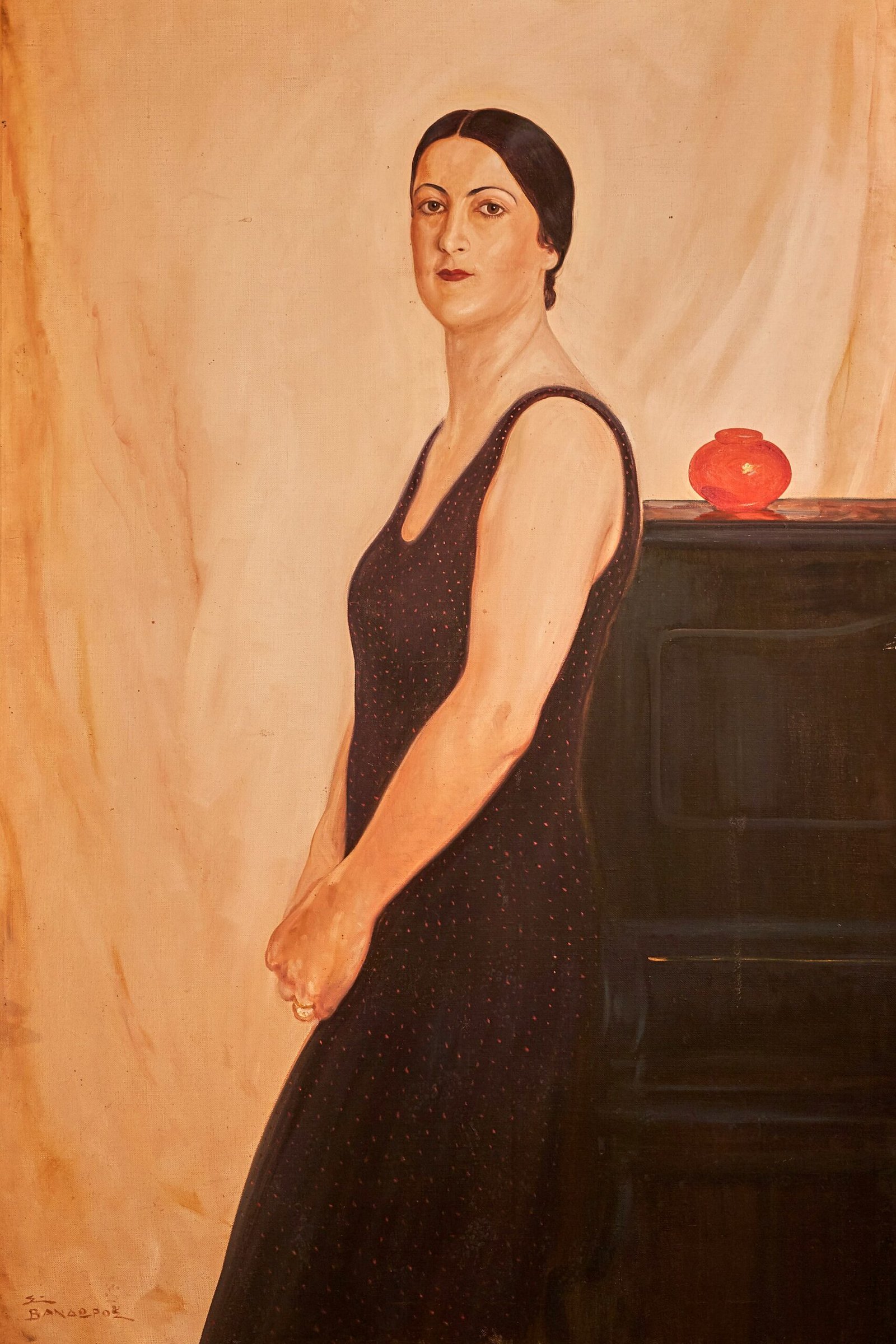
Photo: George E. Koronaios / Wikimedia Commons, CC BY-SA 4.0
Cephas Williams’ Portrait of Black Britain has returned to Manchester, bringing a wider photographic record of Black life in the UK to Aviva Studios.
A public archive of Black life
The free exhibition opened at The Social, Aviva Studios, on 2 October and is scheduled to run until 1 November. It brings together 228 portraits, including new works, in an evolving archive that asks a direct question: what does it mean to be Black and living in Britain today?
DGBN has also reported on Capital XTRA spotlights Black British pioneers for Black History Month.
Original source: Original source.
Williams’ project deliberately looks beyond celebrity and conventional definitions of achievement. Its subjects come from across communities and professions, placing ordinary lives, local leadership and cultural contribution on the same public stage as better-known names.
Factory International says the exhibition is intended to offer younger people and the wider public a fuller picture of the African diaspora in 21st-century Britain. That purpose is visible in the scale of the work: the project makes space for Black Britons to be seen not as a single community with one story, but as people with distinct histories, occupations and connections.
From Manchester Arndale to Aviva Studios
Portrait of Black Britain was first commissioned for Manchester International Festival in 2021. Its original presentation displayed 116 portraits throughout Manchester Arndale, taking Black representation into one of the city’s busiest everyday spaces.
For more context, read DGBN’s coverage of Man City open talks with Chelsea over Fernandez move.
The move to Aviva Studios reconnects the project with Manchester while giving the archive a new institutional setting. The latest presentation also reflects the project’s growth since its first public showing.
Williams is known for earlier work including 56 Black Men, Letter to Zion and the Black British Network. Across those initiatives, his work has challenged narrow and often damaging assumptions about Black identity, especially those shaped by policing, media coverage and social stereotypes.
Why the exhibition matters
For Black audiences, the exhibition’s value lies in its refusal to make representation conditional on exceptionalism. It records people whose lives may rarely appear in galleries, national archives or mainstream news coverage, yet who help shape Britain’s workplaces, families, neighbourhoods and creative life.
That approach also matters for the diaspora across Africa, the Caribbean and Britain. The portraits provide a visual record of how migration, heritage and belonging are lived across generations, without reducing Black British identity to trauma or a single origin story.
Related DGBN reporting includes Man City’s £80m move for Gakpo close to collapse.
For wider context, see Man Utd Women 1-0 Liverpool: Zigiotti Olme chip and Tullis-Joyce saves seal back-to-back wins on Diajem Sports Network.
Portrait of Black Britain is open Tuesday to Sunday, from 10am to 6pm, with free entry and no booking required. Its return offers Manchester audiences a chance to engage with Black British life as an unfolding collective history rather than a temporary cultural theme.