
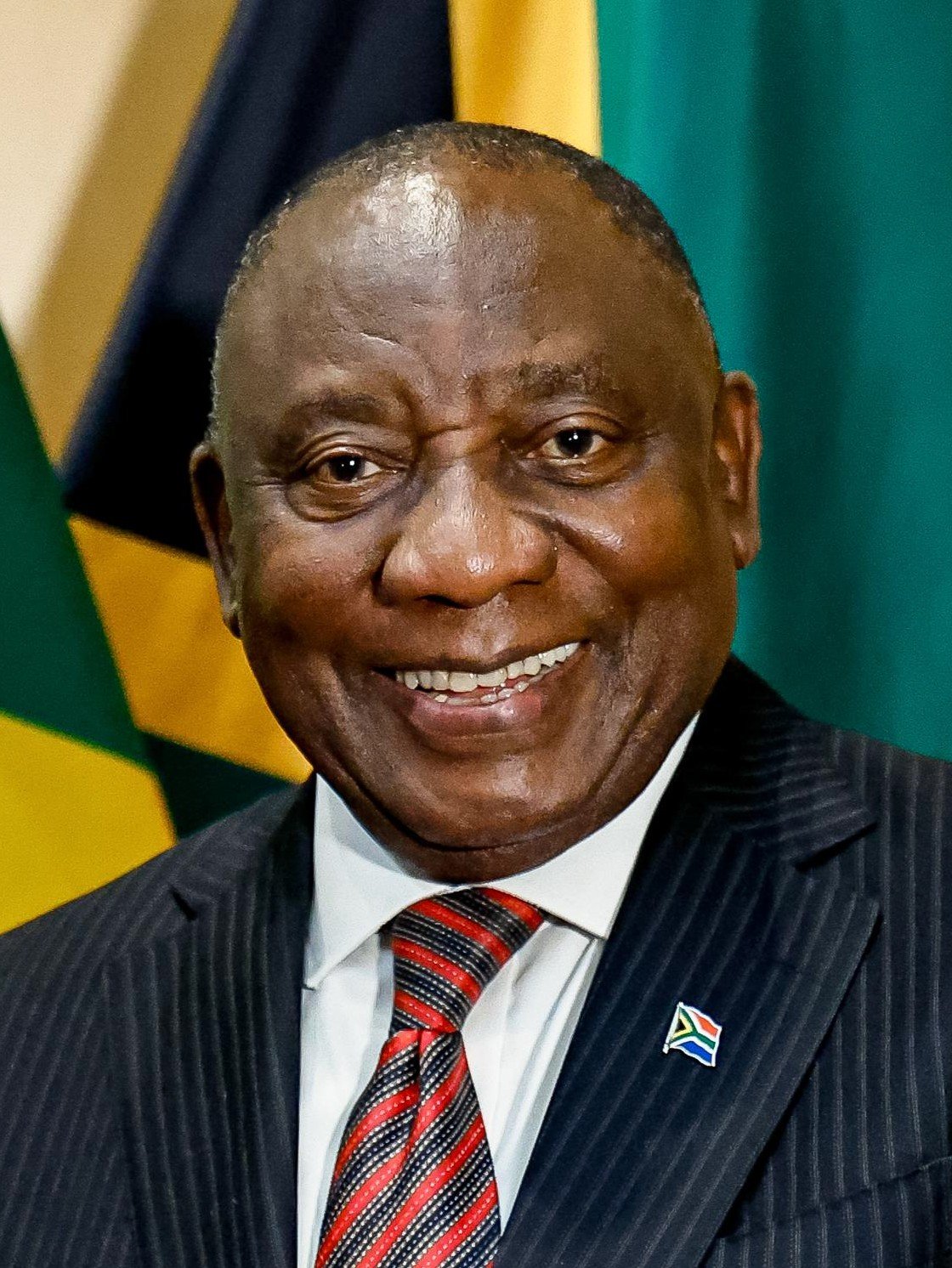
Photo: Ricardo Stuckert / Wikimedia Commons, CC BY 4.0
President Cyril Ramaphosa says South Africa must become a producer of artificial intelligence, rather than remaining dependent on technologies designed and controlled abroad.
A Silicon Valley push for local capability
Ramaphosa is leading a South African delegation on a working visit to Silicon Valley from 15 to 21 November, bringing together representatives from government, business, universities, research institutions and technical fields.
DGBN has also reported on Fani-Kayode and Ramaphosa’s spokesman clash over Nigeria’s missing livestream slot.
Speaking as the programme began, he said the country could not afford to be left behind as AI reshapes economies, workplaces and public services. The stated purpose of the visit is to learn from leading technology companies, investors and researchers while building partnerships that can support South Africa’s own AI ecosystem.
“South Africa should be a producer rather than a mere consumer of AI innovation,” Ramaphosa said in his weekly message on Monday.
His intervention goes beyond attracting data centres or buying foreign software. It places the focus on building domestic firms, research capacity, skills and intellectual property — assets that determine who gains long-term value from the AI economy.
For more context, read DGBN’s coverage of South Africa needs $75bn a year in investment to unlock growth, Maree says.
Jobs, regulation and sovereignty
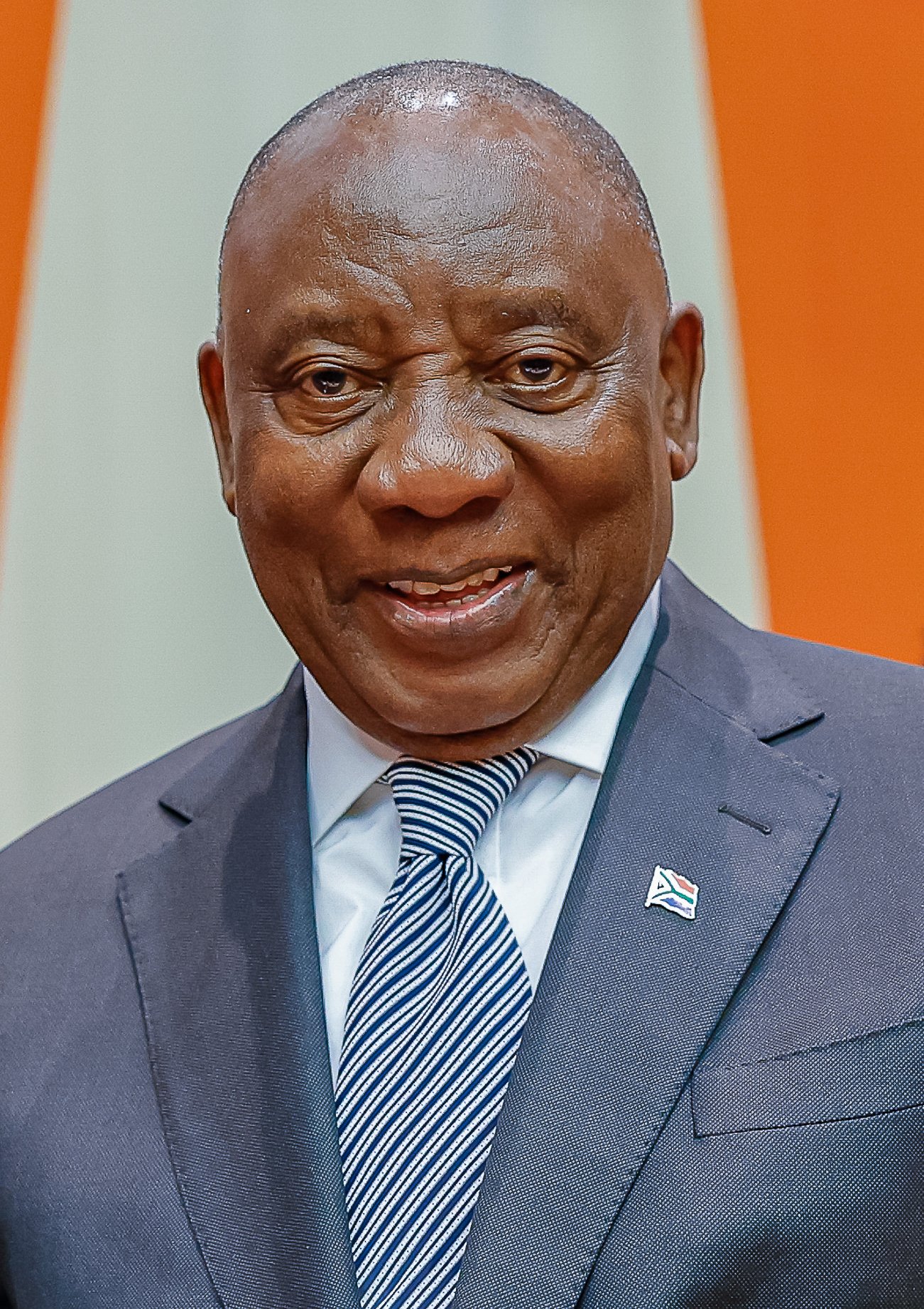
Ramaphosa said AI could improve productivity, public services and economic growth, but warned that rapid automation also poses risks for workers. Agriculture, retail, manufacturing, customer service and administrative work were among the sectors identified as likely to be disrupted.
He said South Africa wanted to study regulatory approaches that balance innovation with employment protection. The government has also stressed that AI adoption must not come at the cost of the country’s digital sovereignty.
That question is especially significant for Black South Africans and the wider continent. If African countries only supply users, data, labour and markets to global platforms, the wealth generated by AI is likely to flow elsewhere. Developing local expertise and African-centred technology could instead create new routes into high-value employment, entrepreneurship and research.
An African AI economy in view
The Silicon Valley programme includes the South Africa AI Opportunity Gathering, focused on building an African AI economy through infrastructure, investment and innovation. Officials say the trip will also explore cybersecurity, research partnerships and possible investment.
South Africa already has a draft national AI policy, which identifies affordable computing capacity, high-speed connectivity, data governance and human skills as key requirements for wider adoption. The challenge will be turning those policy goals into investment and institutions that reach beyond a small group of major companies and urban centres.
Related DGBN reporting includes Africa’s Energy Transition Must Put Water Security First, Advocates Say.
For wider context, see Ivory Coast 0-1 Cameroon: Nsongo wins it for the Indomitable Lions on Diajem Sports Network.
Ramaphosa’s message is clear: South Africa wants to learn from Silicon Valley, but not copy it. The test after this week’s meetings will be whether the visit delivers practical commitments that help African innovators build technologies for African needs.