
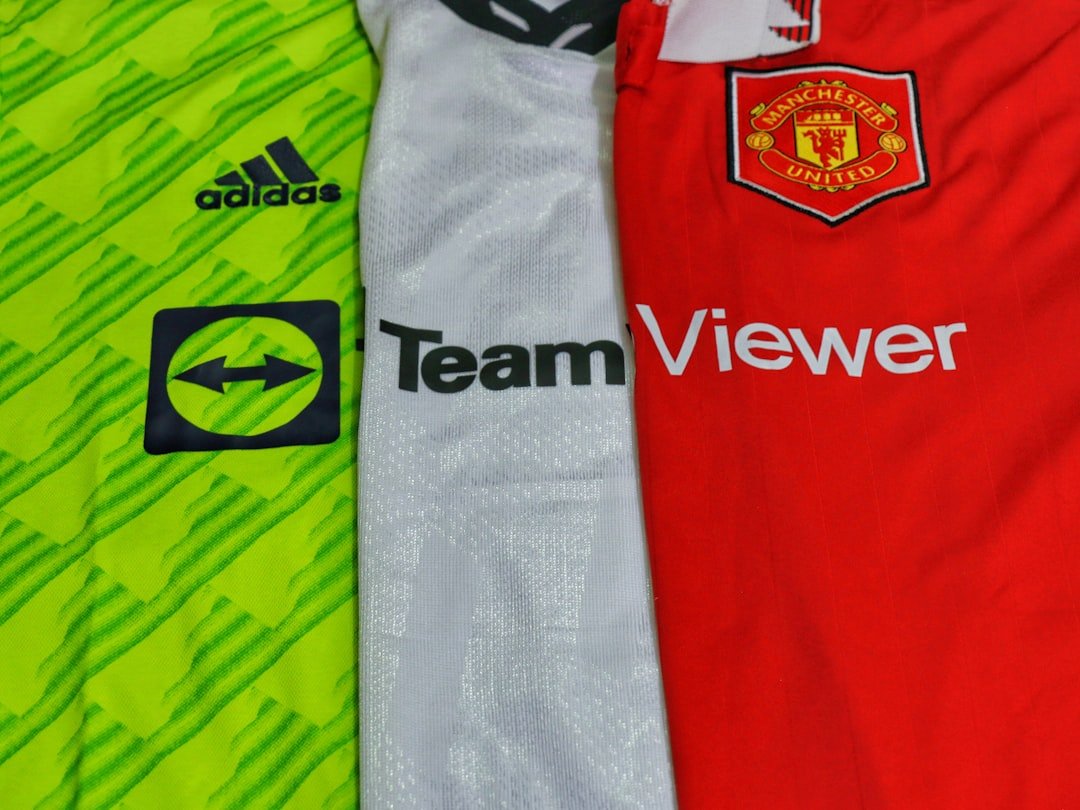
Fantasy Premier League managers face critical roster decisions as the season progresses into its second gameweek, with several high-profile players presenting difficult strategic choices for those seeking to maximize their points totals.
Among the most pressing concerns for fantasy enthusiasts is the captain selection dilemma, particularly when deciding between elite attacking talent and midfield playmakers. The decision of whether to award the captaincy to Manchester City's prolific forward or to Manchester United's creative midfield force represents the kind of consequential choice that can significantly impact a manager's overall standing in their leagues. Both players offer compelling cases for armband selection, with their recent form, upcoming fixtures, and historical performance metrics all factoring into the calculation.
The question of whether to retain Manchester United assets has emerged as another major strategic consideration for FPL participants. Some fantasy managers are contemplating early transfers to move away from Red Devils players, raising broader questions about the wisdom of holding onto expensive squad members versus pursuing alternative options. This dilemma reflects the ongoing challenge of balancing loyalty to established talent against the potential returns available elsewhere on the pitch.
These kinds of decisions represent the core strategic elements that separate successful fantasy football managers from the rest of the field. The early weeks of a season often establish momentum and confidence that can carry through many subsequent gameweeks, making gameweek two choices particularly consequential. Managers must weigh multiple variables simultaneously, including upcoming fixture difficulty, player form and fitness, rotation risk, and the overall composition of their squad relative to their competitors.

The tension between capitalizing on proven elite performers and pivoting toward emerging value options creates the fundamental complexity that makes fantasy football compelling for millions of participants worldwide. Those who manage their rosters with careful attention to these factors and a willingness to make bold transfers when warranted often find themselves in stronger positions than those who maintain static lineups based on past performance or nostalgic attachment to particular players.
As fantasy leagues continue into the second gameweek, managers must make these critical decisions quickly while also remaining flexible enough to respond to unexpected injuries, form dips, or managerial rotation patterns that emerge throughout the season. The strategic depth required to succeed at fantasy football's highest levels extends far beyond simply selecting the most expensive players or following conventional wisdom about which assets to prioritize.
For fantasy managers confronting these dilemmas, the path forward requires honest assessment of both opportunities and risks. The players and teams in question will continue to feature prominently in discussion and debate as the gameweek approaches, with expert analysis helping to inform decision-making for those seeking competitive advantage in their various fantasy contests.
Source: BBC Sport | Published: Fri, 28 Aug 2026 05:21:58
Leave a Reply